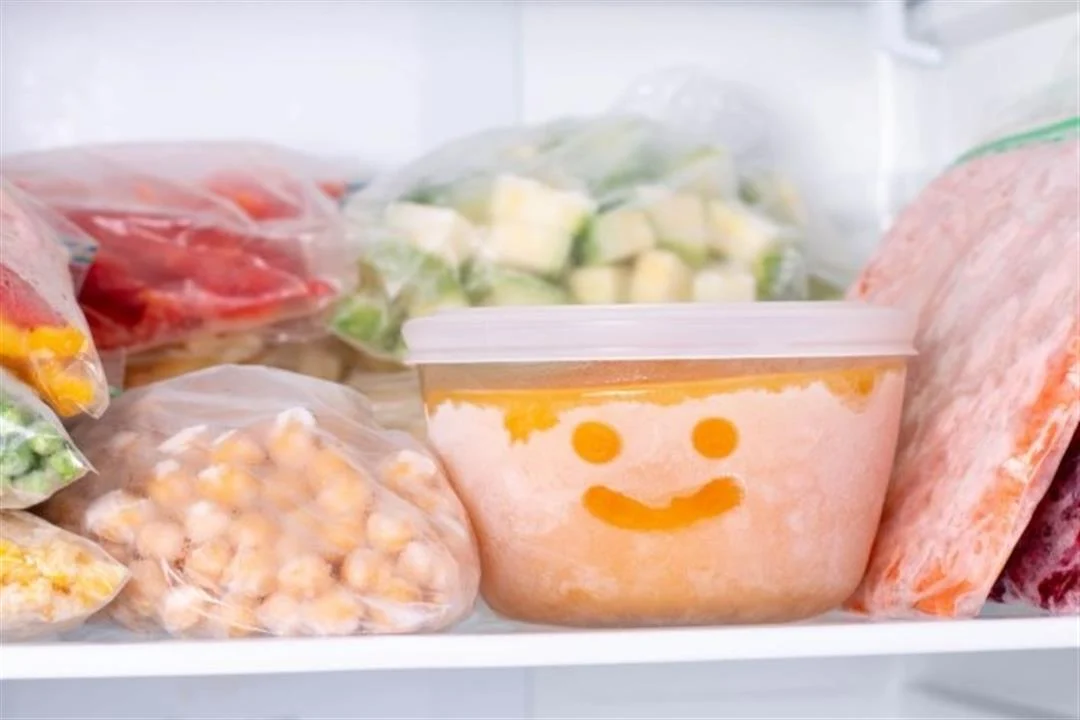
Food safety experts are warning consumers about the dangers of defrosting frozen foods in unsafe conditions. According to a study published on pubmed, defrosting frozen foods at room temperature can lead to the growth of bacteria such as Salmonella, E. coli, and Staphylococcus aureus. The study found that the risk of bacterial growth increases when foods are defrosted at high temperatures or for extended periods.
When frozen foods are left at room temperature, the outer surface begins to thaw quickly, while the center remains frozen. This creates an ideal environment for bacteria to grow, known as the "danger zone." The bacteria that can grow in these conditions include Salmonella, E. coli, Campylobacter, and Listeria. In some cases, cooking the food may not be enough to remove all the risks if bacteria have produced toxins while sitting at unsafe temperatures.
Contrary to popular belief, freezing food does not kill all bacteria. Instead, it slows down the growth and activity of microorganisms. When food begins to thaw, these bacteria can become active again if they find a suitable temperature. According to the fsis.usda, freezing food only pauses the growth of microorganisms, it does not eliminate them entirely.
So, what is the safest way to defrost frozen foods? Experts recommend defrosting foods slowly in the refrigerator at a temperature of around 4°C. This method is considered the safest and helps maintain the quality of the food. It also allows for the food to be re-frozen if it is not used immediately.
For those who need to defrost food quickly, there are other methods that can be used. One method is to submerge the food in cold water, changing the water every 30 minutes. This method is faster than defrosting in the refrigerator but requires constant monitoring. Another method is to use the defrost setting on a microwave, but this should be followed immediately by cooking the food.
There are also common mistakes to avoid when defrosting frozen foods. These include defrosting food in hot water, which can cause the outer surface to heat up quickly and create an ideal environment for bacterial growth. Leaving food out overnight is also a mistake, as the outer layer may have been at an unsafe temperature for several hours.
Finally, it is worth noting that cooking frozen foods directly without defrosting is possible and safe, but it may require a longer cooking time. Some foods, such as burgers, fries, and small pastries, can be cooked from frozen, but it's essential to use a low temperature to prevent the outside from becoming overcooked.
Key points
- Defrosting frozen foods at room temperature can lead to bacterial growth and increase the risk of foodborne illness.
- The safest way to defrost frozen foods is in the refrigerator at a temperature of around 4°C.
- Cooking frozen foods directly without defrosting is possible, but it requires careful attention to cooking time and temperature.