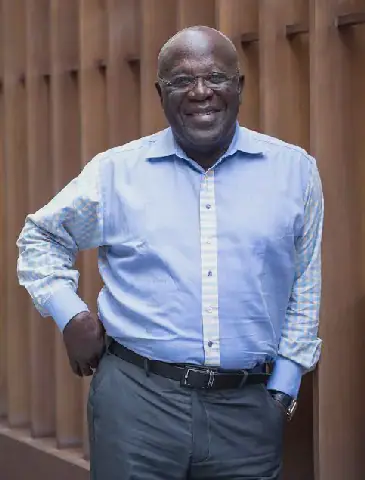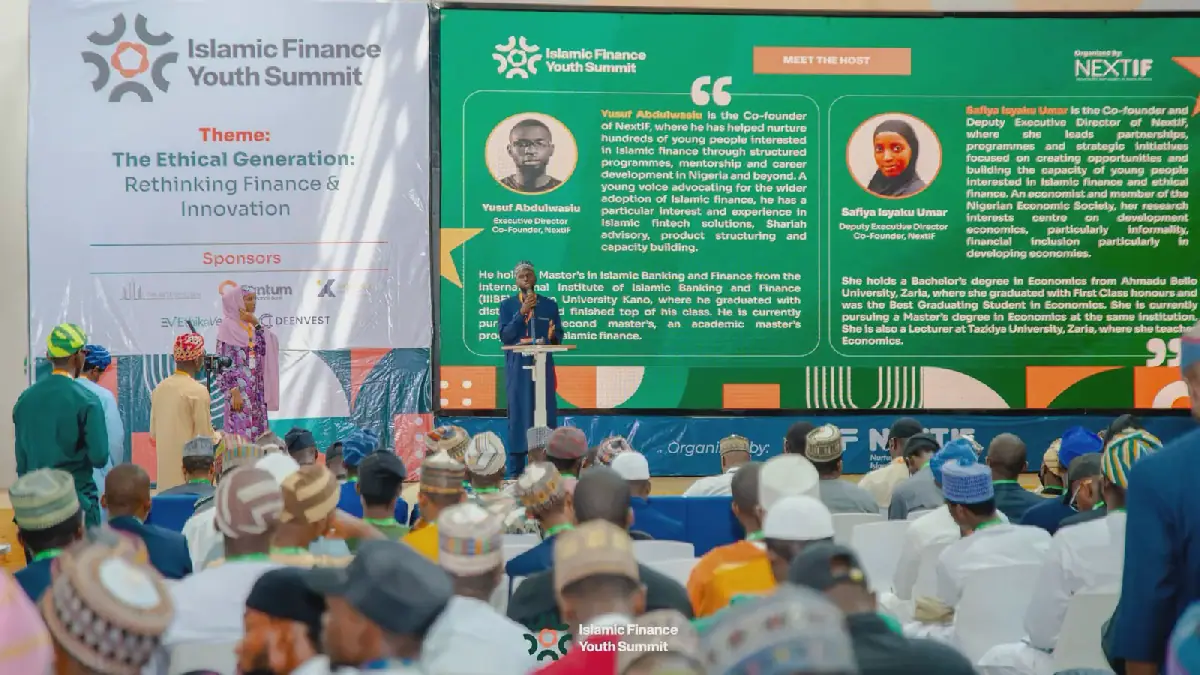
The maiden Islamic Finance Youth Summit in Ilorin, organized by NEXTIF, brought together over 300 participants to discuss opportunities in Islamic finance and the halal economy. The summit, held at the Ilorin Innovation Hub, featured a keynote address by Professor Abdulrazaq AbdulMajeed Alaro, a Professor of Islamic Law at the University of Ilorin. The event aimed to expose young people to Islamic finance and encourage them to embrace technology, ethical investment, and innovation.
The summit's panel sessions examined the current state of Islamic finance in Nigeria, identifying gaps in innovation, regulatory bottlenecks, and public awareness. Dr. Mustapha Amin Ishaq, Director of IEFA, presented an assessment of the Islamic finance ecosystem across nine pillars, acknowledging progress in Nigeria's regulatory arrangements but warning of the need for stronger institutional support. The growing industry requires critical infrastructure to sustain its growth.
Experts highlighted the significant gap between Nigeria's overall banking market and the reach of Islamic financial institutions. With approximately 67.8 million Bank Verification Numbers and over 400 million bank accounts, the country has only six Islamic banking operations, comprising five full-fledged non-interest banks and one Islamic banking window, alongside 12 full-fledged non-interest microfinance banks. However, the number of active Islamic finance accounts could be considerably lower after removing duplicates, inactive, and dormant accounts.
Education and trust remain major challenges to the growth of Islamic finance. Habeeb Gbenle, Co-founder and Chief Executive Officer of Stecs, identified inadequate awareness, education, and trust as major obstacles. He cited his experience selling Takaful products, where he encountered resistance from Muslims due to misconceptions about Islamic insurance. Gbenle called for sustained public education to change perceptions and increase understanding of Islamic finance.
Nurudeen Anthony, Founder of Injaz Advisory, stressed that Shariah compliance must be incorporated from the design stage of financial products. He discussed the proper legal characterization of financial contracts and urged entrepreneurs to examine how platforms raise funds, generate returns, manage risks, and structure transactions. Anthony encouraged founders to involve qualified Islamic scholars from the beginning of product development.
Ridwan Kadiri, Founder and Chief Executive Officer of Ethikavest, identified inadequate technology infrastructure and limited collaboration among Islamic entrepreneurs as major constraints to innovation. He called for shared technology infrastructure that would enable Islamic finance entrepreneurs to build on existing resources rather than independently recreate systems. The panellists agreed that collaboration among Islamic banks, FinTech companies, and Shariah scholars was essential to reducing costs and accelerating innovation.
The discussion also examined the potential of open banking to improve access to financial services, strengthen credit assessment, and reduce barriers. The summit's recommendations emphasized the need for stronger public education, improved digital infrastructure, and industry collaboration to expand Islamic finance in Nigeria. By embracing technology, ethical investment, and innovation, Nigerian youths can play a crucial role in shaping the future of Islamic finance in the country.
Key points
- Experts call for sustained public education to increase understanding and awareness of Islamic finance.
- Collaboration among Islamic banks, FinTech companies, and Shariah scholars is essential to reducing costs and accelerating innovation.
- Open banking has the potential to improve access to financial services, strengthen credit assessment, and reduce barriers.
Reporting sources
- Islamic finance: Experts urge Nigerian youths to embrace technology, halal investment · Muslim News Nigeria