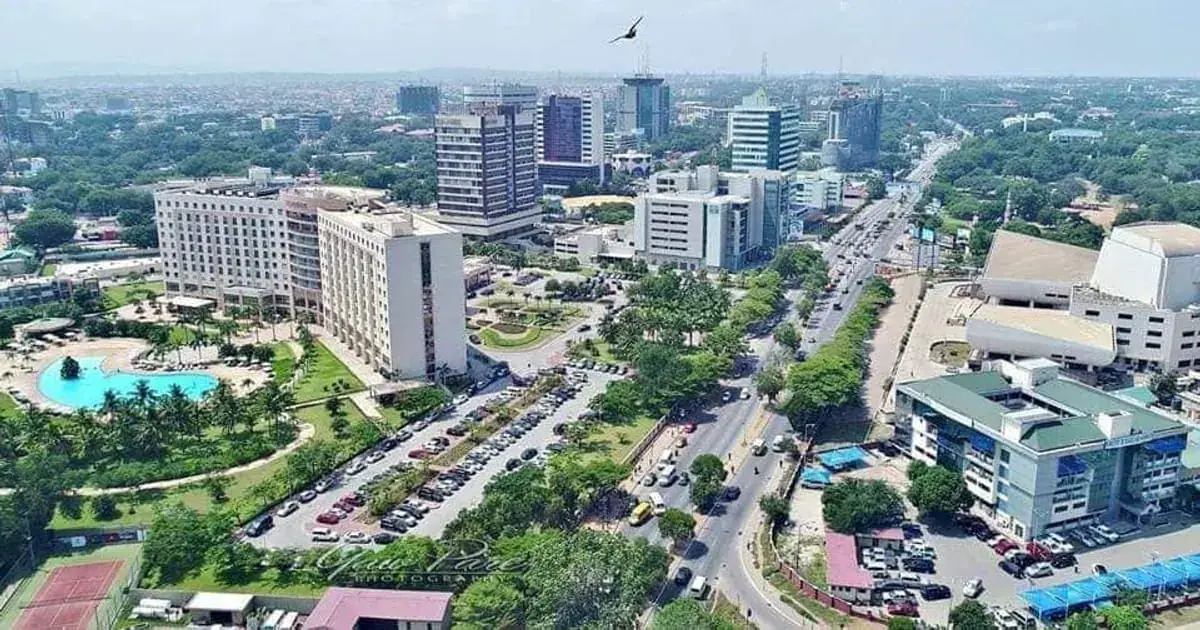
Efforts to sustain recent macroeconomic gains and support long-term industrial transformation in Ghana require intensified deepening of the domestic capital market, strengthened institutions, and policy consistency, according to experts. This advice comes as the country aims to build on its current economic progress. By deepening the domestic capital market, Ghana can mobilize more local savings and investments, reducing its reliance on external funding. A well-developed domestic capital market can also provide a stable source of financing for businesses and industries.
The Ghana Stock Exchange (GSE) is taking steps to expand its offerings by exploring plans to introduce tokenised assets on its trading platform. This move is contingent on regulators finalising guidelines for the virtual asset industry. The GSE insists that adequate safeguards must be in place to protect investors and sustain market confidence. The introduction of tokenised assets is expected to attract new investors and provide more diverse investment opportunities. This development is part of the GSE's efforts to modernize and deepen the domestic capital market.
The government's economic plans, including the US$10billion New Economy programme, require careful consideration of fiscal rules. The government's decision to lower its primary surplus target has created fiscal space for this programme, but public debt has risen to 47.5 percent of Gross Domestic Product (GDP). This increase moves further above the 45 percent debt anchor target to be achieved by 2034. The government must balance its economic growth objectives with prudent fiscal management to ensure long-term sustainability.
Reliable, affordable, and sustainable electricity is critical to Ghana's next phase of industrialisation, according to Chief Executive Officer of Volta River Authority (VRA) Edward Ekow Obeng-Kenzo. The country's energy infrastructure quality is expected to shape investment, manufacturing growth, and job creation. A stable energy supply will be essential for businesses to operate efficiently and for the economy to grow. The VRA and other stakeholders must work together to address the country's energy challenges and ensure a reliable supply of electricity.
The fifth Ghana CEO Vision and Awards gala in Accra honoured 39 corporate leaders, recognising their contributions to the country's economy. Chief Executive Officers (CEOs) and business leaders were urged to turn Ghana's improving economic conditions into opportunities for industrial growth, job creation, and increased investment. The event celebrated the achievements of business leaders and encouraged them to continue playing a vital role in driving economic growth. By promoting entrepreneurship and investment, Ghana can create more jobs and stimulate economic development.
The government is seeking to reserve a bigger stake in the mining contracting industry for indigenous businesses. Proposed reforms target at least 50 percent Ghanaian ownership in companies undertaking surface and underground contract mining. This move aims to increase local participation in the mining sector and ensure that the country's natural resources benefit the local economy. By promoting local ownership, the government can create more jobs and stimulate economic growth in the mining sector.
The Africa Energy Technology Centre (AETC) has paid a courtesy visit to the Ministry of Youth Development and Empowerment to strengthen institutional collaboration and explore strategic opportunities to support youth development. This partnership aims to promote youth development and empower young people to contribute to Ghana's economic growth. By supporting youth development, Ghana can tap into the energy and creativity of its young people and drive economic growth and innovation.
Key points
- Experts urge Ghana to deepen its domestic capital market to sustain economic gains.
- The government aims to increase local participation in the mining sector.
- Reliable electricity is critical to Ghana's next phase of industrialisation.
Reporting sources
- Business | November 16, 2026 Deepen domestic capital market to sustain economic gains – experts · Business and Financial Times