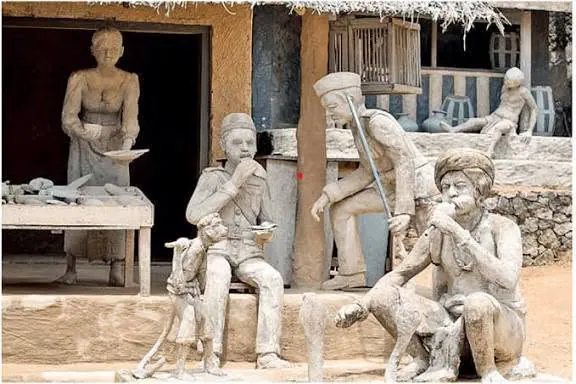
In the Irepodun Local Government Area of Kwara State, Nigeria, over 1,000 soapstone images have stood for generations, preserving clues to an ancient civilisation. The figures, depicting various individuals, have made Esie one of Nigeria's most significant archaeological and cultural heritage sites. Despite decades of study, many questions about the sculptures remain unanswered. Historians, archaeologists, and conservation experts are now urging fresh multidisciplinary research and greater investment in the heritage site.
The National Commission for Museums and Monuments records Esie Museum as Nigeria's first museum, established in 1945 to preserve the unusual collection. The museum is home to a vast array of soapstone figures, showcasing elaborate hairstyles, clothing, ornaments, facial marks, and postures. These details offer rare evidence of the social, political, and artistic life of a sophisticated precolonial West African society.
Scholars have been trying to unravel the mystery surrounding the Esie sculptures, but many questions remain. Who created these figures? When were they carved? Why were they assembled at Esie? The exact dates and cultural origins of the sculptures also remain uncertain. Some estimates place their production between the 12th and 15th centuries.
The Metropolitan Museum of Art describes the Esie sculptures as a collection of more than 1,000 soapstone figures. The level of detail on the sculptures suggests a high degree of craftsmanship and artistic skill. The figures depict men, women, children, royalty, soldiers, hunters, craftsmen, and other individuals, providing a glimpse into the lives of people from a bygone era.
Experts stress the need for fresh research and preservation efforts to protect the Esie sculptures. The physical preservation of the sculptures is a significant concern, as they have withstood the test of time but may not survive for generations to come without proper care. A multidisciplinary approach, incorporating various fields of study, is necessary to unravel the secrets of the Esie sculptures.
The Esie Museum is a significant cultural heritage site in Nigeria, attracting visitors and scholars interested in learning more about the country's rich history. The museum's establishment in 1945 marked a crucial step in preserving Nigeria's cultural heritage. Continued investment and research will help ensure the long-term preservation of the Esie sculptures and provide a deeper understanding of Nigeria's ancient civilisations.
The call for fresh research and preservation efforts highlights the importance of protecting Nigeria's cultural heritage. The Esie sculptures are an invaluable part of the country's history, and it is essential to ensure their preservation for future generations. Key initiatives will focus on multidisciplinary research, conservation, and education, ultimately contributing to a better understanding and appreciation of Nigeria's rich cultural heritage.
Key points
- The Esie Museum is home to over 1,000 soapstone figures, providing rare evidence of the social, political, and artistic life of a sophisticated precolonial West African society.
- Despite decades of study, many questions about the Esie sculptures remain unanswered, prompting experts to call for fresh multidisciplinary research.
- The physical preservation of the sculptures is a significant concern, requiring continued investment and conservation efforts to protect Nigeria's cultural heritage.