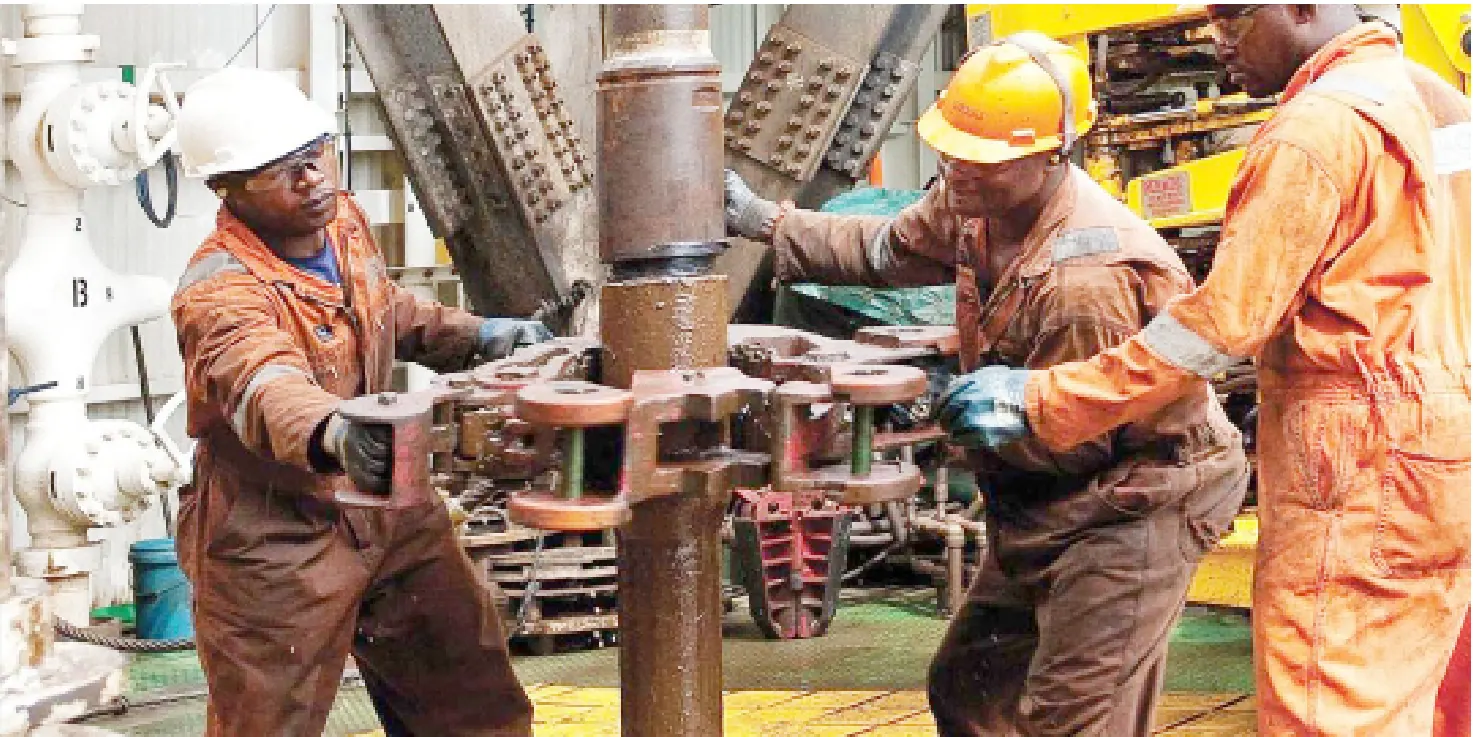
Nigeria's external reserves have surged to nearly $55 billion, driven by a significant increase in crude oil production and earnings. The country's forex reserves have been boosted by petrodollar inflows, providing the economy with stronger footings against global shocks. The Federal Government's appointment of Tantita Security Services Nigeria Limited (TSSNL) to protect oil pipelines and assets has ensured peace and stability in the Niger Delta region, leading to a substantial increase in crude oil prices and earnings.
The operations of TSSNL have been instrumental in bolstering oil production, sustaining peace and stability in the Niger Delta region, and boosting accretion to external reserves. Economists predict that Nigeria's external reserves are set to hit the $55 billion mark, driven by increased earnings from crude oil exports. The country's external reserves crossed $54.8 billion on September 22, representing a $20 million gap to hit the $55 billion mark.
President Bola Ahmed Tinubu appointed TSSNL, led by High Chief, Dr. Government Oweizide Ekpemupolo, alias Tompolo, due to their trust and track-record of success in achieving peace and stability in the Niger Delta region. The TSSNL operations have transformed the oil and gas landscape, allowing Nigeria to expand oil production quota and significantly cut rampant oil theft. Stakeholders advocate for continued collaboration with TSSNL, emphasizing the imperative of securing oil infrastructure for sustainable development.
According to data from the Central Bank of Nigeria (CBN) website, the current reserves position is far higher than CBN's projected $51.04 billion year-end target and will cover over 13 months of imports for the economy. The reserves also provide the CBN with the capacity to support the local currency and meet external obligations. The liquid portion of the external reserves stood at $54.08 billion, with the reserves starting at $49.80 billion in June 2026 and crossing the $50 billion mark by June 5.
The sustained increase in external reserves reflects stronger foreign exchange inflows and improved liquidity conditions in the country's external sector. Nigeria's exports to Africa, ECOWAS member states, accounted for N3.75 trillion, representing 56.39 per cent. India was Nigeria's leading individual export destination during the quarter, receiving goods valued at N3.29 trillion, equivalent to 12.17 per cent of total exports. The strong export performance, especially the N12.91 trillion export earnings in the second quarter, showed that Nigeria maintained a sizeable merchandise trade surplus during the quarter.
With Brent crude trading above $99.63 per barrel, well above Nigeria's 2026 federal budget benchmark of $64.85, the current rally in global oil prices is expected to strengthen the country's fiscal revenues, foreign exchange reserves, and exchange rate stability. Analysts predict that if tensions continue to escalate into a full-scale conflict disrupting the Strait of Hormuz, Brent prices could rise far beyond $100 per barrel. Higher oil prices typically strengthen Nigeria's current account balance, improve foreign exchange liquidity, and export proceeds.
The International Monetary Fund (IMF) has predicted significant recovery in Nigeria's Balance of Payment (BoP) following the ongoing surge in crude oil prices. The Director of the Communications Department at the IMF, Ms. Julie Kozack, stated that oil exporters may witness improvement in balance of payments because of higher oil prices.
Key points
- Nigeria's external reserves have surged to nearly $55 billion, driven by increased crude oil production and earnings.
- The country's forex reserves have been boosted by petrodollar inflows, providing the economy with stronger footings against global shocks.
- The operations of TSSNL have been instrumental in bolstering oil production, sustaining peace and stability in the Niger Delta region, and boosting accretion to external reserves.