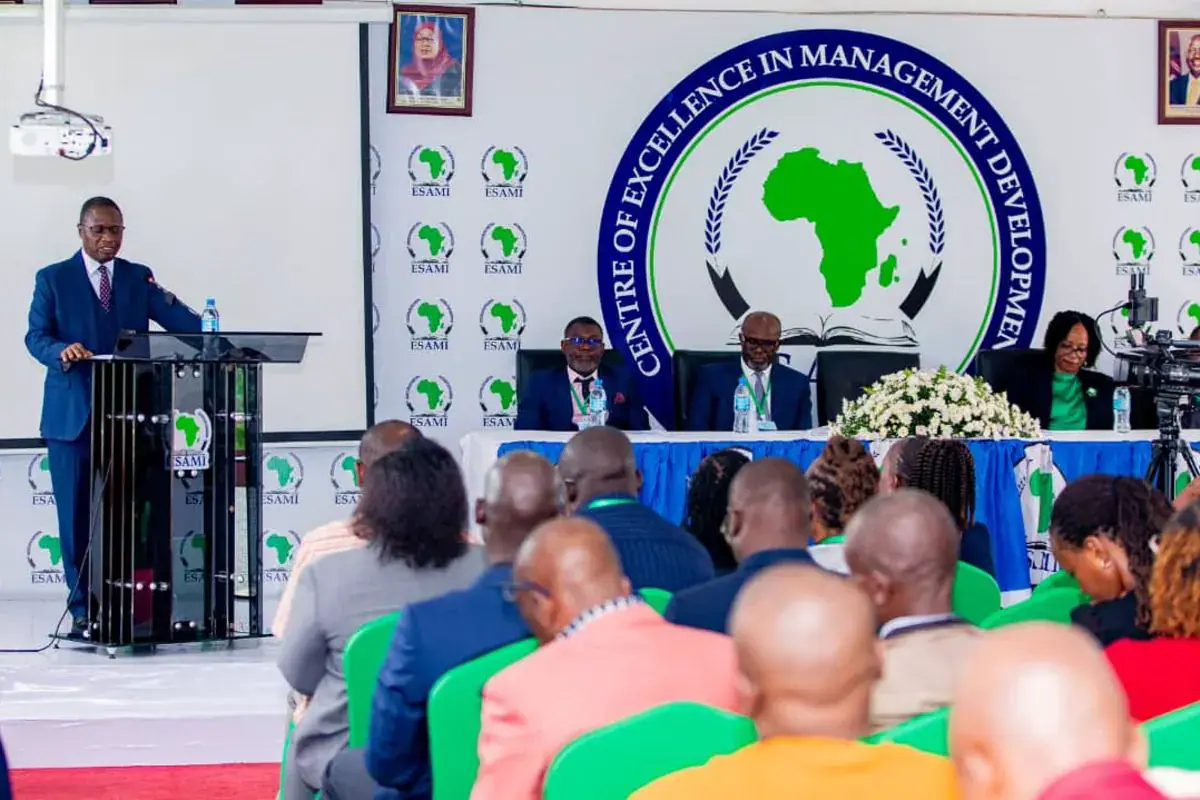
Experts gathered at the Second Eastern and Southern African Management Institute (ESAMI) Global Research Colloquium 2026 in Arusha, Tanzania, have emphasized the need for African countries to invest in home-grown artificial intelligence (AI) and digital infrastructure. This, they argue, will enable the continent to reduce its reliance on foreign technologies and turn AI into an engine of economic growth. The colloquium, which took place from November 25-27, brought together 500 participants from 40 countries to discuss research and innovation.
According to Prof Frank Sackey, a lecturer at Ghana Communication Technology University, Africa must move beyond adopting imported AI solutions and develop technologies that address its own priorities. He stressed the importance of locally led research, computing infrastructure, quality datasets, and specialized expertise to ensure AI reflects African realities. Sackey also emphasized the need for African researchers, institutions, businesses, and governments to lead the development and use of AI, embracing the concept of "AI for Africa, by Africa and with Africa".
Prof Sackey warned that systems trained mainly on foreign data could misrepresent African societies, languages, and economic conditions, reinforcing bias and limiting the continent's influence over technologies. He argued that African-owned AI could support solutions tailored to local needs, such as precision farming, disease diagnosis, and weather forecasting. Partnerships between technology companies, start-ups, industries, and universities would help turn research into marketable products.
ESAMI director general, Prof Peter Kiuluku, called for increased research funding and strengthened knowledge-production systems. He noted that Africa accounts for about two percent of global research output, while its research and development spending remains below one percent of worldwide expenditure. Kiuluku emphasized that national wealth increasingly depends on generating knowledge and turning discoveries into valuable goods and services, rather than relying solely on natural resources.
Kiuluku also warned that importing technology while exporting raw materials would prevent the continent from building competitive industries. He called for collaboration among universities, governments, and businesses, as well as stronger intellectual property protection to help researchers patent discoveries, develop prototypes, and take innovations to market. This, he believes, will enable Africa to build competitive industries and drive economic growth.
ESAMI director of research and management consultancy, Dr Henry Waruhiu, identified inadequate funding and weak collaboration as major challenges facing Africa's research and innovation efforts. He noted that the continent's challenge is not a shortage of experts but rather a lack of funding and collaboration, which leaves research findings in journals instead of turning them into practical solutions. Waruhiu emphasized the need for sustainable financing, partnerships, modern infrastructure, and commercialization.
The experts at the colloquium prioritized sustainable financing, partnerships, modern infrastructure, AI, and commercialization. They called for funding to involve governments, regional institutions, development organizations, and businesses, rather than depending largely on short-term donor projects. By investing in home-grown AI and digital infrastructure, African countries can drive economic growth, build competitive industries, and improve the lives of their citizens.
Key points
- African countries must invest in local AI research and digital infrastructure to reduce reliance on foreign technologies and drive economic growth.
- Experts emphasize the need for locally led research, computing infrastructure, quality datasets, and specialized expertise to ensure AI reflects African realities.
- Partnerships between technology companies, start-ups, industries, and universities will help turn research into marketable products, including tools for precision farming, disease diagnosis, and weather forecasting.
Reporting sources
- How Africa can turn AI into an engine of economic growth · The Citizen