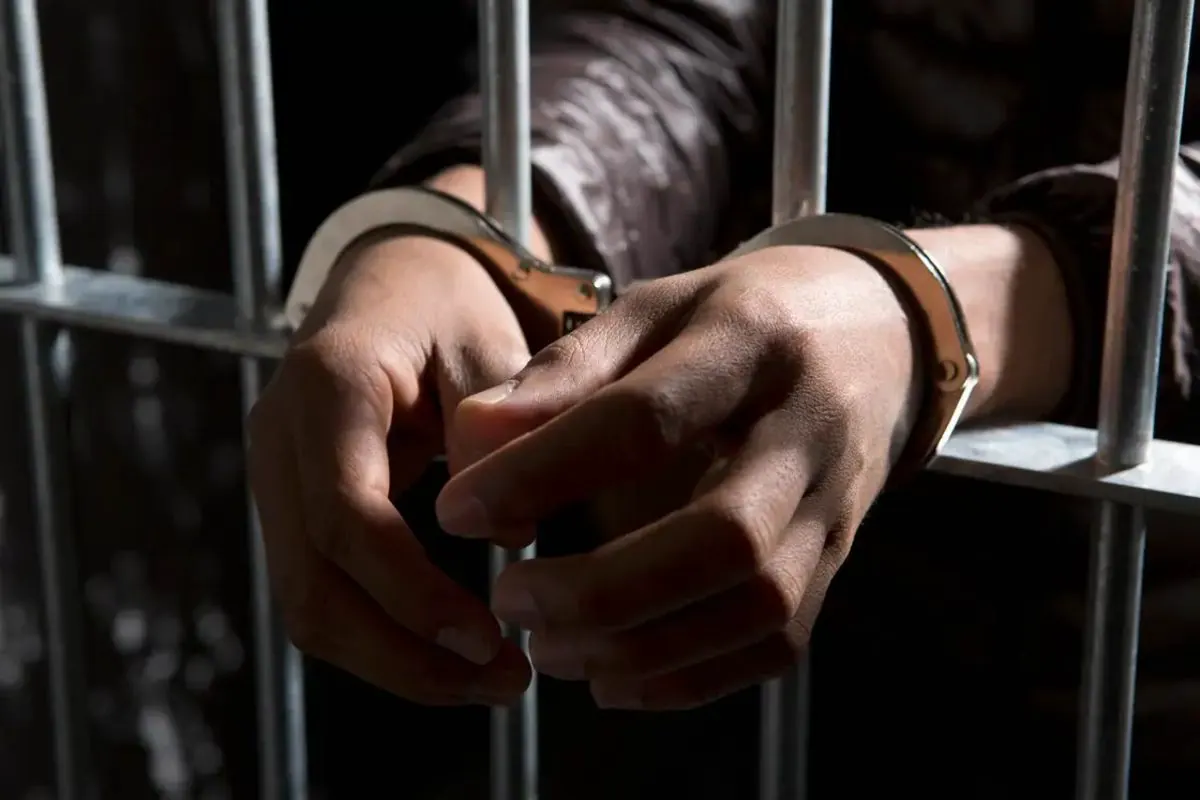
The number of children behind bars in Tanzania has increased, with 111 convicted prisoners under the age of 18 recorded in 2025, accounting for 0.6 percent of the 19,646 convicted prisoners that year. This represents a rise from 92 children, or 0.5 percent, among 18,962 convicted prisoners in 2024. The statistics also show that 166 children under 18 were in the prison system in 2023, although it is unclear if this figure covers the same category of convicted prisoners.
Experts point to poverty, family breakdown, inadequate parental supervision, peer pressure and gaps in social protection as factors that can expose children to offending. Tanganyika Law Society (TLS) president Boniface Mwabukusi said the figures should prompt a broader review of the country's approach to juvenile justice, arguing that imprisonment should not be the primary response when children commit offences. He emphasized that imprisonment often marks the beginning of further difficulties in a child's life.
Advocate Mwabukusi recommended greater use of mediation, counselling, probation, community service and other rehabilitation programmes where appropriate. He also stressed the importance of early legal aid, prompt hearings and care in environments that protect the dignity, education and mental wellbeing of children in detention. According to him, authorities should examine the circumstances that lead children into the criminal justice system, including whether they had received adequate upbringing, education and protection.
Human rights advocate Loserian Kasale called for prevention to begin long before a child enters the justice system. He suggested that human rights education from an early age through university could help young people understand their responsibilities and respect the rights of others. Kasale also linked juvenile offending to poverty and unstable family environments, saying some children living on the streets or in broken families lacked adequate care and protection.
Public administration and security expert Dr Jesse Mashimi attributed juvenile offending to weakening family and community structures, including parental neglect and household conflicts. He also cited poverty, unemployment and gaps in social services as factors that increase the risks, particularly for homeless children and orphans without adequate social protection. Dr Mashimi called for greater government investment in child and youth protection, job creation and social welfare.
Psychologist and Mental Health Tanzania founder Onesmo Petro said youth involvement in crime was influenced by a combination of psychological and environmental factors, including peer pressure, family disruption, poverty and lack of education. He called for responses centred on professional guidance, supportive parenting and rehabilitation rather than relying primarily on punishment. Petro emphasized the need for early intervention and collective responsibility from parents, schools and the wider community.
Other experts, including Dr Anna Henga of the Legal and Human Rights Centre, Ms Edwick Mapalala of the Regional Psychosocial Support Initiative, and Advocate Mwabukusi, emphasized the need for a comprehensive approach to addressing juvenile offending. They called for stronger implementation of Tanzania's child protection framework, increased resources for social welfare officers and continuous positive parenting programmes, as well as greater support for income-generating activities among vulnerable households and appropriate juvenile justice mechanisms.
Key points
- The number of children behind bars in Tanzania has increased, with 111 convicted prisoners under 18 recorded in 2025.
- Experts cite poverty, family breakdown and inadequate parental supervision as factors contributing to juvenile offending.
- Advocates call for greater use of rehabilitation and alternatives to imprisonment, as well as stronger implementation of Tanzania's child protection framework.