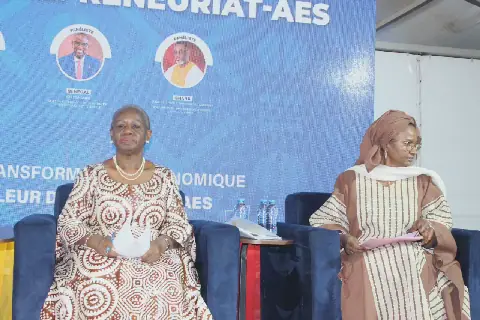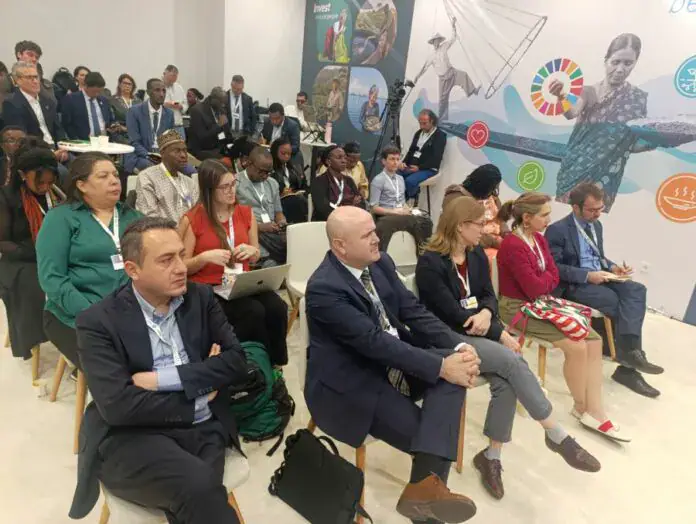
On the sidelines of COP31 climate negotiations, the Food and Agriculture Organization (FAO) and the Consultative Group on International Agricultural Research (CGIAR) hosted a panel discussion on "building a just transition: from COP commitments to country action" in Antalya, Turkey. The event, held on November 18, 2026, focused on African perspectives for a just transition. Experts highlighted the significance of integrating African food systems into climate change solutions.
The impact of climate change on food systems is a pressing concern, and experts stress that solutions must prioritize resilience for vulnerable populations. Dr. Million Belay, Coordinator General of the Alliance for Food Sovereignty in Africa (AFSA), emphasized the need to address key questions: who pays for the transition, who controls seeds and food systems, and how to improve people's well-being. He advocates for agroecology as a solution, citing its potential to enhance resilience, restore soils, and promote sustainable agriculture.
Agroecology is recognized for its inclusive approach, which empowers producers, women, and young people, while valuing indigenous knowledge. Dr. Belay outlined AFSA's four priorities for a just transition: recognizing agroecology as a major solution, integrating it into national contributions, securing funding for farmers, and ensuring accountability and transparency in implementation. These priorities aim to support a just transition that benefits African communities.
Philip Kilonzo, Policy, Advocacy, and Communication Officer at the Panafrican Climate Justice Alliance (PACJA), emphasized that a just transition cannot be achieved without adaptation and financing. He stressed that Africa's priority is to fund productive investments that protect jobs and citizens. Kilonzo expressed concern that the European Union has not taken into account the proposals of African small-scale producers, highlighting the need for a more equitable approach.
The discussion also touched on the challenges faced by African countries in implementing a just transition. Imelda Kanzomba, representing Uganda's Ministry of Agriculture, highlighted the difficulties faced by her country's agricultural sector, including climate vulnerability, post-harvest losses, and limited access to seeds, financing, and land. She mentioned initiatives aimed at creating green jobs and improving infrastructure for producers.
Elizabeth Nsimadala, President of East African producers, noted the disconnect between policymakers' rhetoric and the realities faced by African farmers. She raised concerns about the costs associated with transitioning to new production methods, questioning who bears the costs and how to finance such changes. Nsimadala called for a gradual approach, emphasizing the need to consider small-scale producers as partners rather than beneficiaries.
The experts' discussions underscored the importance of addressing the complexities of a just transition in Africa. The need for sustainable food systems, climate resilience, and inclusive approaches was emphasized. As COP31 continues, African perspectives on a just transition will play a crucial role in shaping the continent's climate policies and actions.
Key points
- Experts emphasize the need for sustainable food systems and climate resilience in Africa's just transition.
- Agroecology is recognized as a key solution for promoting sustainable agriculture and enhancing resilience.
- Financing and adaptation are crucial for a just transition in Africa.