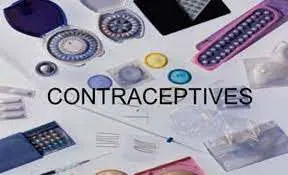
Nigeria's contraceptive prevalence remains low, at about 15 percent nationally, with significant disparities in access to reproductive healthcare services. Experts warn that merely stocking health facilities with contraceptives is insufficient to address the country's family planning challenges. According to Dr. Moriam Jagun, Executive Director of the Centre for Bridging Health Gaps, the real issue lies in ensuring that women and girls can access and make informed choices about contraceptives.
Misconceptions and misinformation about contraceptives remain major barriers to their uptake in Nigeria. Fears that contraceptives could cause infertility, cancer, excessive bleeding, and other health problems discourage many women from using them. Dr. Jagun emphasizes that such concerns should not be dismissed as myths but addressed through honest counseling and evidence-based information. This approach would enable women to make informed decisions about their reproductive health.
Cultural and religious misconceptions also play a significant role in limiting access to contraceptives. Dr. Jagun challenges the notion that Islam or Catholicism is opposed to family planning, stressing that accurate information can counter these misconceptions. She urges the media and health stakeholders to provide evidence-based information to enable women to make informed choices about their reproductive health.
The availability of contraceptives at health facilities does not necessarily translate into access. Women may still face significant barriers, including cost, distance, stigma, provider attitudes, or lack of information. Dr. Jagun emphasizes that healthcare providers should prioritize clients' needs, providing them with accurate information and supporting their reproductive choices rather than imposing personal beliefs or biases.
Experts stress that a broader approach to family planning is needed, one that goes beyond merely stocking health facilities with contraceptives. This approach must address the financial, geographical, informational, cultural, and social barriers that prevent women from accessing and freely choosing contraceptives. Mrs. Alu Azege, Executive Director of Media, Health and Rights Initiative of Nigeria, notes that genuine access requires information, options, privacy, affordability, respectful counseling, and freedom from pressure or judgment.
The media plays a crucial role in reproductive health communication, particularly as young people increasingly rely on social media for information. Mrs. Azege emphasizes that traditional media should complement social media by verifying information, debunking myths, amplifying young people's concerns, and holding authorities accountable for gaps in service delivery. Artificial intelligence also presents both opportunities and risks in this context, as it can expand access to personalized reproductive health information but also spread bias and misinformation.
Ultimately, experts agree that every Nigerian woman and girl should have access to safe contraception and the ability to decide if, when, and how often to have children. Contraceptive access can prevent unintended pregnancies, improve maternal and child health, and enable women to pursue education, careers, and greater participation in public life. By addressing the various barriers to contraceptive access, Nigeria can make significant strides in improving the reproductive health and well-being of its women and girls.
Key points
- Contraceptive prevalence in Nigeria remains low, at about 15 percent nationally.
- Experts identify cost, distance, misinformation, stigma, and cultural and religious misconceptions as major barriers to contraceptive access.
- A broader approach to family planning is needed, addressing financial, geographical, informational, cultural, and social barriers.