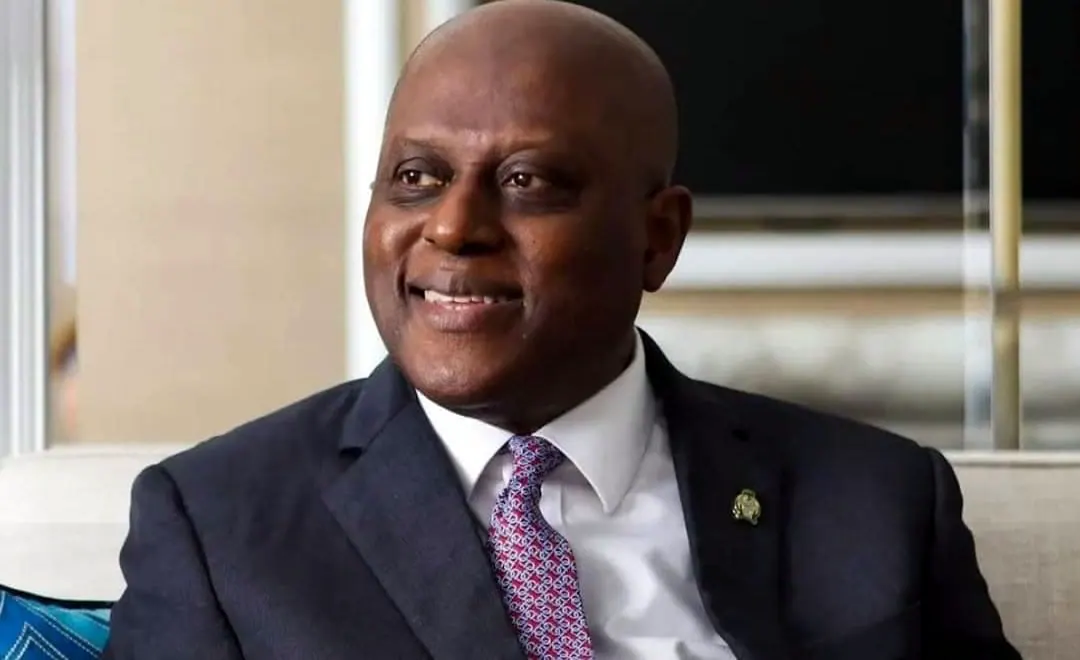
Economic experts have commended the reforms introduced by Central Bank of Nigeria (CBN) Governor, Mr. Olayemi Cardoso, for repositioning the nation's economy on a path of sustainable growth. The experts, in separate interviews with the Nigerian Tribune in Abuja, noted that Cardoso's focus on orthodox monetary policy has restored credibility to the apex bank and reversed macroeconomic instability. They also praised the CBN's efforts in building robust external buffers.
According to economic expert and financial services consultant, Mr. Eric Igulla, the CBN governor successfully unified the country's multiple exchange rate windows, cleared the $7 billion inherited foreign exchange backlog, and established an open, electronic market-driven matching framework. Igulla also commended the Cardoso administration for the ongoing banking sector recapitalization exercise, describing it as a massive overhaul that has raised over N4.65 trillion in fresh capital.
The CBN's reforms have also led to a significant decrease in headline inflation, which has dropped to its lowest levels in three years. The apex bank disclosed that far-reaching foreign exchange market reforms have been implemented to enhance transparency and stability. These reforms include the 2026 Bureau De Change (BDC) market reforms, which have given licensed BDCs structured access to foreign exchange through authorized dealer banks.
Another expert, Mr. Moses Epelle of Suraj Enterprises, noted that the recognition of the CBN as Central Bank of the Year by the Central Banking International publication and the Distinguished Organisation Award by the Nigerian Economic Society (NES) are indications that the governor is on the right track. Epelle applauded the CBN for the definitive cessation of the controversial Ways and Means financing, a practice that had previously flooded the economy with trillions in unauthorized currency and stoked inflation.
The CBN's reforms have also led to a significant increase in Nigeria's external reserves, which have comfortably crossed the $50 billion threshold, offering immense import cover. Driven by a transparent framework and a spike in diaspora remittances, nearing $1 billion monthly by mid-2026, the country's external reserves have re-anchored global trust. Global rating bodies like Fitch, Moody's, and S&P have upgraded Nigeria's credit ratings and economic outlooks due to macroeconomic resilience.
Analysts also cited the Payments System Vision 2028 as a strategic roadmap anchored on Interoperability, Security, Inclusion, Innovation, Trust, and Collaboration, positioning Nigeria's payments system for a more secure, inclusive, and globally integrated digital economy. The Revised Agent Banking Guidelines have resulted in stronger consumer protection, agent oversight, transaction controls, geo-location requirements, and sanctions.
The CBN's reforms have put the Nigerian economy firmly on the path of growth in the coming months. The new cash-withdrawal thresholds introduced, alongside the removal of restrictions and charges on cash deposits, have supported more efficient cash management and digital payment adoption in the country. The apex bank also launched a Faster Anti-Fraud Response, directing banks to strengthen rapid-response mechanisms for electronic fraud.
Key points
- The CBN's reforms have restored credibility to the apex bank and reversed macroeconomic instability.
- Nigeria's external reserves have crossed the $50 billion threshold, offering immense import cover.
- The CBN's reforms have put the Nigerian economy firmly on the path of growth in the coming months.