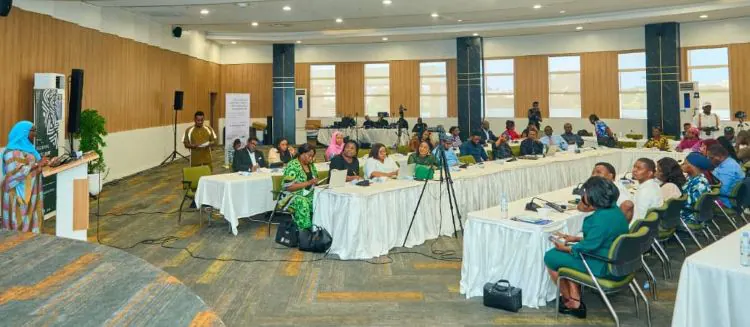
Health experts, civil society advocates, international leaders, and media professionals across Nigeria's early childhood sector are demanding urgent, cross-sectoral investment to address a looming human capital crisis. They noted that more than half of the country's under-five population is currently failing to meet basic developmental milestones. This call was made during a national consultation workshop in Abuja, organized under the World Bank's Early Childhood Development (ECD) Inception Mission.
According to data presented at the summit, only 47.7 percent of Nigerian children under five are developing on track, with severe gaps reported in early literacy, numeracy, and executive functioning skills. With an estimated 38 million children in this age bracket, experts warn that inaction threatens the economic productivity of the nation's future workforce. The data indicates a significant gap in the development of Nigerian children, emphasizing the need for immediate action.
A Neurodevelopmental Paediatrician at Obafemi Awolowo University, Ile-Ife, Prof. Oluwatosin Olorunmeteri, stressed that the first five years of life are critical for brain architecture and skill acquisition. She noted that the quality of care and experiences children receive during this period significantly shapes their capacity to learn and develop later in life. Exposure to hunger, violence, neglect, and toxic stress inflicts lasting damage on cognitive development.
Prof. Olorunmeteri identified five non-negotiable pillars for early growth: good health, adequate nutrition, responsive caregiving, safety, and early learning opportunities. These pillars are essential for the overall development of children and must be prioritized in any investment in early childhood development. By focusing on these areas, Nigeria can ensure that its children have a strong foundation for future success.
The National Coordinator of the Open Government Partnership (OGP), Dr. Gloria Ahmed, urged policymakers to treat early childhood intervention as an economic imperative rather than a discretionary welfare program. She emphasized that early childhood development is a critical foundation for the future of every nation and an investment in human capital development. Dr. Ahmed called for multi-agency coordination across health, education, and social protection sectors.
Dr. Ahmed also stressed the need for transparent budgeting and social accountability enforced by civil society groups. This would ensure that investments in early childhood development are effective and sustainable. The World Bank Task Team Leader for Early Childhood, Dr. Ritgak Tilley-Gyado, noted that Nigeria's demographic profile requires a synchronized "all-of-society" approach spanning all four tiers of government, private enterprise, and community networks.
The consultation concluded with a joint commitment among government leaders, international partners, and civil society advocates to establish an integrated monitoring mechanism to track early childhood funding and service delivery across Nigeria. This commitment is a significant step towards ensuring that investments in early childhood development are monitored and evaluated for effectiveness.
Key points
- Experts warn that inaction on early childhood development threatens the economic productivity of Nigeria's future workforce.