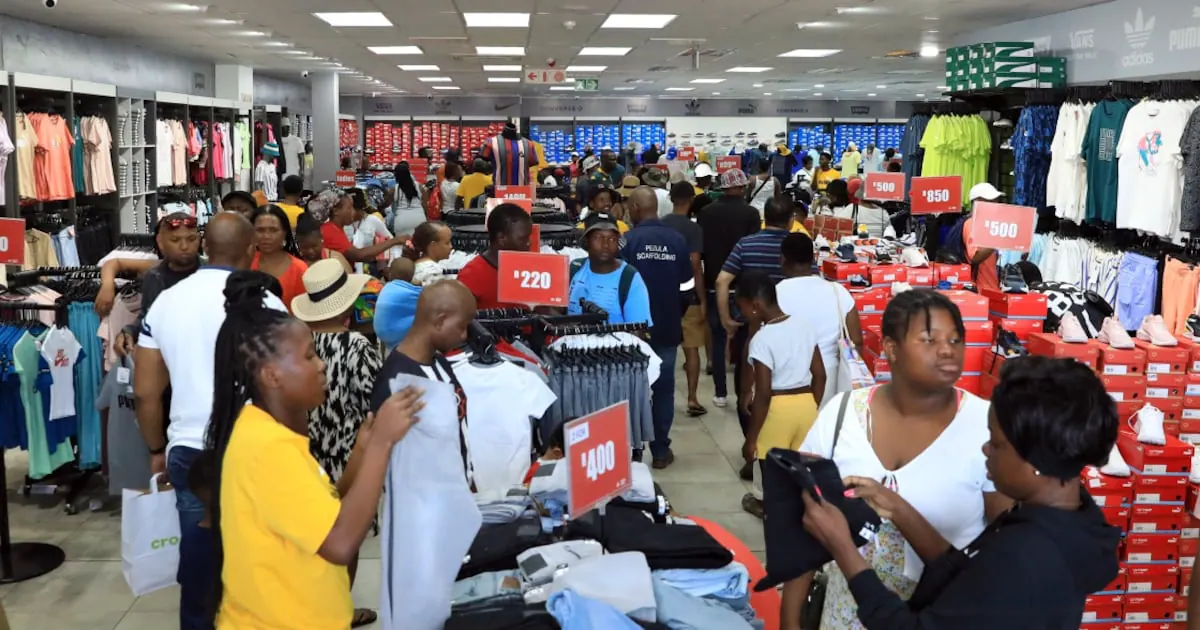
As Black Friday approaches, South Africans are being advised to start tracking prices of goods they intend to buy to avoid overspending. According to Hendri Van Dyke, an independent professional consultant at My Mulah, shoppers should not wait for November sales to appear before making a decision. Black Friday falls on 27 November, and waiting until then to decide what counts as a good deal could lead to poor purchasing decisions. Van Dyke emphasizes that Black Friday should be an opportunity to pay less for something you already want or need, not a reason to buy something you hadn't planned to have.
The advice comes after South Africans spent a record R148 billion in retail during November 2025, with spending on household furniture, electronics, and appliances up 8.9% year-on-year. Van Dyke suggests that shoppers can use the months ahead of Black Friday to track prices and create their own price history for items they are seriously considering buying. By doing so, they can ensure they are comparing the same product later and avoid getting carried away by discounts. This approach is particularly useful for products with multiple similar versions, such as electronics and appliances.
To effectively track prices, Van Dyke recommends that shoppers take screenshots of the product, including the price, exact model, and size, and keep them somewhere easily accessible. They should then check the prices every few weeks to monitor any changes. When November arrives, shoppers will have a record of what the item actually cost before the Black Friday discounts started. This approach enables shoppers to make informed decisions and avoid buying something they may not need.
Another key strategy is to decide in advance what a product is actually worth to you. Van Dyke advises shoppers to set a budget and write it down in September. This will help them avoid getting carried away by big percentage discounts and ensure they stay within their budget. For instance, if a shopper has decided that R5,000 is the most they want to spend on an item, they should not let a discounted price of R7,000 change their budget if they wouldn't have paid R7,000 for the item before the sale.
Van Dyke also emphasizes the importance of asking oneself whether you would still buy the item if it weren't on sale. If the answer is no, it's best to take it off your list. Black Friday should be an opportunity to pay less for something you already want or need, not a reason to buy something you hadn't planned to have. By being mindful of your spending habits and priorities, shoppers can make the most of Black Friday and avoid impulse purchases.
To prepare for the big shopping weekend, Van Dyke recommends that shoppers start saving in September. This will give them time to build a dedicated Black Friday pot rather than finding the money at the last minute. With Black Friday spending now stretching beyond a single day, research from the 2025 shopping period found that retailers and shoppers were increasingly treating November as a longer 'Black November', with discounts and spending spread across the month.
By starting to track prices and plan now, shoppers can work out what they actually want, what they're prepared to pay, and whether they'll have the money available. When the deals start appearing, they'll be able to check them against their own numbers instead of letting the discount decide for them. This approach will enable shoppers to make informed decisions and make the most of Black Friday.
Key points
- Shoppers should start tracking prices now to ensure they get genuine deals on Black Friday.
- Decide in advance what a product is actually worth to you and stick to your budget.
- Ask yourself whether you would still buy the item if it weren't on sale to avoid impulse purchases.