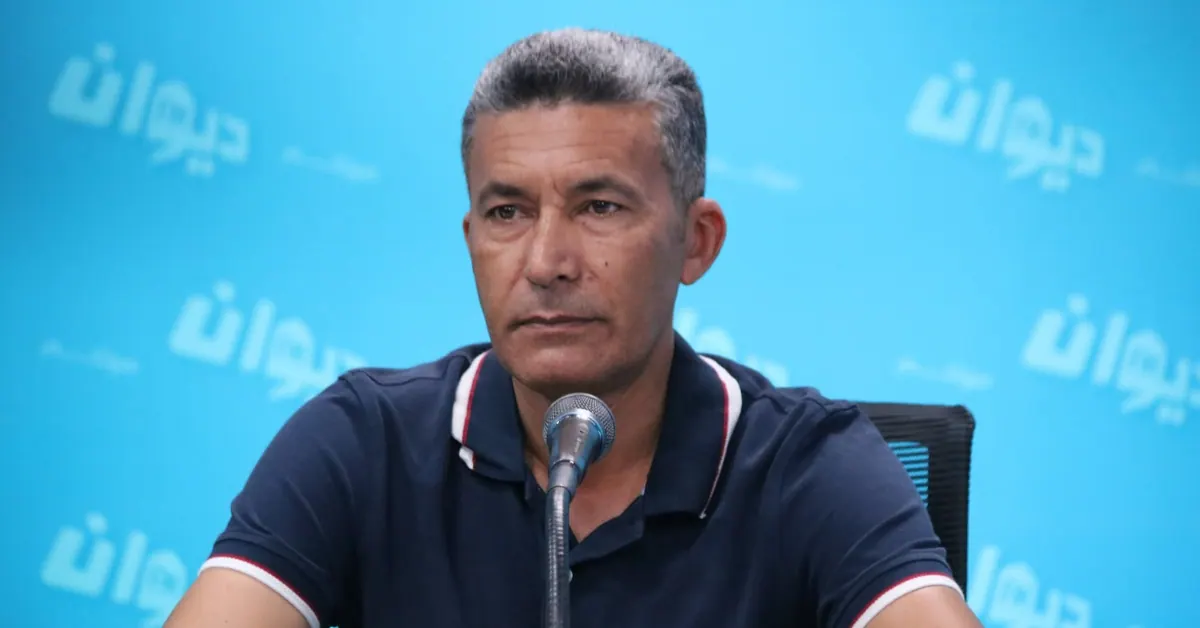
The implementation of Tunisia's 2026-2030 development plan has begun, with several projects included in the 2026 finance law, according to Ehab Ben Salem, an expert in sustainable development. This occurred before the plan's official approval. Ben Salem highlighted the lack of official documentation and precise data on the actual progress of these projects. He noted that currently available indicators are limited and do not clarify whether projects have started or are still in the preparation phase.
Ben Salem pointed out that lengthy public procurement and contracting procedures in Tunisia are factors that delay the technical completion of projects, in addition to the associated administrative burden. He also mentioned the unclear data related to preparations for the 2027 finance law and the primary priorities adopted by the state in implementing the development plan. This situation makes it challenging to assess the plan's progress accurately.
The expert emphasized the necessity of creating a "dashboard" that includes clear measurement indicators, showcasing accomplishments, a specific schedule for each quarter, and the amount of financing mobilized for each project. He believes that establishing this dashboard is not just a technical step but also a crucial communication element to highlight the state's developmental directions and options.
Ben Salem stressed that this dashboard would serve as a means to inform the public about the project's progress and its implementation timeline. He argued that making this information available would enhance transparency and allow for better evaluation of the plan's execution. This approach would enable stakeholders to track progress and make informed decisions.
Furthermore, Ben Salem warned about the impact of global events on the implementation of the development plan. He cited the ongoing situations in the Strait of Hormuz and fluctuations in global oil prices as factors that could directly affect the state's ability to execute projects and secure necessary funding. He advised considering the potential for increased implementation costs in the plan's preparation and follow-up.
Ben Salem's statements underscore the importance of reliable data and transparent communication in evaluating and implementing development plans. He advocates for a more structured approach to project implementation and monitoring, which would help in addressing challenges and making informed decisions. This approach is crucial for the successful execution of the 2026-2030 development plan.
In conclusion, the lack of accurate data and transparent communication poses significant challenges to the effective implementation and evaluation of Tunisia's 2026-2030 development plan. Addressing these issues through the establishment of a dashboard and considering global variables can enhance the plan's prospects for success. This situation calls for concerted efforts from all stakeholders to ensure the plan's objectives are met.
Key points
- The absence of accurate data hinders the evaluation of Tunisia's 2026-2030 development plan progress.
- Expert Ehab Ben Salem calls for the establishment of a "dashboard" to track the plan's implementation.
- Global events, such as fluctuations in oil prices, may impact the plan's implementation costs and progress.