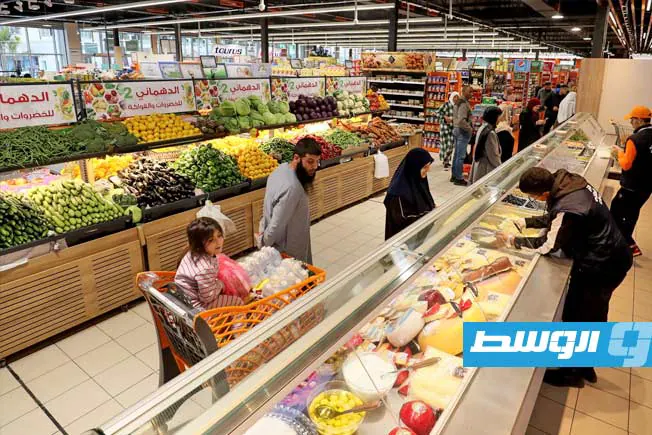
Libyan economic expert Ahmed Abulsin has warned that unverified information on the safety of fruits and vegetables could exacerbate market instability in Libya. This comes as the country faces increasing pressure on food prices. Abulsin emphasized that claims about the use of pesticides or presence of harmful substances should be based on official test results.
Abulsin stressed that evaluating agricultural product safety should not rely on general assumptions or social media posts. He argued that such claims should be substantiated by verifiable test results and official analyses. This is crucial in maintaining consumer trust and ensuring the sustainability of local production.
The economic expert highlighted that exaggerating the risks associated with local products could lead to decreased demand and increased reliance on imported goods. This, in turn, could raise the import bill and expose the market to global food price fluctuations and exchange rate volatility. Abulsin noted that the consequences of decreased demand for local agricultural products could be far-reaching.
Abulsin also cautioned against ignoring the actual risks associated with the misuse of pesticides. He pointed out that weak regulatory oversight and lack of data could distort competition among producers. Those who adhere to quality and regulatory standards incur additional costs, while those who do not may gain an unfair advantage.
The expert called on relevant authorities to establish a more transparent system for monitoring agricultural product quality. This system should include regular testing and publication of results, enabling consumers, producers, and traders to make informed decisions based on reliable information. Abulsin also advocated for enhanced agricultural guidance and stricter controls on pesticide use.
Abulsin emphasized that food safety is no longer just a health issue but also an economic one. It is linked to market efficiency, consumer trust, and the sustainability of local production. He urged a balanced approach to addressing food safety concerns, one that protects consumers while ensuring that local products remain competitive.
The issue of food safety in Libya requires a comprehensive approach that takes into account both consumer protection and the economic implications of unverified claims. With the right regulatory framework and data-driven decision-making, Libya can mitigate the risks associated with food safety and support its local producers.
Key points
- Unverified food safety claims in Libya are causing market instability and harming local producers.
- Expert Ahmed Abulsin calls for a transparent system to monitor agricultural product quality.
- Food safety in Libya is a critical issue that affects both consumer protection and the economy.