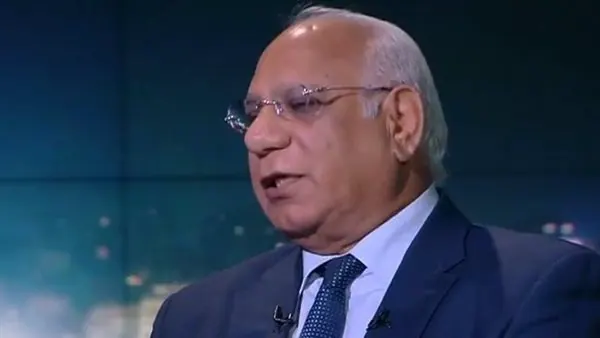
Egypt's agricultural sector is facing a significant threat due to a shortage of young researchers and staff in universities, research centers, and agricultural extension services. Dr. Nader Nour El-Din, a professor of agriculture and water resources at Cairo University, has warned that the lack of new appointments in these fields for several years has led to a decline in the number of young researchers and faculty members. This shortage poses a significant risk to the sector's future and its ability to develop and tackle challenges.
The aging of the current academic staff is a pressing concern, with around 70% of the teaching staff at Cairo University's Faculty of Agriculture nearing retirement age. Dr. Nour El-Din emphasized that the continued absence of new appointments exacerbates the gap between generations and threatens the continuity of academic and research work. This issue is not limited to universities but also affects agricultural research centers and extension services, which lack young cadres capable of communicating with farmers and transferring research findings and scientific recommendations to the fields.
The lack of young researchers and staff in the agricultural sector has significant implications for the future of agriculture in Egypt. Dr. Nour El-Din stressed that the primary goal of any agricultural policy should be to restore profitability to agricultural activities. If farmers continue to incur losses, they may be forced to abandon their land and seek alternative sources of income. This could have far-reaching consequences for food security and poverty levels in rural areas.
The consequences of inaction will be severe, with potential impacts on food security and poverty levels in rural areas. Dr. Nour El-Din warned that if farmers abandon their land, it will have significant repercussions for the country's food security and rural poverty levels. Therefore, it is essential to develop policies that ensure a reasonable economic return for farmers, encouraging them to maintain their land and increase production.
To address these challenges, Dr. Nour El-Din emphasized the need to inject new blood into universities, research centers, and agricultural extension services. These sectors are crucial for the development of Egyptian agriculture, both in terms of producing knowledge and applied research and transferring scientific recommendations to farmers. The involvement of young researchers and staff is essential to drive innovation and progress in the sector.
The Egyptian government must take urgent action to address the shortage of young researchers and staff in the agricultural sector. This can be achieved by initiating new appointments and providing opportunities for young researchers to develop their skills and expertise. By doing so, the government can help ensure the long-term sustainability and competitiveness of the sector.
In conclusion, the agricultural sector in Egypt is facing a critical crisis due to a shortage of young researchers and staff. The consequences of inaction will be severe, with potential impacts on food security and poverty levels in rural areas. It is essential that the government takes immediate action to address this issue and ensure the future of the sector.
Key points
- The agricultural sector in Egypt faces a significant threat due to a shortage of young researchers and staff.
- The aging of the current academic staff poses a pressing concern, with around 70% of the teaching staff at Cairo University's Faculty of Agriculture nearing retirement age.
- The lack of young researchers and staff in the agricultural sector has significant implications for the future of agriculture in Egypt, including potential impacts on food security and poverty levels in rural areas.