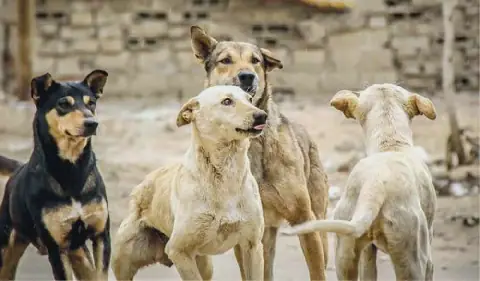
Historian and philosopher Yuval Noah Harari has presented a thought-provoking idea that humanity might become to the future what cows are today. This comparison may seem implausible at first, but it serves as a warning for the future of human intelligence and autonomy. Cows coexist with humans but lack understanding of the economic systems that dictate their lives, oblivious to markets, trade, and the decisions made about them.
Harari suggests that humans may find themselves in a similar situation as artificial intelligence progresses. As AI systems develop capabilities beyond human understanding, humans might rely on them without grasping how they operate. Like cows unaware of the livestock market, humans may struggle to comprehend the algorithms shaping their lives. The concern isn’t that AI will turn against humanity, but rather that humans could become irrelevant within the systems that govern their existence.
The real danger, according to Sam Kargbo, may not be machines outperforming humans in thinking, but humans choosing to let machines do their thinking for them. For centuries, intelligence has been a hallmark of human progress, leading to remarkable advancements in learning and innovation. However, humans now risk allowing machines, designed to enhance thinking, to diminish their inclination to think for themselves.
This concern extends to all professions and citizens, intensifying when machines begin to influence systems like finance, law, and democracy. The challenge shifts from whether machines can think to whether humans can effectively govern the systems they have built. Moreover, AI is shaped by human biases and historical injustices, which may unwittingly create systems that reflect and entrench existing inequalities.
Algorithms do not become neutral simply because they are mathematical, and when human prejudice infiltrates technology, injustice can appear as scientific objectivity. This raises a pressing question: if humanity has struggled for fairness throughout history, why would the AI it creates govern any better? However, unlike cows, humans have the ability to question and regulate the systems they create.
To avoid a descent into algorithmic subordination, humans must ensure transparency and accountability and maintain meaningful oversight. This requires vigilance, imagination, courage, and international cooperation, especially as divisions threaten collective responsibility. It is crucial for humans to approach this unprecedented technological change with a shared ethical framework, rather than being consumed by past divisions.
The ultimate irony might be that, after asserting intellectual dominance for millennia, humanity could create an intelligence that renders its own superiority unnecessary. The most unsettling question remains: will humans maintain the intellectual independence to recognise when they become the livestock of their own creation? Perhaps the greatest tragedy of humanity isn’t that machines will outthink humans, but that humans will grow so reliant on them that they forget how and why they needed to think for themselves in the first place.
Key points
- Humans may become like cows in the future, unaware of the systems governing their lives as AI progresses.
- The real danger may not be machines outperforming humans in thinking, but humans choosing to let machines do their thinking for them.
- Humans must ensure transparency and accountability and maintain meaningful oversight to avoid a descent into algorithmic subordination.
Reporting sources
- The Cows of Tomorrow: A Vision for Humanity – Cocorioko · sierraleonetoday.co.com