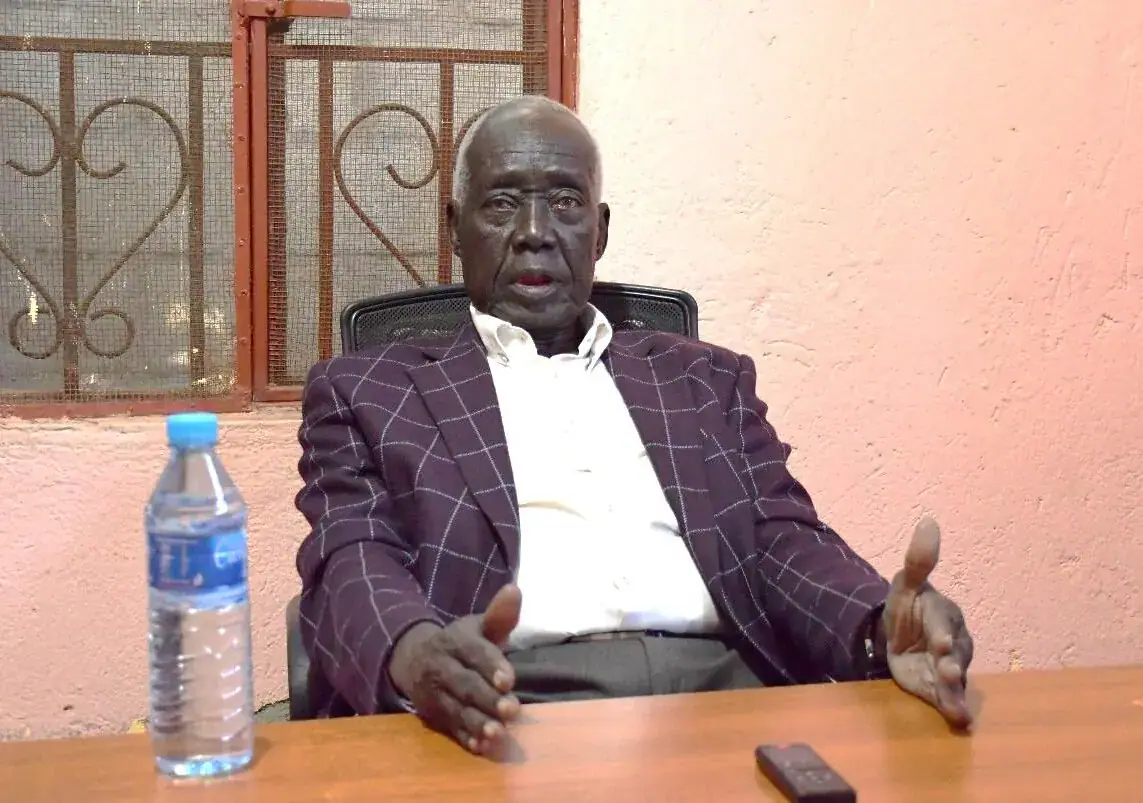
Expert Macar Aciek Ader has advised the government of South Sudan to invest oil revenues in agriculture to diversify the country's economy and reduce its heavy dependence on oil exports. In an interview with No. 1 Citizen Newspaper, he emphasized the need for the government to use oil revenue to strengthen agricultural production, develop local industries, and create alternative sources of national revenue. This is particularly important given the global transition from oil to other energy sources.
Aciek noted that oil remains a crucial source of government revenue, but the country must prepare for the future by investing its oil earnings wisely. He stressed that the future of South Sudan is in agriculture and that the government should use the available opportunity to build a stronger and more diversified economy. The country's agricultural potential is vast, but it continues to import essential food commodities such as sugar, wheat flour, edible oil, and maize flour from neighboring Uganda.
The expert questioned why South Sudan relies on imports for these commodities despite having the potential to produce them locally. He argued that oil revenues should benefit ordinary citizens through investments in productive projects, employment opportunities, and the payment of salaries and wages. Government revenue should be translated into tangible development programs that improve people's livelihoods rather than remaining figures in financial reports.
Aciek's remarks reflect the longstanding vision of the late Dr. John Garang de Mabior, who advocated using oil revenues to support agricultural development and transform the country's economy. Garang had called for oil revenue to fuel agriculture through the provision of machinery, petrochemical products for industrial use, and fertilizers to improve agricultural productivity.
South Sudan remains heavily dependent on oil revenues, making its economy vulnerable to fluctuations in international oil prices and disruptions to oil production and transportation. The development of agriculture could provide an alternative source of revenue, create employment for young people, strengthen food security, and reduce the country's dependence on imported commodities.
However, achieving this transformation requires sustained government investment in agricultural machinery, irrigation systems, feeder roads, storage facilities, affordable farm inputs, and access to markets. Aciek's call highlights the need for South Sudan to treat oil wealth as an opportunity to build a productive economy rather than depending on petroleum as its main source of income.
Investing oil revenues in farming could become an important step towards economic independence and improved livelihoods for South Sudan's citizens. Aciek's call comes ahead of the launch of his book, "Exploitation of Southern Sudan's Oil by Northern Sudanese 1962-201." His advice is a timely reminder of the need for the government to prioritize agricultural development and economic diversification.
Key points
- Expert Macar Aciek Ader calls for South Sudan to invest oil revenues in agriculture to diversify the economy.
- The country's economy is heavily dependent on oil revenues, making it vulnerable to fluctuations in international oil prices.
- Investing in agriculture could provide an alternative source of revenue and improve livelihoods for South Sudan's citizens.