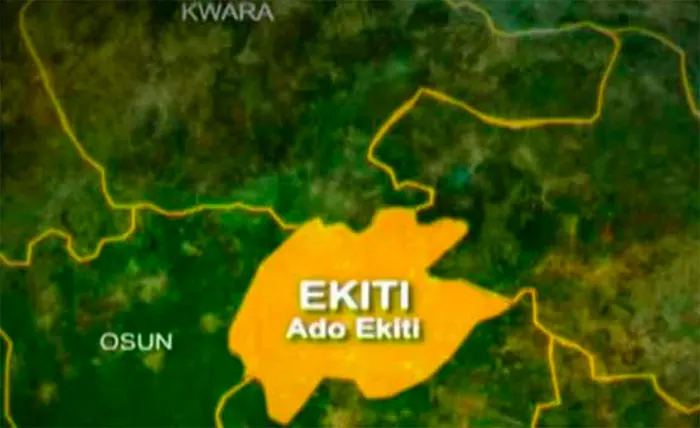
An urban development expert, Mr. Michael Ale, has urged the Ekiti State Government to establish a permanent flood-management system to tackle recurring flooding in Ado-Ekiti and other parts of the state. Ale, the Coordinator of the Global Development Initiative (GDI), emphasized that the recurring flooding should no longer be treated as a seasonal emergency requiring temporary responses, but as a development challenge requiring sustained planning and institutional action.
Ale suggested that the state government seek technical and financial support from the Federal Government, World Bank, and other development partners to develop a comprehensive flood-management programme for the state. This programme should include regular dredging and desilting of rivers and drainage channels, enforcement of building regulations, protection of waterways, and adequate maintenance of drainage infrastructure.
The development expert identified areas such as the Elemi and Ureje corridors as examples of the need for authorities to move beyond emergency response and address the factors behind the repeated incidents. He also called for stricter enforcement of development plans, warning against construction on waterways, drainage setbacks, and other flood-prone areas.
Ale advocated for an effective early-warning system that would enable residents and relevant government agencies to receive timely information and take preventive measures before heavy rainfall leads to flooding. He also identified poor waste disposal and blocked drainage channels as factors that could worsen flooding, urging local authorities to strengthen environmental sanitation and enforcement.
The GDI coordinator proposed regular monitoring and evaluation of flood-control projects to ensure that public funds spent on drainage, dredging, and other infrastructure produce measurable results. He suggested enacting a statutory flood-resilience and urban-planning law, as well as possibly establishing an Ekiti Flood Management Agency to coordinate prevention, preparedness, and response.
Ale emphasized that the state could publish periodic compliance reports on flood-risk management, arguing that stronger institutions would ensure continuity of policies and programmes irrespective of changes in political leadership. He commiserated with the families of those who lost their lives in the recent flooding, describing the deaths as painful reminders of the human cost of the recurring disaster.
The recent flooding in Ado-Ekiti should serve as an opportunity for the government to develop a long-term strategy to reduce risks to lives, property, and infrastructure, rather than relying mainly on emergency interventions after disasters occur.
Key points
- The Ekiti State Government is urged to establish a permanent flood-management system to tackle recurring flooding in the state.
- The system should include regular dredging and desilting of rivers and drainage channels, enforcement of building regulations, and protection of waterways.
- An effective early-warning system and stricter enforcement of development plans are also necessary to prevent and mitigate flooding.