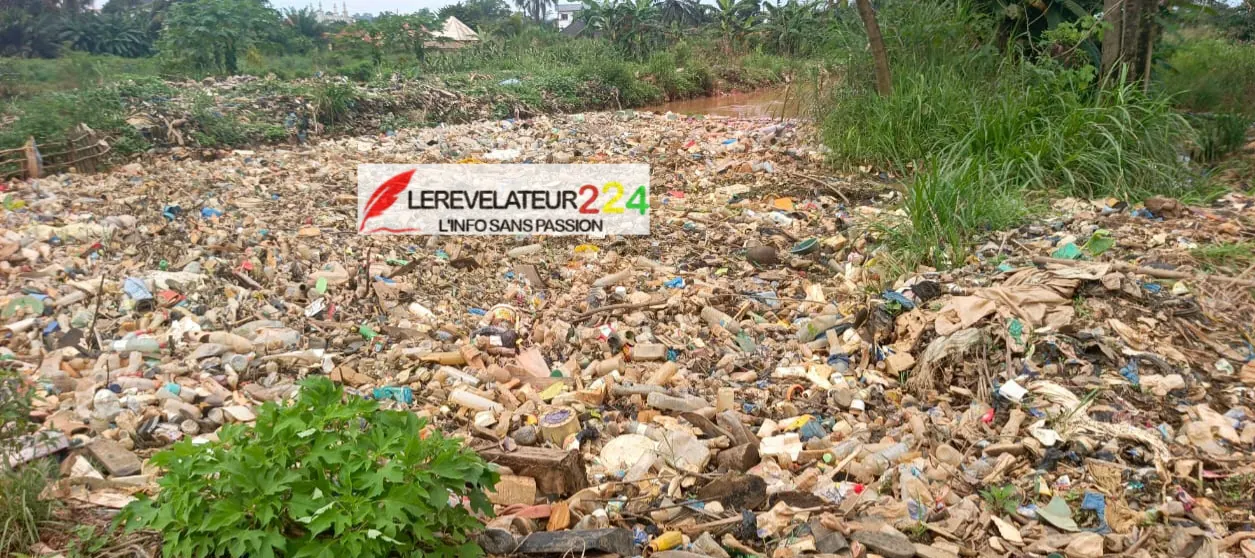
The proliferation of plastic waste has become a significant environmental and public health challenge in Guinea, with cities like N'Zérékoré struggling to manage the issue. Alpha Oumar Kalissa, head of the Environmental Engineering Department at the University of N'Zérékoré, has emphasized the urgent need for sustainable practices to mitigate the crisis. According to Kalissa, the consequences of inaction are dire, including soil degradation, flooding, and the spread of diseases.
Kalissa attributes the plastic waste crisis to several factors, including the importation of manufactured products, the production and circulation of single-use plastic bags, and poor waste management practices. He notes that these issues have transformed urban centers into open-air dumpsites, posing significant environmental and health risks to local populations. The expert stresses that addressing the problem requires a comprehensive approach that involves changing consumer behavior and improving waste management infrastructure.
In response to the crisis, the Guinean authorities have announced restrictions on the use of plastics, a move that Kalissa supports. However, he emphasizes the need for economic support for affected populations to ensure a smooth transition to more sustainable practices. Kalissa argues that the financial sacrifice required to address the issue is necessary to protect the environment and ensure a sustainable future for future generations.
To achieve sustainable urban development, Kalissa advocates for a two-pronged approach: promoting recycling and encouraging eco-friendly behaviors. He suggests that existing technologies can be used to transform used plastics into useful products, such as irrigation equipment. Additionally, Kalissa encourages citizens to adopt eco-friendly habits, such as using reusable bags and containers, and abandoning single-use plastics.
Kalissa also encourages citizens to revisit traditional practices that were more environmentally friendly. He notes that in the past, Guineans used alternatives to plastic, such as cloth bags and baskets, and drank water from reusable containers. By reviving these habits, Kalissa believes that citizens can make a significant contribution to reducing plastic waste and promoting sustainable development.
The expert emphasizes that addressing the plastic waste crisis requires a collaborative effort from both the government and citizens. He stresses that strict enforcement of government regulations, combined with increased public awareness and education, is essential to achieving sustainable urban development. By working together, Kalissa is optimistic that Guinea can overcome the plastic waste crisis and create a more sustainable future.
The call to action by Kalissa comes as Guinea continues to grapple with the environmental and health impacts of plastic waste. With the support of experts like Kalissa, the government and citizens can work together to develop effective solutions to the crisis. By adopting sustainable practices and promoting eco-friendly behaviors, Guinea can mitigate the effects of plastic waste and create a healthier, more sustainable environment for future generations.
Key points
- Expert Alpha Oumar Kalissa urges Guineans to adopt eco-friendly behaviors to combat plastic waste.