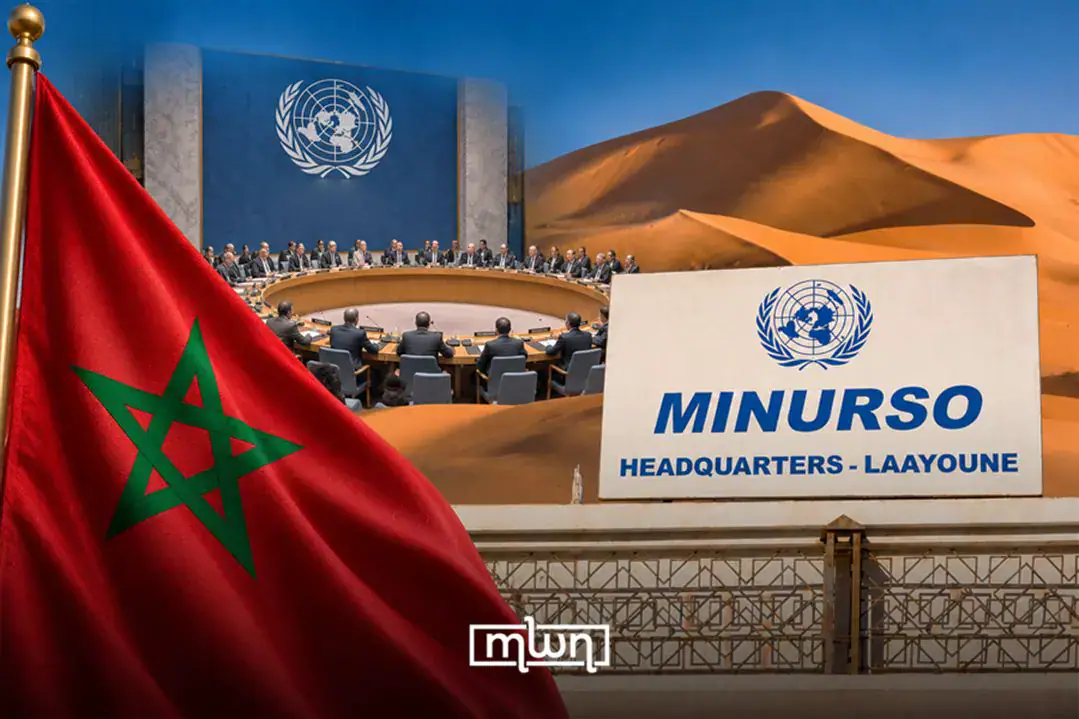
Samir Bennis, has responded to an article by Ana Palacio, Spain's former Minister of Foreign Affairs, regarding the end of MINURSO's mandate and its implications for Western Sahara. Bennis disputes Palacio's claims that the General Assembly still has a legally binding say in the Western Sahara political process. He argues that every UN resolution adopted over the past two decades suggests otherwise, indicating a shift in the UN's stance on the matter.
Bennis draws a parallel between Palacio's arguments and those made by Algeria's former Foreign Minister, Abdelaziz Bouteflika, in 1975. Bouteflika's letter, dated November 19, 1975, claimed that the Madrid Tripartite Agreement did not alter Western Sahara's legal status or transfer sovereignty to Morocco and Mauritania. Bennis notes that Palacio's language bears a striking resemblance to Bouteflika's, suggesting that there has been no substantive change to the legal status of the Sahara question.
The historical context of the Western Sahara conflict is complex, with Spain's role in the origins and prolongation of the conflict being a significant factor. Bennis, who has chronicled the Western Sahara story, notes that Spain's recognition of the Polisario Front as the "legitimate representative" of the Sahrawis in 1978 contributed to the conflict's prolongation. He suggests that Palacio's views may be influenced by Spain's historical stance on the issue.
Bennis disagrees with Palacio's assertion that the General Assembly still has a prominent say in the outcome of the UN-led political process. He argues that the UN Security Council has become the primary body responsible for the dispute, and that MINURSO's disappearance is a major breakthrough for Morocco. However, Bennis acknowledges that the dispute will not be definitively settled until an agreement is reached with Algeria and its separatist proxy, the Polisario Front.
The demise of MINURSO, which had become an obstacle to resolving the conflict, is seen as a significant development in the Western Sahara peace process. Morocco had been pushing for the mission's termination, arguing that it had outlived its usefulness. Bennis notes that the Moroccan government is aware of the need for a definitive resolution to the conflict, which will require an agreement with Algeria and the Polisario Front.
Bennis praises Palacio for her moderation and restraint on other issues, such as the Ceuta migration crisis. However, on the Western Sahara issue, he believes that Palacio's views are at odds with the prevailing pro-Rabat mood surrounding the UN-led process. The debate highlights the ongoing complexities of the Western Sahara conflict and the challenges of finding a definitive resolution.
The Western Sahara conflict has been a longstanding issue, with various attempts at resolution over the years. Bennis' response to Palacio's article underscores the need for a nuanced understanding of the conflict's history and the roles of various parties involved. The disagreement between Bennis and Palacio reflects the ongoing debate about the best approach to resolving the conflict and the status of Western Sahara.
Key points
- Samir Bennis disputes Ana Palacio's claims that the General Assembly still has a legally binding say in the Western Sahara political process.
- Bennis draws a parallel between Palacio's arguments and those made by Algeria's former Foreign Minister, Abdelaziz Bouteflika, in 1975.
- The demise of MINURSO is seen as a significant development in the Western Sahara peace process, but the conflict will not be definitively settled until an agreement is reached with Algeria and the Polisario Front.
Reporting sources
- Echoes of 1975: What Ana Palacio Gets Wrong About MINURSO’s End · Morocco World News