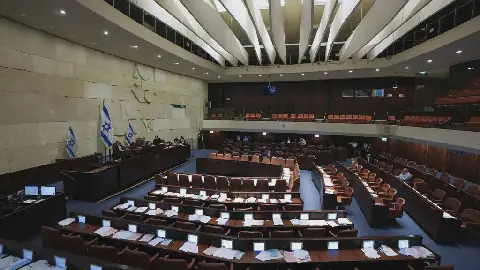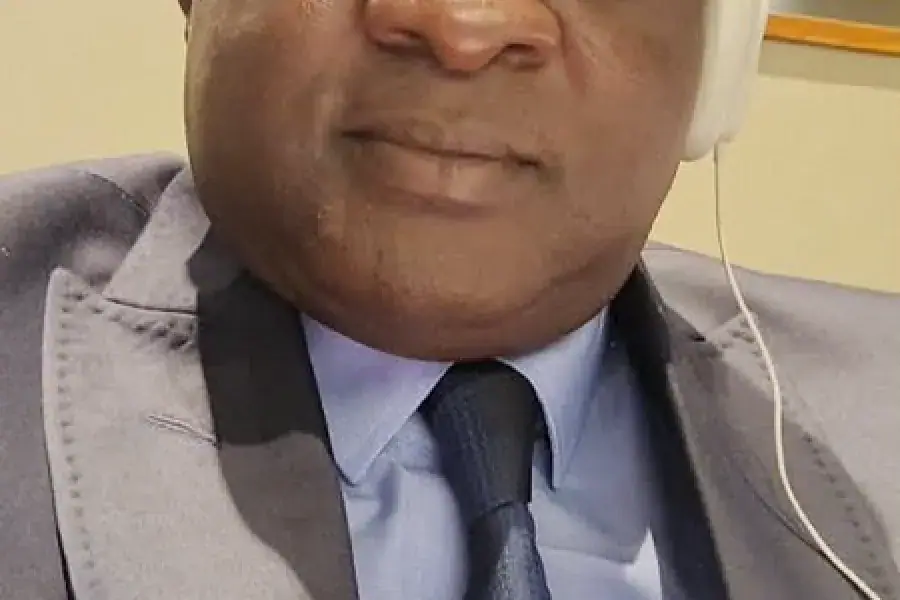
On October 31, 2025, the UN Security Council adopted Resolution 2797, a landmark decision regarding Western Sahara. Dr. Alphonse Zozime Tamekamta, a professor of international relations history at the University of Yaoundé in Cameroon, provides an in-depth analysis of the resolution's significance. As a member of the scientific committee of the Moroccan Center for Research on Globalization, Dr. Tamekamta sheds light on the resolution's implications for Morocco and the region. The resolution has garnered international attention, with several countries welcoming its adoption.
According to Dr. Tamekamta, Resolution 2797 marks a significant milestone in the diplomatic efforts of Morocco, led by King Mohammed VI. The resolution's adoption, with 11 votes in favor, three abstentions, and no votes against, demonstrates a strengthened international consensus. The vote took place during the 50th anniversary of the Green March, a pivotal event in Moroccan history. The resolution's impact extends beyond Morocco, with various countries, including Niger, Ghana, and Sierra Leone, expressing satisfaction with its adoption.
The resolution redefines the framework for negotiations, establishing the Moroccan autonomy plan, presented in 2007, as the basis for discussions. This development effectively rules out the previously considered referendum option. By doing so, the resolution paves the way for a pragmatic and realistic approach to resolving the Western Sahara conflict. Dr. Tamekamta highlights that the resolution identifies the parties involved in the conflict, including Morocco, Algeria, Mauritania, and the Polisario Front, and encourages them to engage in direct discussions without preconditions.
On the diplomatic front, Resolution 2797 has reinforced international consensus and amplified multilateral dynamics. The resolution's adoption demonstrates a renewed commitment to finding a solution to the Western Sahara conflict. Notably, the mayors of Montpellier and Perpignan, Michaël Delafosse and Louis Aliot, representing different political parties, publicly welcomed the resolution as a significant step forward. The international community's reaction underscores the resolution's importance in advancing the peace process.
Dr. Tamekamta emphasizes that Resolution 2797 marks a historical shift by eliminating decades of ambiguity and establishing a new operational and political framework. The resolution solidifies the Moroccan autonomy plan as the foundation for negotiations, under Moroccan sovereignty. This approach is considered a realistic and applicable solution, endorsed by the international community. The resolution's impact is expected to be long-lasting, shaping the future of Western Sahara.
Looking ahead, Dr. Tamekamta outlines three crucial steps for Morocco to capitalize on the momentum generated by Resolution 2797. Firstly, Morocco should develop a detailed and updated vision of its autonomy initiative, in line with the proposal presented to the UN Secretary-General in 2007. Secondly, Morocco must engage in discussions with the international community, building on the renewed momentum. Finally, Morocco should focus on mobilizing expertise and energies around the legal and institutional aspects of the autonomy plan.
The next stages of the process will require Morocco to translate the diplomatic momentum into concrete progress toward a durable solution. Dr. Tamekamta stresses that the implementation of the autonomy plan will necessitate a concerted effort from all parties involved. The international community will be closely watching Morocco's next steps, as the country seeks to build on the success of Resolution 2797 and move toward a lasting resolution of the Western Sahara conflict.
Key points
- The UN Resolution 2797 establishes the Moroccan autonomy plan as the basis for negotiations, marking a significant shift in the international approach to resolving the Western Sahara conflict.
- The resolution has garnered widespread international support, with several countries welcoming its adoption and endorsing the Moroccan autonomy plan.
- Dr. Alphonse Zozime Tamekamta emphasizes the need for Morocco to develop a detailed vision of its autonomy initiative and engage in discussions with the international community to capitalize on the momentum generated by the resolution.