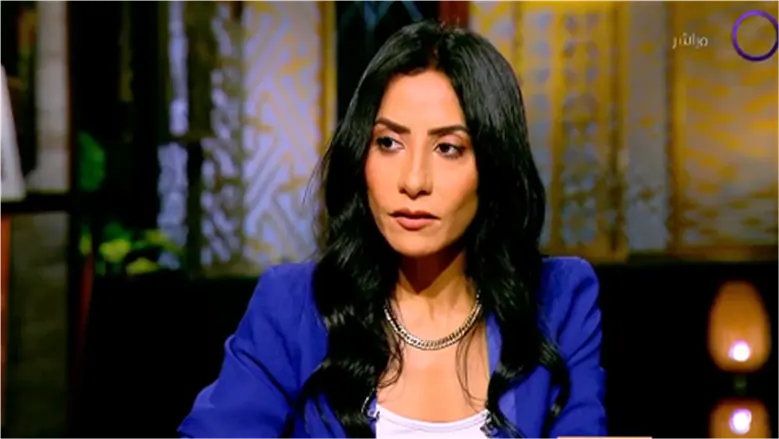
Dr. Huda Rauf, a Middle East and Iran expert, has shed light on Iran's stance regarding negotiations and agreements. In a recent interview with Osama Kamal on the "Masaa DMC" program, Dr. Rauf emphasized that Iran differentiates between engaging in negotiations and reaching a concrete agreement. This distinction is crucial in understanding the country's approach to diplomatic talks. According to Dr. Rauf, Iran may be willing to participate in discussions, as seen in previous talks mediated by Oman, but this does not necessarily translate to a tangible outcome or significant change on the ground.
Dr. Rauf cited previous negotiations between Iran and Oman as an example, where talks continued for an extended period, ultimately resulting in official announcements of compatibility. However, these developments did not noticeably impact maritime navigation, highlighting the disparity between negotiation and actual agreement. This dynamic underscores the complexities of Iran's diplomatic interactions and the challenges of achieving concrete results. The expert's insights provide valuable context for understanding Iran's negotiating strategy and its implications for regional and international relations.
Dr. Atif Sadawi, an international relations expert, offered a complementary perspective, suggesting that both Iran and Israel benefit from the continuation of hostilities compared to reaching a mutually acceptable agreement. In his view, US President Donald Trump requires a deal that can be marketed domestically as superior to the 2015 agreement, which currently seems challenging given the shift in focus away from the nuclear dossier and towards other issues. This observation highlights the intricate web of interests and motivations influencing the negotiations.
According to Dr. Rauf, both parties face time-related pressures, with questions surrounding which side can endure the pressures and display greater flexibility. The absence of a clear, shared position between their current stances further complicates matters. This precarious situation demands careful consideration of the factors at play and the potential consequences of different courses of action. The expert's analysis underscores the need for a nuanced understanding of the complex dynamics driving Iran's negotiations.
The ongoing discussions between Iran and the US have significant implications for regional stability and global security. As experts continue to analyze the situation, it becomes increasingly clear that a deep understanding of the intricacies involved is essential for developing effective diplomatic strategies. The interplay between negotiation and agreement, as highlighted by Dr. Rauf, is a critical aspect of this complex issue.
The current situation is further complicated by the involvement of multiple stakeholders, each with their own interests and agendas. As the negotiations continue, it remains to be seen how the various parties will navigate the challenges and opportunities presented. Dr. Rauf's insights offer a valuable perspective on the dynamics at play, emphasizing the need for a comprehensive understanding of the situation.
In conclusion, the negotiations between Iran and the US are a complex and multifaceted issue, influenced by a range of factors and interests. As the situation continues to evolve, expert analysis and insights will be crucial in informing diplomatic efforts and developing effective strategies. Dr. Rauf's comments provide a valuable contribution to this ongoing discussion, highlighting the need for a nuanced understanding of Iran's approach to negotiations and agreements.
Key points
- Iran differentiates between engaging in negotiations and reaching a concrete agreement.