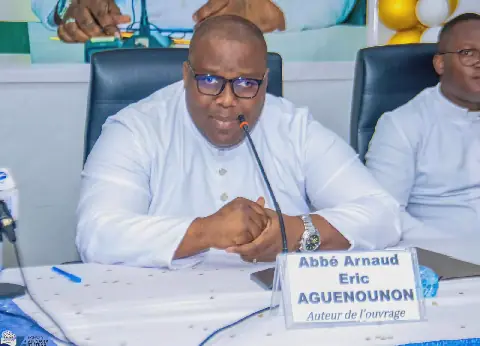
Moroccan author Abdellah Azzouzi began his career with the Ministry of National Education in Boujdour, a city in Morocco's southern provinces, in August 1997. His journey to Boujdour was a long one, involving a train ride from Fez and a bus ride from Marrakech. Over nine years, Azzouzi encountered various human, social, cultural, and political experiences. He reflects on the political significance of his time in Boujdour, particularly the presence of the United Nations and its impact on the region.
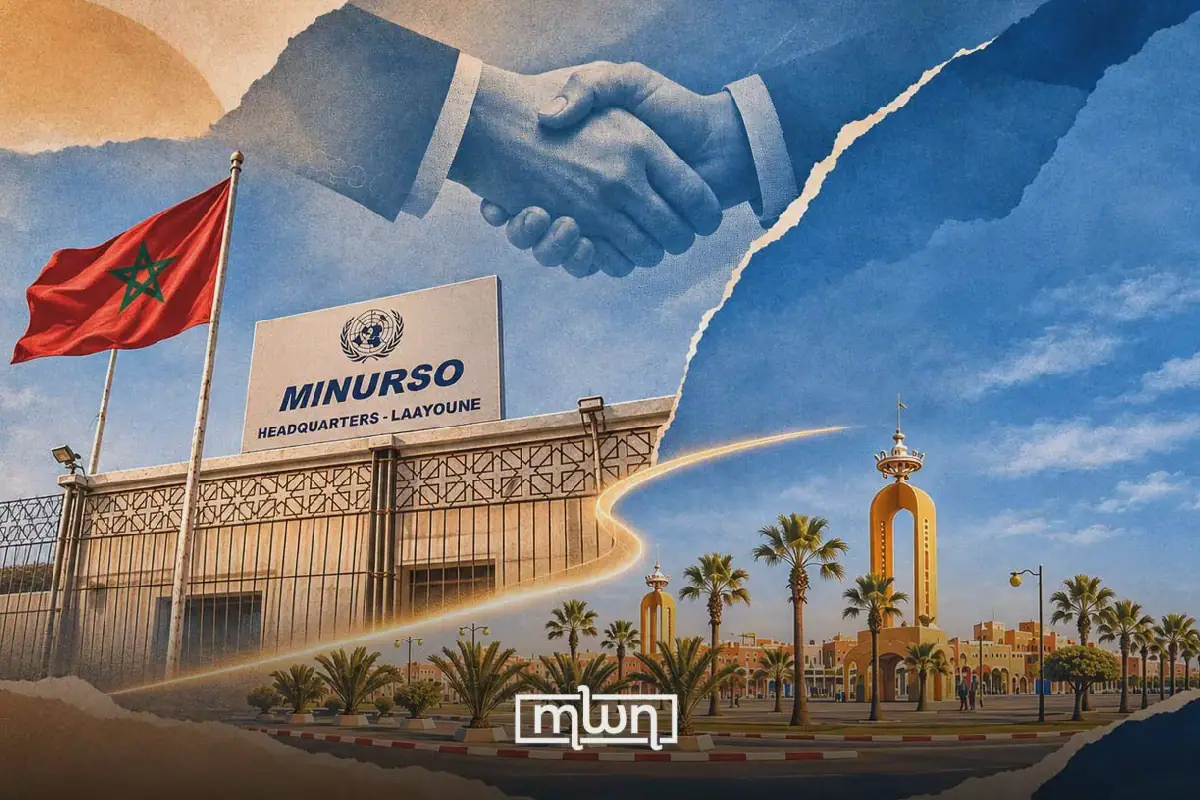
Azzouzi vividly remembers the international presence in cities like Laayoune, Boujdour, and Dakhla, marked by UN flags, vehicles, and soldiers. This presence seemed unusual, given Morocco's historical sphere of influence. Azzouzi's history classes had taught him that Morocco's influence extended to the northern reaches of present-day Mali and western Sudan. The UN presence made him realize that conflicts often involve complex geopolitical calculations, economic interests, and power dynamics.
Azzouzi's reflections are informed by his experiences and academic background, including literary criticism and a Master's program at the Heller School for Social Policy and Management in the United States. He advocates for a "bottom-up approach" to conflict resolution, which involves seeking solutions from the ground up and engaging local stakeholders. This approach recognizes those affected by a conflict as partners in forging a solution, rather than mere recipients of decisions made elsewhere.
Azzouzi contrasts the bottom-up approach with the top-down approach, which proceeds from international institutions and bodies. He questions how solutions developed in distant international settings can achieve lasting results and gain acceptance unless they are grounded in local realities. Azzouzi suggests that a balance between the two approaches is needed, making local realities and stakeholders an integral part of the solution-making process.
The recent developments surrounding Morocco's territorial integrity, including the UN Security Council's failure to renew MINURSO's mandate, have led Azzouzi to re-examine the conflict resolution approach. He believes that the issue should extend beyond managing a political and diplomatic dispute to considering how to translate legitimacy and sovereignty into tangible development and institutional progress.
Azzouzi sees an opportunity to develop the model of the state, making it strong through institutions, democratic through citizen participation, and cohesive through meaningful participation in decision-making. He emphasizes the importance of turning this moment into an opportunity for progress, enabling citizens to experience sovereignty as a responsibility in governance, fairness in opportunity distribution, and participation in decision-making.
Azzouzi's reflections offer insights into the complexities of conflict resolution and the need for a nuanced approach. His experiences in Boujdour and academic background have shaped his perspective on the importance of local realities and stakeholder engagement. As Morocco moves forward, Azzouzi's thoughts on conflict resolution and state development may inform the country's approach to addressing its territorial integrity and promoting sustainable progress.
Key points
- A balance between top-down and bottom-up approaches to conflict resolution is necessary.
- Local realities and stakeholders should be integral to the solution-making process.
- Morocco's territorial integrity issue should extend beyond diplomatic dispute management to tangible development and institutional progress.