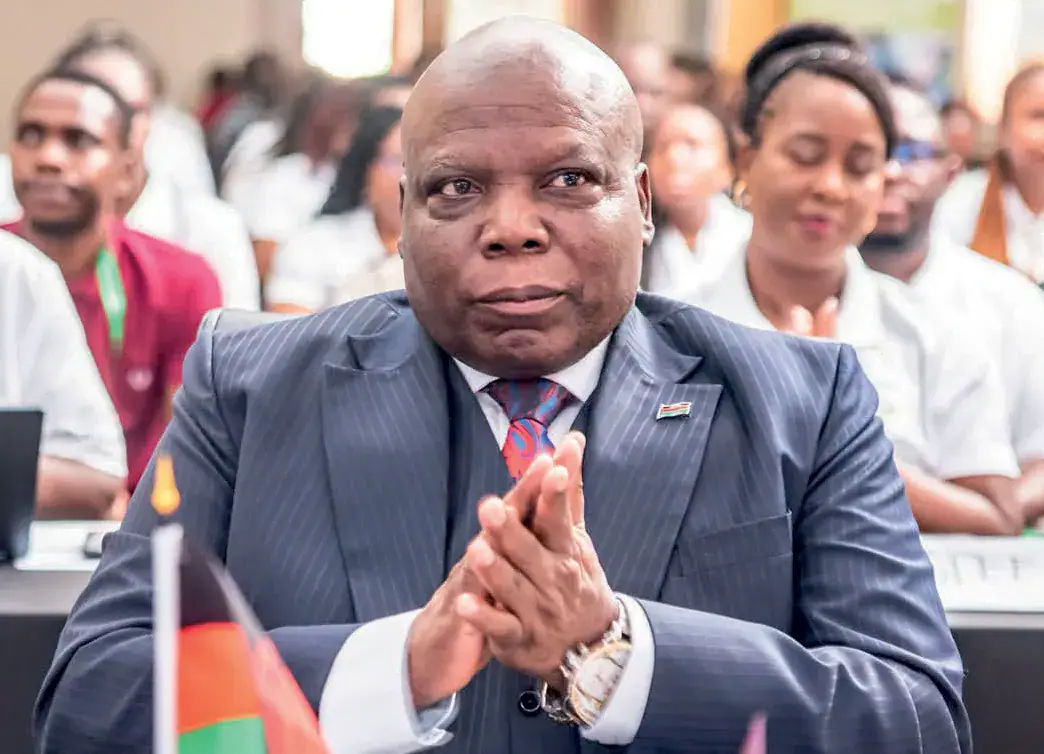
The Malawian government has recognized that its economic policies are not being implemented effectively, hindering the country's progress towards economic transformation. Chief Secretary to the Government Justin Saidi stated that Malawi has well-designed policies but struggles to deliver tangible results. He made these remarks at the 2026 Annual Economic Conference organized by the Economics Association of Malawi (Ecama) in Mangochi. The conference brought together various stakeholders to discuss the country's economic challenges and potential solutions.
According to Saidi, the main challenge facing Malawi is the execution of its economic policies. Despite having good ideas, the government is struggling to translate these into practical results. This has resulted in slow progress towards achieving the country's economic goals. The Chief Secretary emphasized the need for the government to improve its implementation capacity to achieve its economic objectives.
The 2026 Annual Economic Conference aimed to address some of the challenges facing Malawi's economy. Ecama, the organizing body, brought together experts and stakeholders to discuss the country's economic reforms and identify potential solutions. The conference provided a platform for participants to share their experiences and expertise, with the goal of promoting economic growth and development in Malawi.
Malawi's economic challenges are multifaceted, and the government is working to address them. One of the key areas of focus is improving the business environment to attract investment and promote economic growth. The government has implemented various initiatives aimed at enhancing the ease of doing business in Malawi, but more needs to be done to achieve significant progress.
The World Bank recently gave Malawi a mixed rating, highlighting the country's progress in some areas and challenges in others. The rating reflects the complexities of Malawi's economic landscape and the need for continued efforts to address its economic challenges. The government is working to implement reforms and improve its economic management, but progress has been slow.
Economists and experts have attributed Malawi's economic challenges to various factors, including inadequate implementation of policies and lack of effective governance. They argue that the government needs to strengthen its institutions and improve its implementation capacity to achieve its economic objectives. This will require a concerted effort from all stakeholders, including government officials, civil society, and the private sector.
Malawi's economic reforms are critical to the country's long-term growth and development. The government has made efforts to promote economic growth, including investing in infrastructure and promoting trade. However, more needs to be done to address the country's deep-seated economic challenges and achieve sustainable economic growth. The government must prioritize effective implementation of its policies to achieve its economic goals.
Key points
- Malawi's government acknowledges that weaknesses in implementing economic policies are slowing the country's progress towards economic transformation.
- The country's main challenge is the execution of its economic policies, with good ideas not being translated into practical results.
- Economists argue that Malawi needs to strengthen its institutions and improve its implementation capacity to achieve its economic objectives.