In the Democratic Republic of Congo, a recent evaluation in Beni, Nord-Kivu, highlighted the importance of improving the tracing of agricultural export products. The assessment, conducted on October 5, 2026, brought together sector stakeholders to review the progress of a tracing project launched four years ago. Participants emphasized that a reliable tracing system would enable the Congolese government to gather more accurate statistics on production, marketing, local processing, and exports. This, in turn, would enhance transparency in the agricultural value chain.
According to Serge Kambale, an agricultural sector actor, a robust tracing system is crucial for determining actual production quantities, local processing, marketing, and export volumes. He explained that with accurate data, the government can understand its true statistics on production, marketing, and processing. This would allow for the identification of exact quantities produced, processed locally, and exported. A well-functioning tracing system would also facilitate better positioning of Congolese products on regional and international markets.
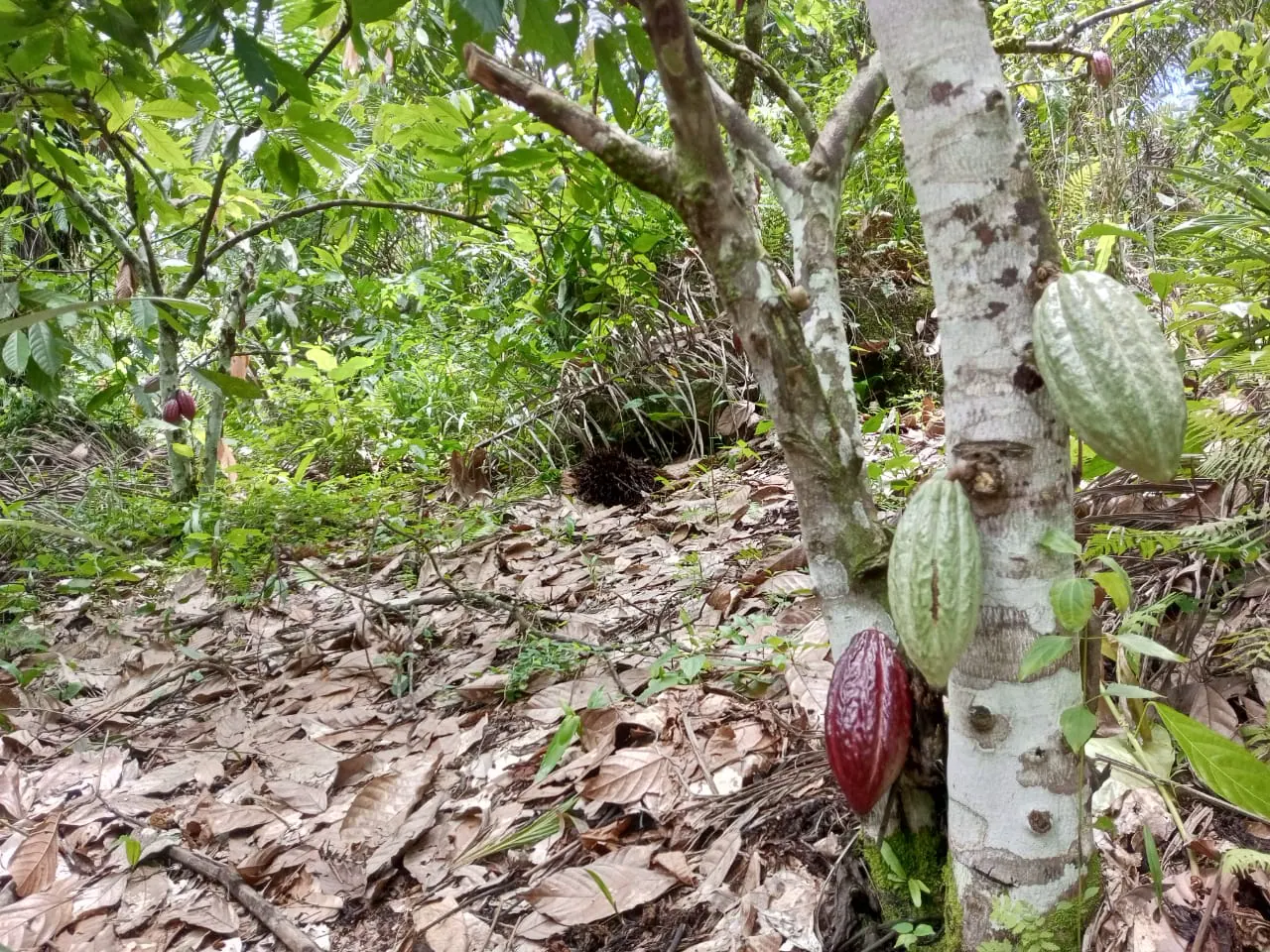
The availability of precise data is a significant challenge for the DRC's positioning on the global market, particularly for cocoa. Serge Kambale stressed that the country's production ambitions must be accompanied by improved reporting of produced, marketed, and locally processed quantities. He believes that a reliable tracing system would enable the DRC to strengthen its presence on the international and regional stages, competing with other countries that produce and export similar products under their own labels.
The evaluation in Beni focused on several major export products, including coffee, cocoa, and vanilla, as well as other cash crops. These products are exported in large quantities to international markets every month. Improving their tracing would allow for more accurate documentation of their quantities and the various stages involved, from production to export, including marketing and local processing.
A well-implemented tracing system would also help to identify the actual quantities of products originating from the DRC, particularly when exported to neighboring countries like Uganda. This would enable the Congolese government to have a clearer understanding of its export volumes and better promote its products on the international market.
The Congolese government has been taking measures to stabilize cocoa prices and improve the overall agricultural sector. The evaluation in Beni is part of a broader effort to strengthen the tracing of agricultural export products and enhance the country's presence on the global market. By improving the accuracy of its statistics, the DRC aims to increase its competitiveness and attract more international buyers.
The implementation of a reliable tracing system is expected to have a positive impact on the DRC's agricultural sector, enabling the government to make more informed decisions and promote its products more effectively. With a robust tracing system in place, the country can improve its export volumes, increase revenue, and strengthen its position on the international market.
Key points
- Improved tracing of agricultural export products would enable the DRC to gather more accurate statistics on production, marketing, and exports.
- A reliable tracing system would enhance transparency in the agricultural value chain and improve the country's positioning on regional and international markets.
- The evaluation in Beni focused on major export products, including coffee, cocoa, and vanilla.