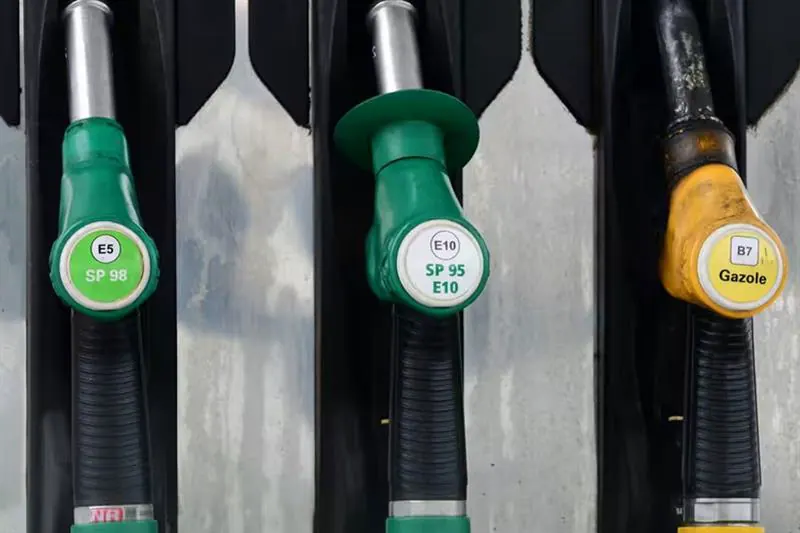
The Eurozone's inflation rate has reached a new three-year high, driven by a significant increase in energy prices. According to Eurostat, the inflation rate in the 20 countries using the euro rose to 3.8% in September, up from 3.2% in August. This is nearly double the European Central Bank's (ECB) target inflation rate of 2%. The increase is attributed to the recent surge in energy prices, which rose by 18.8% in September, up from 14.3% in August.
The conflict in the Middle East, which began in early July, has led to a sharp increase in oil prices, contributing to the rise in energy costs. This has had a ripple effect on the overall inflation rate, with service prices also increasing by 3.2%, up 0.2 points from August. Food prices rose by 1.4%, a 0.3 point increase from the previous month. However, the increase in industrial goods prices slowed slightly, down 0.1 points to 1.1%.
The inflation rate was higher than expected, with analysts surveyed by Bloomberg predicting a rate of 3.7%. The ECB has been under pressure to address the rising inflation, and this latest data may lead to further action. The central bank has already raised interest rates twice this year, bringing the main rate to 2.5%. The ECB's inflation target is 2%, and the current rate is significantly higher.
The rise in inflation is a concern for households and businesses in the Eurozone. The increased cost of living and doing business could have a negative impact on economic growth. The ECB will need to carefully consider its next steps to address the inflationary pressures while also supporting economic growth.
The inflation data is also a concern for policymakers in other countries. The conflict in the Middle East and its impact on energy prices is a global issue, and many countries are taking steps to mitigate the effects. The G7 has agreed to release more oil from strategic reserves to help ease the pressure on energy prices.
The European Central Bank's (ECB) President, Christine Lagarde, has warned that the ongoing conflict in the Middle East could lead to higher inflation than previously forecast. The ECB is closely monitoring the situation and may take further action to address the inflationary pressures.
The rise in inflation in the Eurozone is a significant concern, and it will be important to monitor the situation closely in the coming months. The ECB will need to balance the need to control inflation with the need to support economic growth. The global economic outlook is uncertain, and the impact of the conflict in the Middle East on energy prices will be a key factor in determining the future course of inflation.
Key points
- The Eurozone's inflation rate rose to 3.8% in September, driven by a surge in energy prices due to the conflict in the Middle East.