The eurozone will select a new European Central Bank (ECB) president next year, along with potential replacements for up to two-thirds of the bank's six-member executive board. This development has sparked an intricate game of political chess among the bloc's 21 countries. The process begins with the presidency before moving to the remaining roles, with frontrunners already emerging. The appointments are highly political and often form part of wider negotiations across European institutions.
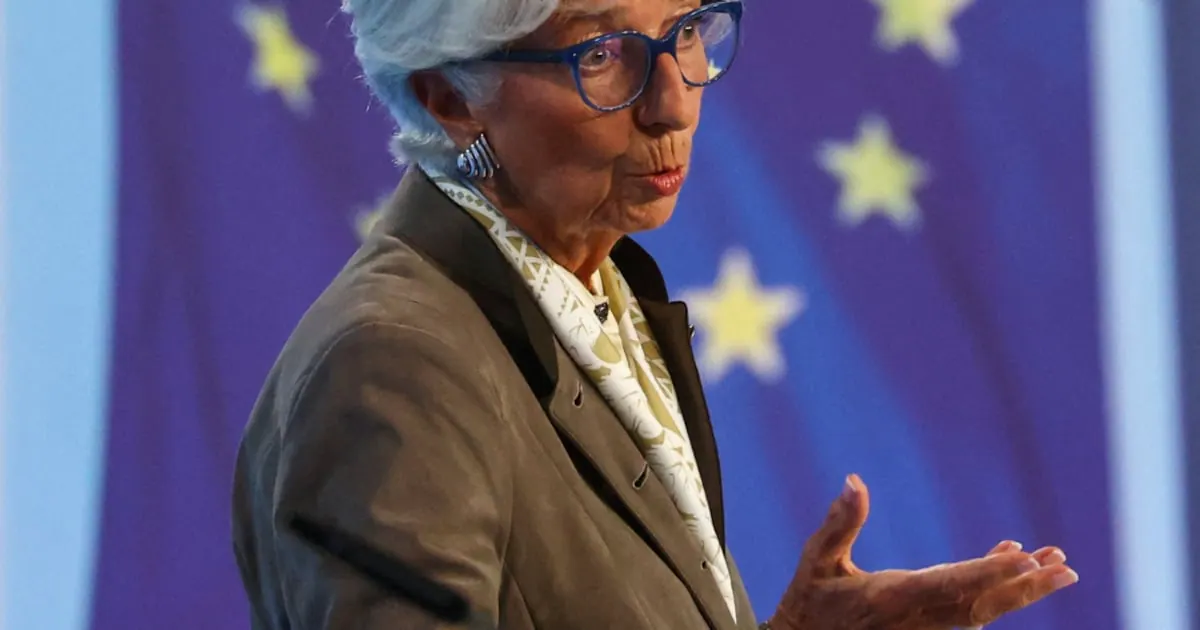
The current ECB president, Christine Lagarde, has seen her term extended until October 31, 2027, but she has faced persistent rumors about potentially stepping down early. Two executive board members, Isabel Schnabel and Philip Lane, are set to leave their positions. Schnabel, responsible for market operations, will take up a role at the IIM, while Lane's term as chief economist ends on May 31. Their departures have created vacancies that will be filled through a formal selection process.
Executive board members are appointed by eurozone leaders, typically one at a time. However, with multiple positions opening in quick succession, officials are likely to negotiate a broader package of appointments. The board aims to maintain political and geographic balance, meaning each appointment affects the others. Frontrunners to succeed Lagarde include Bank for International Settlements general manager Pablo Hernandez de Cos and former Dutch central bank chief Klaas Knot.
Domestic politics is expected to play a significant role in the appointment process. France, holding a presidential election next spring, may increase pressure on President Emmanuel Macron to secure an ECB deal before a new French leader takes office. In Germany, growing support for the far right has weakened Chancellor Friedrich Merz, potentially limiting his political capital for ECB negotiations. Spain, approaching a 2027 election, has made clear it will push for the ECB presidency.
The formal selection process for Schnabel's replacement could begin as early as next month, with discussions about a broader package of appointments likely to start informally beforehand. Because the appointments are interconnected, officials are expected to agree on an overall framework first and then implement it as vacancies arise. Any eurozone country can compete for one of the six executive board seats, although France, Germany, and Italy have traditionally held de facto permanent seats.
Spain is arguing it should have a permanent seat, suggesting that 17 eurozone members could be splitting the remaining two spots. A country can have only one representative on the board, and if Knot becomes president, fellow Dutch board member Frank Elderson would need to step down, creating another vacancy. Several scenarios are possible, with the hawkish Knot potentially becoming president and the chief economist role going to a candidate from a country with a softer stance on public spending.
The leadership shake-up may not immediately affect monetary policy, as it is set by the ECB's 27-member governing council. However, the president's leadership style matters, with Lagarde seen as a consensus-builder who manages debate and seeks broad agreement. Her predecessor, Mario Draghi, took a more directive approach, often driving debates and limiting room for compromise. The new leadership will be closely watched for its impact on the eurozone's economic policies and the future of Europe.
Key points
- The eurozone will select a new ECB president and potentially replace up to two-thirds of the bank's executive board next year.
- Domestic politics is expected to play a significant role in the appointment process, with France, Germany, and Spain pushing for key roles.
- The leadership shake-up may not immediately affect monetary policy, but the president's leadership style will be closely watched.