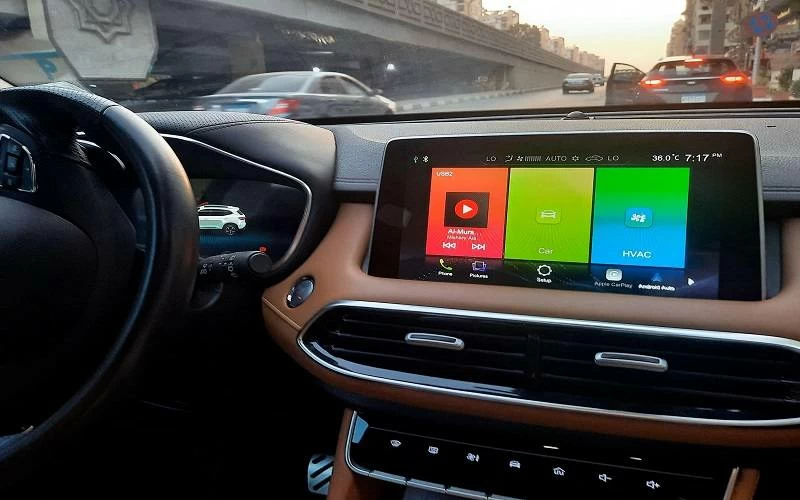
The Dutch intelligence agency, AIVD, has issued a warning about the potential risks associated with smart cars, citing their ability to collect and transmit large amounts of data. These vehicles are equipped with advanced digital systems, cameras, microphones, and GPS, which can be accessed remotely, potentially allowing malicious parties to gather sensitive information. This warning comes as concerns grow in Britain and other Western countries about the security risks associated with the rapid proliferation of connected cars.
Modern cars have become increasingly sophisticated, relying on digital systems that collect vast amounts of data and connect continuously to the internet. While these technologies provide practical benefits for drivers, they also gather extensive information about passengers, the vehicle itself, and its surroundings. The AIVD warned that multiple parties, including state-affiliated entities, may be able to access and exploit this data for various purposes.
The warning comes at a time when concerns are growing in Britain and other Western countries about the security risks associated with the rapid proliferation of connected cars, particularly those manufactured in China. British defense companies have reportedly been advised to avoid pairing their phones or devices with Chinese-made electric cars, amid fears that sensitive data could be accessed.
The AIVD emphasized that the risk is not limited to the car's ability to determine its location, but also the volume of data it can collect and transmit. The agency noted that remotely activating microphones and cameras is technically possible in some cars, potentially allowing malicious parties to eavesdrop on conversations or record events inside or near the vehicle.
In addition to the risks associated with the car's systems, the AIVD warned that connecting phones and electronic devices to the vehicle via Bluetooth, Wi-Fi, or charging systems could provide a gateway for malicious parties to access data on connected devices. Navigation systems, telematics, and car charging stations can also play a role in collecting and transmitting data about the vehicle, its location, and the driver's movements.
In Britain, lawmakers have raised concerns about China's National Intelligence Law, which requires Chinese companies to assist state intelligence agencies when requested. The UK Ministry of Defense has stated that it is working with government agencies to understand and mitigate potential national security threats associated with smart cars.
The issue has sparked a significant response in Britain, with reports this year revealing that cars containing Chinese components have been banned from certain sensitive military sites. Meanwhile, the UK's MI5 has issued a rare public warning to British universities, advising them to cease cooperation with the China General Institute for Research on Technology, citing concerns that it is being used as a front for Chinese intelligence gathering.
Key points
- The Dutch intelligence agency AIVD has warned about the potential risks associated with smart cars, citing their ability to collect and transmit large amounts of data.
- The warning comes amid growing concerns in Britain and other Western countries about the security risks associated with the rapid proliferation of connected cars, particularly those manufactured in China.
- The issue has sparked a significant response in Britain, with reports this year revealing that cars containing Chinese components have been banned from certain sensitive military sites.