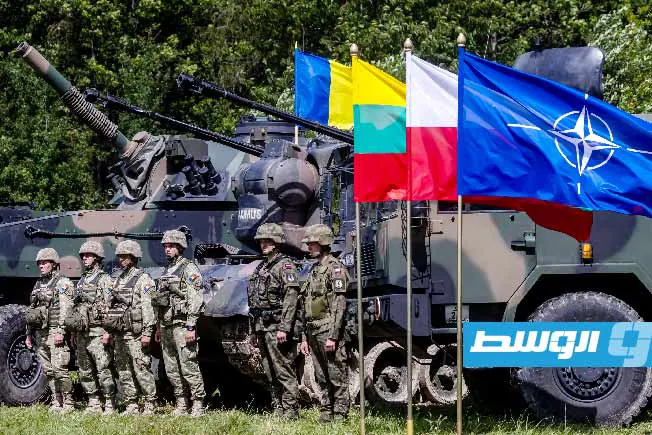
European intelligence agencies have issued warnings of a potential Russian attack on NATO soil within months. According to sources, Russia may test the alliance's defenses in the near future. The warnings come after Polish Prime Minister Donald Tusk stated that intelligence assessments suggest Russia may launch a drone or missile attack on NATO territory in the coming months.
The warnings have been echoed by French President Emmanuel Macron, who described Tusk's concerns as "sound and well-supported." Macron called for an emergency meeting with French party leaders and presidential candidates to discuss the intelligence. The meeting aimed to address the growing threat from Russia and its implications for European security.
The potential Russian attack is seen as a response to the ongoing conflict in Ukraine, where Russia has been engaged in a war with Ukraine since 2022. The conflict has led to a significant escalation of tensions between Russia and the West, with NATO countries increasing their military presence in Eastern Europe.
Intelligence officials from several European countries have shared their assessments of the threat from Russia. Czech Security and Information Service chief Michal Koudelka warned of a possible "limited incursion" into NATO territory, accompanied by cyber attacks and disinformation campaigns. He suggested that such a scenario could occur within months rather than years.
Other European countries, including Latvia and Estonia, have also expressed concerns about the potential threat from Russia. However, they have taken a more cautious approach, urging calm and emphasizing the need for continued support for Ukraine. The Baltic states have been particularly concerned about the threat from Russia, given their geographic proximity.
The potential Russian attack has also raised concerns about the resilience of European societies and economies. Intelligence officials have warned that Russia may seek to exploit weaknesses in Western societies, including through cyber attacks and disinformation campaigns. The goal would be to undermine support for Ukraine and create divisions within NATO.
In response to the growing threat, NATO countries are increasing their military presence in Eastern Europe and strengthening their defenses. The alliance has also stepped up its efforts to counter Russian disinformation and cyber attacks. The situation remains tense, with many experts warning that the threat from Russia is unlikely to diminish in the near future.
Key points
- European intelligence agencies warn of a potential Russian attack on NATO soil within months.
- The warnings cite increased drone activity and cyber threats from Russia.
- The potential attack is seen as a response to the ongoing conflict in Ukraine.