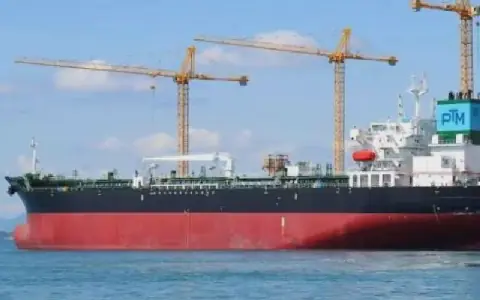
European energy ministers are convening in Dublin to address the ongoing surge in fuel and gas prices, which has raised concerns about the potential strain on consumers as winter approaches. The meeting comes amid global energy market turmoil, fueled by the conflict in the Middle East and the closure of the Strait of Hormuz, which has led to increased costs for European supplies.
The European Commission's energy commissioner, Dan Jorgensen, described the situation as "dangerous," noting that the conflict in the Middle East and the closure of the Strait of Hormuz have resulted in additional energy costs exceeding €100 billion for the 27 EU member states since late February. The informal meeting in Ireland aims to coordinate a European response to the energy crisis.
In the lead-up to the meeting, Jorgensen urged the 27 member states to adopt measures to reduce gas demand and lower electricity consumption during peak hours. This call to action is part of broader European efforts to alleviate pressure on the markets, particularly as the heating season approaches, typically starting between mid-October and early November.
Europe is facing additional pressure due to lower-than-usual gas storage levels. The EU's average gas storage stands at around 70%, with France at 82%, but Germany and the Netherlands at 57% and 58% respectively. Despite these low storage levels, Jorgensen assured that there is no immediate threat to supply security.
The ongoing global supply disruptions and price hikes have raised concerns about the ability of European countries to secure affordable energy. This situation has also sparked fears of renewed protests, similar to France's "Yellow Vest" movement in 2018 and 2019, as households and businesses face increasing living costs and energy bills.
European governments are responding to the crisis in different ways, reflecting their unique financial situations and the support they can offer to consumers and businesses. Some countries, like Portugal and Romania, have implemented general tax reductions, while others, such as France, are providing targeted assistance to specific sectors.
French President Emmanuel Macron has called on the European Commission to take additional measures to mitigate rising fuel costs, including potentially delaying the implementation of EU methane emission reduction rules for a year. The Commission appears open to this proposal, but it may spark debate about balancing energy affordability with climate goals.
Key points
- European energy ministers are meeting to address the impact of soaring fuel and gas prices on consumers and businesses.
- The EU is seeking to coordinate a response to the energy crisis, including measures to reduce gas demand and alleviate pressure on the markets.
- The continent faces a challenging winter, with concerns about energy supply security, affordability, and the potential for renewed protests.