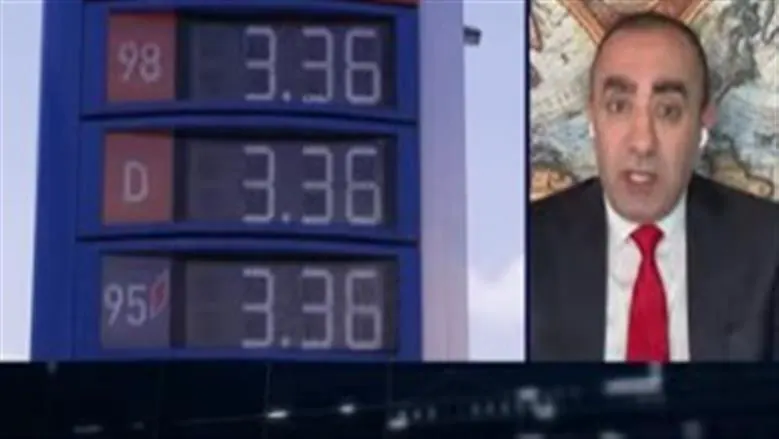
A leading energy expert, Dr. Amer El-Shobki, has warned that Europe is trying to avoid a social crisis due to rising fuel prices. The continent is facing significant pressure, including a surge in global gas prices and strain on local government and company stockpiles. This has resulted in a substantial increase in fuel costs, particularly diesel, which costs Europe approximately 6 billion euros per month.
Dr. El-Shobki noted that European governments are taking protective measures, including providing financial and tax support, to alleviate the effects of the crisis. However, the challenge lies in determining the effectiveness of these initiatives in reducing prices. The expert emphasized that the impact of these measures will be crucial in preventing a broader economic crisis.
The crisis has prompted European governments to consider implementing policies to reduce the burden on citizens. These measures include offering subsidies and tax breaks to help mitigate the effects of rising fuel costs. However, the long-term sustainability of these initiatives remains uncertain, particularly given the predicted duration of the crisis until 2027.
The European Union and its member governments are working to address the energy crisis. Dr. El-Shobki's comments highlight the complexity of the issue and the need for effective solutions. The crisis has significant implications for the region, affecting not only the economy but also the daily lives of citizens.
Rising fuel costs have far-reaching consequences, impacting not only individuals but also businesses and industries. The European economy is likely to experience significant strain due to the increased costs, which may lead to reduced economic growth and higher inflation.
Governments across Europe are under pressure to respond effectively to the crisis. The implementation of policies to mitigate the impact of rising fuel costs will be crucial in preventing a broader social and economic crisis. The situation will require careful monitoring and coordinated action from governments and international organizations.
The energy crisis in Europe is a pressing concern, with significant implications for the region's economy and citizens. As governments and international organizations work to address the issue, it is essential to consider the long-term consequences of the crisis and develop effective solutions to mitigate its impact.
Key points
- Europe faces significant pressure due to rising fuel costs, with diesel costing approximately 6 billion euros per month.
- European governments are implementing measures to alleviate the effects of the crisis, including financial and tax support.
- The sustainability of these initiatives remains uncertain, particularly given the predicted duration of the crisis until 2027.