In Europe, power outages are rare but when they occur, authorities quickly spring into action to minimize disruptions and reassure citizens. Governments and electricity companies prioritize transparency, promptly notifying the public through mobile messages and official radio broadcasts about the cause of the outage and estimated restoration times. This open communication helps alleviate fears and prevents the spread of misinformation.
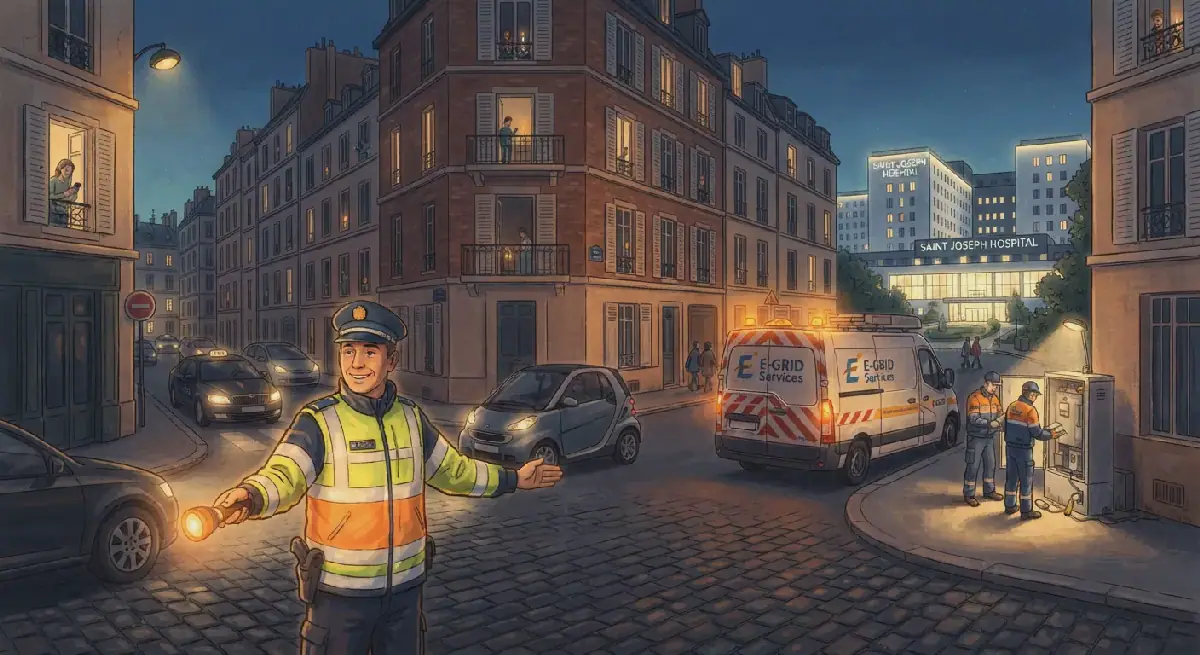
When a power outage occurs, emergency services swiftly respond to ensure public safety. Police officers are deployed to major gathering points to manage traffic and maintain order, while firefighters and emergency medical teams prioritize the rescue of people trapped in elevators or those reliant on medical equipment. Hospitals and water treatment plants are equipped with backup generators that automatically kick in to prevent disruptions to essential services.
As night falls, if the power outage persists, security patrols are increased in darkened areas to maintain a visible presence and reassure citizens. Public facilities such as community centers are opened, providing warm spaces with lighting where people can charge their phones or seek refuge from the cold. This multi-faceted approach aims to address both practical needs and emotional concerns.
The success of European countries in managing power outages lies not only in their technological preparedness but also in their emphasis on rapid communication and transparency. By keeping citizens informed about the situation and the actions being taken, authorities can maintain trust and cooperation. This approach helps prevent panic and promotes a sense of security, allowing communities to weather the disruption with minimal distress.
Effective communication is a critical component of European countries' strategies for addressing power outages. By providing clear and timely information, authorities can manage public expectations and reduce anxiety. This proactive approach enables citizens to plan accordingly and make necessary adjustments to their daily routines.
European countries' preparedness and response to power outages serve as a model for other nations. Their emphasis on transparency, rapid communication, and community support helps mitigate the impact of disruptions and fosters a sense of resilience. By prioritizing public trust and safety, these countries demonstrate a commitment to protecting the well-being of their citizens.
As the world continues to navigate the complexities of modern infrastructure, European countries' approaches to addressing power outages offer valuable lessons. By investing in robust communication systems, emergency preparedness, and community engagement, nations can build more resilient communities and better respond to the challenges posed by power outages and other disruptions.
Key points
- European countries prioritize transparency and rapid communication to maintain public trust during power outages.
- Governments and electricity companies work together to provide clear and timely information to citizens.
- Emergency services and community support are critical components of European countries' responses to power outages.