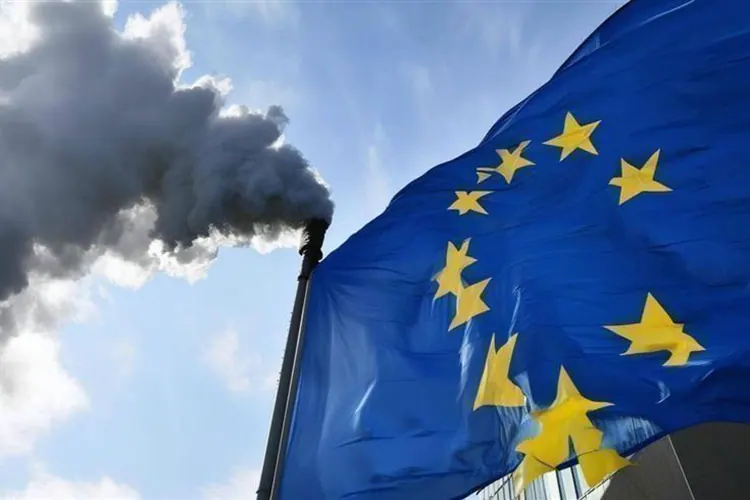
The European Commission has expressed its readiness to grant oil and gas suppliers more time to adapt to methane regulations, amid rising concerns about energy security and prices due to the situation in the Arab Gulf region. This was a key outcome of a meeting of EU energy ministers in Dublin on September 28-29. The goal of the meeting was to exchange positions and study the energy situation in the 27 EU countries, ahead of upcoming European Energy Council meetings in October and December.
The European Commission's push for a delay is driven by concerns about the potential impact of the methane law on energy supplies and prices. The law, which was set to take effect on January 1, aims to reduce methane emissions from oil and gas production. However, some EU countries, including Italy and Germany, have called for a one-year delay, citing concerns that the new rules could make it harder to rely on alternative gas suppliers from next year, potentially affecting prices and energy security.
The methane law requires oil and gas suppliers to prove that their production processes meet certain methane emission standards. The law is part of the EU's efforts to reduce greenhouse gas emissions and mitigate climate change. However, the Commission's proposal to delay the law's activation has been supported by some EU countries, including France. The delay would give suppliers, including Algeria's Sonatrach, more time to adapt to the new regulations.
Algeria is the second-largest supplier of gas to the EU, accounting for 17.4% of the bloc's gas needs in 2025. The country's gas exports to the EU totaled 35 billion cubic meters in 2025, with Italy being the largest recipient. Algeria's gas exports to the EU have increased in recent years, with a 2.5% increase in the second quarter of 2026 compared to the same period in 2025.
The European Commission has estimated that the EU has paid an additional €100 billion for fossil fuels since the start of the US-Iran conflict, without securing additional oil or gas supplies. This has contributed to concerns about energy security and prices. The Commission's proposal to delay the methane law is aimed at addressing these concerns and ensuring a stable energy supply to the EU.
The EU's energy ministers will discuss the proposal to delay the methane law at their upcoming meetings in October and December. A final decision on the law's activation is expected to be taken at one of these meetings. The outcome will have significant implications for oil and gas suppliers, including Algeria's Sonatrach, and for the EU's energy security and climate change mitigation efforts.
The delay in the methane law's activation would give suppliers more time to adapt to the new regulations and invest in methane-reducing technologies. This could help to reduce methane emissions from oil and gas production and support the EU's climate change mitigation goals. However, it could also mean that the EU's energy sector will continue to rely on fossil fuels for longer, potentially hindering efforts to transition to cleaner energy sources.
Key points
- The European Commission is pushing for a delay in the activation of the methane law, which could cause problems for Algeria's Sonatrach in gas exports.
- The law requires oil and gas suppliers to prove that their production processes meet certain methane emission standards.
- Algeria is the second-largest supplier of gas to the EU, accounting for 17.4% of the bloc's gas needs in 2025.