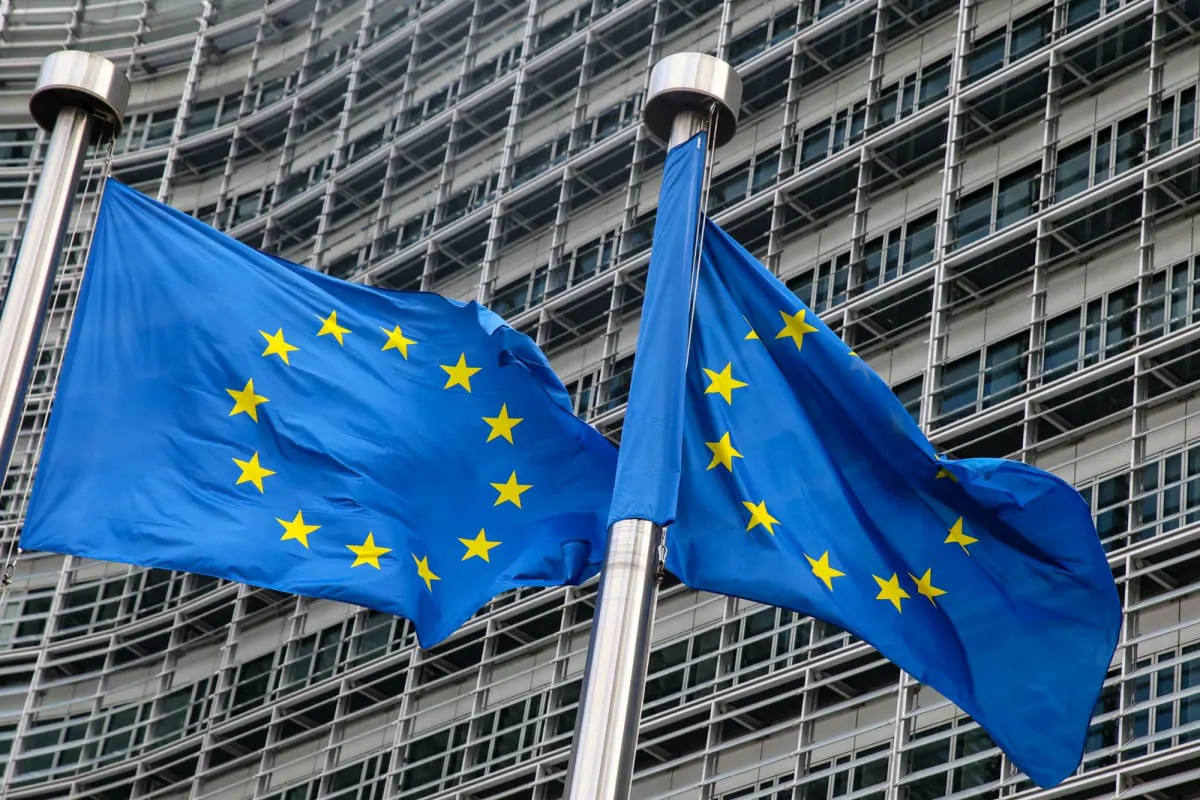
The European Commission is currently drafting roadmaps that outline the remaining steps for four countries - Ukraine, Moldova, Montenegro, and Albania - to complete their EU accession negotiations. These documents will, for the first time, provide indicative timelines for opening and closing negotiation chapters. The goal is to define the path forward, setting priorities, deadlines, and expected outcomes for each step. This approach aims to facilitate a gradual integration process.
The four countries selected have made significant progress in their candidacy. In contrast, six other countries - Kosovo, North Macedonia, Bosnia and Herzegovina, Georgia, Turkey, and Serbia - have been set aside due to slow progress or concerns about democratic backsliding and the rule of law. The Commission plans to offer economic benefits and access to certain EU programs as these countries make progress, rewarding reforms before formal accession.
The European Commission's move is part of a broader effort to revitalize the EU's enlargement process. The issue will be on the agenda at a two-day European summit in Brussels starting October 15, focused on reforming the enlargement process. The summit comes after years of stagnation in the accession process, largely due to the requirement for unanimity among member states, which has allowed individual countries to block progress.
The EU's enlargement policy is a critical institutional issue for the coming years, influencing the reform of EU decision-making rules, the common budget, and agricultural policy. These reforms have significant implications for the EU's trade relations with neighboring countries, including Morocco. The European Commissioner responsible for the dossier, Marta Kos, supports restarting the enlargement sequence.
The proposed roadmaps will detail the specific steps each country must take to meet EU standards. This includes addressing issues related to democracy, the rule of law, and economic development. By setting clear priorities and timelines, the EU aims to provide a more structured and predictable path to membership.
The gradual integration approach is designed to motivate candidate countries to implement necessary reforms. By offering benefits as countries progress, the EU hopes to encourage sustained momentum toward accession. This strategy also allows the EU to assess each country's readiness for membership more effectively.
The European Commission's efforts to reinvigorate the enlargement process reflect a broader recognition of the importance of EU expansion for regional stability and economic growth. As the EU looks to the future, it must balance the aspirations of candidate countries with the need for internal reform and cohesion among existing member states.
Key points
- The European Commission is preparing roadmaps for Ukraine, Moldova, Montenegro, and Albania.
- The roadmaps will include indicative timelines for opening and closing negotiation chapters.
- The EU plans to offer economic benefits and access to certain programs as countries make progress toward accession.