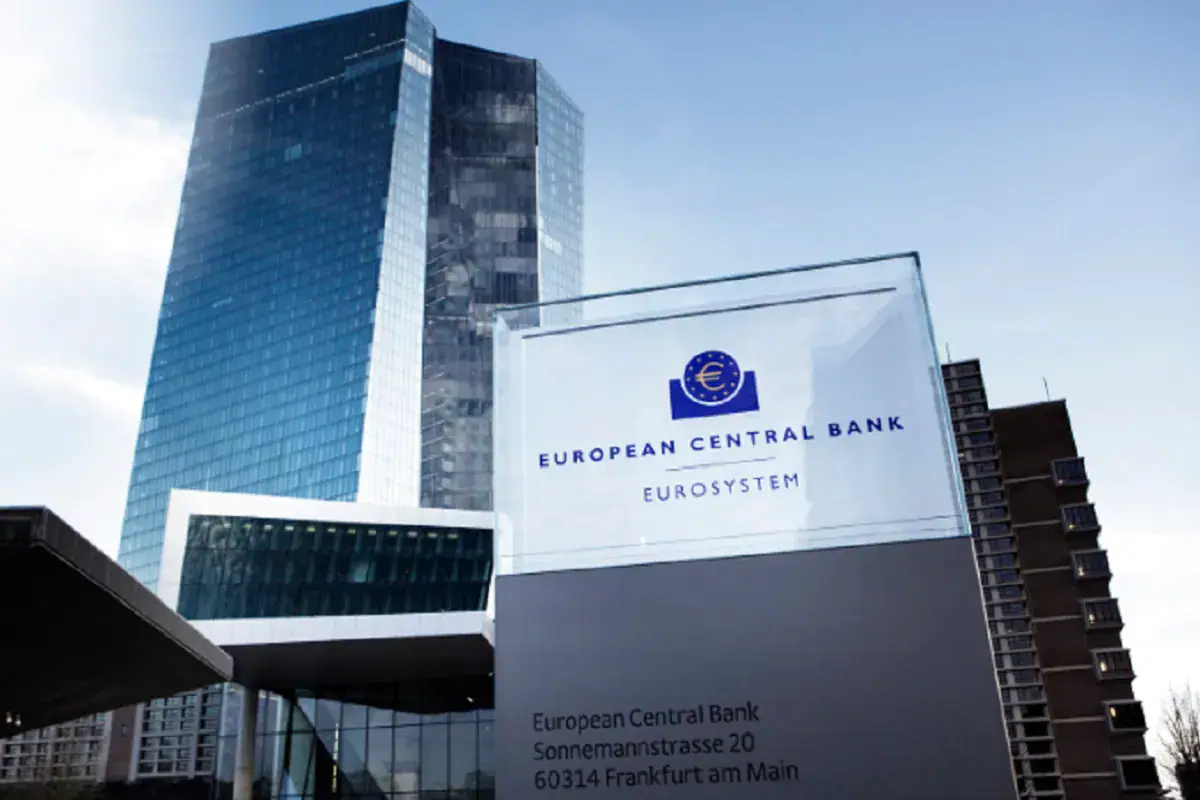
The European Central Bank (ECB) announced on Thursday, October 29, 2026, that it would maintain its key interest rate at 2.5%. This decision was widely expected by analysts and investors, following two rate hikes earlier in the year to combat inflation driven by rising energy prices and tensions in the Middle East. The ECB's move aligns with those of the US Federal Reserve and central banks in the Gulf region.
The ECB's decision was overshadowed by the announcement that its President, Christine Lagarde, would be departing earlier than expected, ahead of her scheduled departure in February 2027. Lagarde, who is 70 years old, will be leaving the ECB before the end of her term. The bank's governing council has not specified a replacement for Lagarde, but her departure has raised questions about the bank's future policy direction.
According to the ECB, financing conditions have tightened since September, which could slow down price growth but also hinder economic expansion. The bank's assessment of the economic situation suggests that the current interest rate is necessary to keep inflation in check. However, some analysts have expressed concerns that the rate could remain high for an extended period, potentially affecting economic growth.
The ECB's decision follows that of the US Federal Reserve, which also chose to maintain its interest rates unchanged. The Fed had raised its rates in September, and its decision to hold steady was seen as a sign that it would take a cautious approach to monetary policy. The ECB's move is also consistent with the actions of central banks in other regions, which have been taking steps to address inflationary pressures.
The ECB's interest rate decision has implications for the global economy, particularly for countries with significant trade ties to the European Union. Tunisia, for example, is a major trading partner with the EU and may be affected by the ECB's monetary policy decisions. The Central Bank of Tunisia (BCT) has been working to maintain economic stability, and its own interest rate decisions may be influenced by the ECB's actions.
Economists are closely watching the ECB's next moves, as the bank navigates the challenges of balancing inflation control with economic growth. The ECB's Governing Council will need to carefully consider the impact of its interest rate decisions on the broader economy, as well as the potential consequences of Lagarde's departure. The bank's future policy direction will be closely scrutinized by investors and analysts alike.
The ECB's decision to maintain its interest rate at 2.5% reflects the bank's cautious approach to monetary policy. With inflation still a concern, the ECB is likely to keep interest rates at their current level for the foreseeable future. However, as the global economy continues to evolve, the ECB may need to adjust its policy stance to address emerging challenges and opportunities.
Key points
- The European Central Bank has maintained its key interest rate at 2.5%, citing concerns over inflation and economic growth.
- ECB President Christine Lagarde will be departing earlier than expected, ahead of her scheduled departure in February 2027.
- The ECB's decision follows that of the US Federal Reserve, which also chose to maintain its interest rates unchanged.