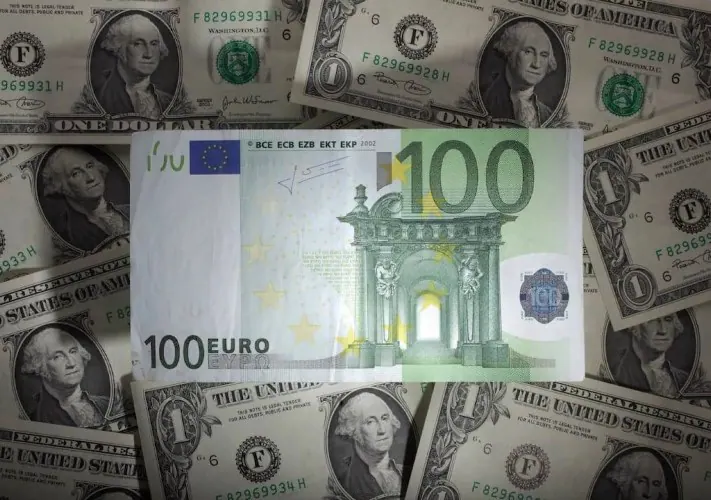
The euro is facing a new test against the dollar as energy risks and political pressures escalate in Europe. The shared currency has declined by nearly 2% in September to just below $1.14, compared to its approach to $1.20 in August. Rising oil and gas prices threaten to undermine the resilience of the European economy. According to Reuters, the euro is trading near its lowest levels of the year, affected by the strength of the dollar and expectations of higher energy prices.
Energy costs are a significant factor limiting the European currency's ability to continue its gains. Gas prices in Europe have exceeded €80 per megawatt-hour in September, the highest level since late 2022. The war in Iran has led to a bottleneck in liquefied natural gas shipments through the Strait of Hormuz, increasing market concerns about European energy supplies. Analysts believe that a decline in gas prices is a crucial condition for the euro to regain its upward momentum.
Political developments in the largest economies in the region are also putting pressure on the European currency. German Chancellor Friedrich Merz is facing the repercussions of the far-right's success in regional elections, which may impact the reform agenda he has pledged. In France, financial markets are under pressure due to concerns about rising public debt and political gridlock ahead of the 2027 presidential election.
The additional return that investors demand for holding 10-year French bonds compared to the highest-rated German bonds has increased to over 110 basis points, indicating a rise in the risk premium associated with France. Analysts at Bank of America estimate that every additional 10 basis point increase in this difference may be linked to a decline in the euro against the dollar of about 0.4%.
Despite the pressures, there are still factors supporting the European currency. Market participants are pricing in at least one interest rate hike in the eurozone this year, while the economy has shown resilience that exceeded expectations. The options market has turned more negative towards the euro, with three-month hedging contracts recording the largest weekly decline since the start of the war in Iran.
Rising oil prices to around $115 per barrel will increase pressure on the euro by strengthening growth concerns, according to Francesco Bisoli, currency analyst at ING. However, he notes that the continued adoption of tight monetary policies by central banks may prevent a sharp decline in the currency. Bisoli also mentions that the European Central Bank's forecast of the euro reaching $1.16 by the end of the year remains intact.
According to Kaspar Hense, senior portfolio manager at RBC BlueBay Asset Management, if energy prices remain at current levels, the euro may decline to around $1.12. The euro's performance is closely tied to developments in the energy market and politics in the region. As the European economy navigates these challenges, market participants will be closely monitoring the situation to assess the potential impact on the euro's value.
Key points
- The euro is under pressure due to rising energy costs and political risks in Europe.
- A decline in gas prices is seen as crucial for the euro to regain its upward momentum.
- The European currency may decline to around $1.12 if energy prices remain at current levels.