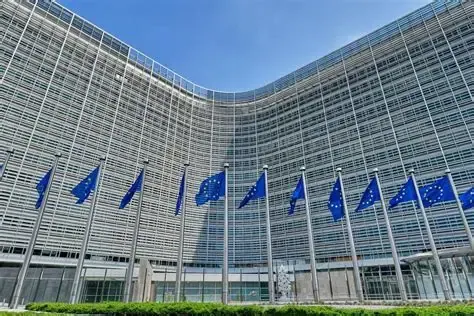
The European Union has denounced the Russian legislative elections held in occupied Ukrainian territories, stating that it will not recognize the polls or their results. According to a statement by the EU's chief diplomat, the elections, which took place from September 18 to 20, demonstrate the continued erosion of democracy in Russia. The EU's rejection includes the elections held in Crimea and Sevastopol, which were annexed by Moscow, as well as in the occupied parts of Donetsk, Luhansk, Zaporizhzhia, and Kherson regions.
The EU has condemned the elections, citing violations of international law, including the UN Charter, and Ukraine's independence, sovereignty, and territorial integrity. The bloc has also criticized the Russian authorities for excluding opposition forces, misusing administrative and judicial resources, and restricting access to independent information. The exclusion of candidates from the Yabloko party, one of the last opposition forces in Russia, further limited voter choice.
The European Union has accused Russia of failing to invite observers from the Organization for Security and Co-operation in Europe, a move that undermines the legitimacy of the elections. The EU has called for an immediate, total, and unconditional ceasefire in the Ukrainian conflict and the withdrawal of Russian military forces and equipment from Ukrainian territory.
This position is in line with the international community's stance, which refuses to recognize the legitimacy of Russian-installed administrations in the occupied regions since February 2022. The EU's rejection of the elections and its call for a ceasefire are part of its efforts to support Ukraine's sovereignty and territorial integrity.
The European Union has warned that individuals involved in the disputed elections will face sanctions. The bloc has reiterated its commitment to upholding international law and supporting democratic principles. The Russian elections in occupied Ukrainian territories have been widely criticized by the international community.
The conflict in Ukraine has resulted in significant human suffering and displacement, with many countries calling for a peaceful resolution. The EU's stance on the Russian elections is part of its broader efforts to address the crisis and support a peaceful solution.
The situation in Ukraine remains a pressing concern for the international community, with many countries urging a peaceful resolution to the conflict. The EU's rejection of the Russian elections and its call for a ceasefire are part of its efforts to support a peaceful and diplomatic solution to the crisis.
Key points
- The European Union has rejected the Russian legislative elections held in occupied Ukrainian territories, citing violations of international law.
- The EU has warned that individuals involved in the disputed elections will face sanctions.
- The bloc has called for an immediate, total, and unconditional ceasefire in the Ukrainian conflict and the withdrawal of Russian military forces and equipment from Ukrainian territory.