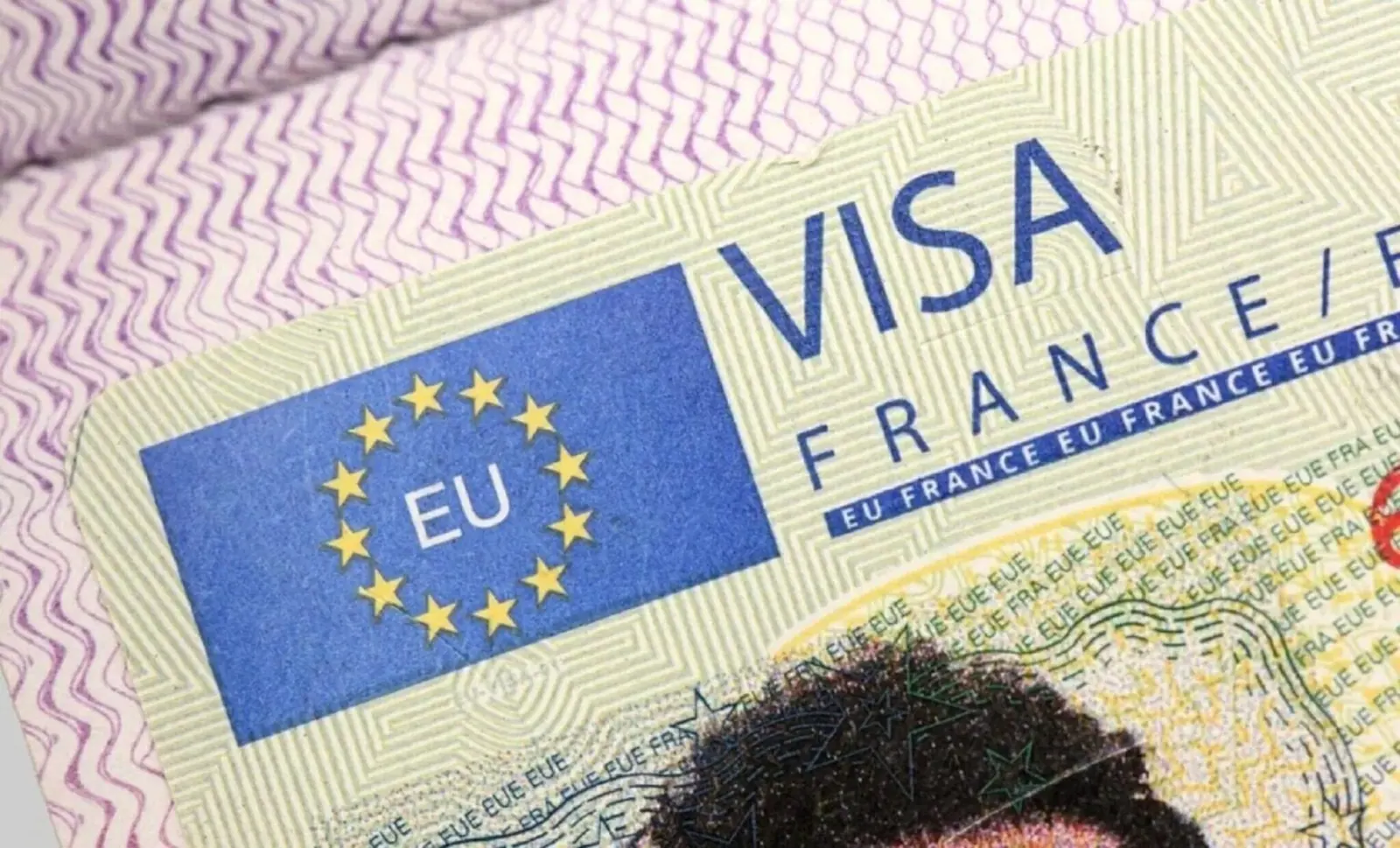
The European Union is set to introduce significant changes to its Schengen visa regulations. The proposed revisions aim to enhance the efficiency and security of the visa application process. According to a call for contributions published by the European Commission on September 8, 2026, the reforms will focus on improving the current visa code, which governs short-stay Schengen visas. The Commission's goal is to implement these changes through a legislative proposal expected in early 2027.
One of the key aspects of the proposed reforms is the potential introduction of additional fees for Schengen visa applicants. The European Commission is exploring the possibility of a surcharge that would be collected at the EU level and reinvested in the financing and modernization of the common visa policy. Currently, the Schengen visa fee stands at €90 for adults and €45 for children aged 6-11. These fees have been in effect since June 11, 2024.
The proposed reforms also aim to facilitate legitimate travel, particularly for economic actors. To achieve this, the EU is considering creating a register of reliable partner companies. Employees of these companies would benefit from a streamlined application process, including prioritized appointments, reduced processing times, and simplified documentation. This move seeks to make business travel more predictable and uniform across the European territory.
The EU's visa policy is also being viewed as a strategic and diplomatic tool. The current code allows for penalties against non-cooperative states on readmission of their nationals. However, the Commission has noted a lack of reactivity in this regard. To address this, the EU is planning more flexible and targeted responses to security threats, espionage, sabotage, and the instrumentalization of migrants. These restrictions will target specific categories of applications while maintaining exceptions for civil society, opposition figures, and humanitarian cases.
The revision of the visa code also aims to accompany the ongoing digital transition. The gradual digitalization of the Schengen visa grant requires updating the current rules to make them compatible with new information systems. This aligns with the Commission's roadmap from January 2026, which promotes digitalized procedures, interconnected computer networks, and facilitated issuance of multiple-entry visas with long validity for trusted profiles.
The proposed changes are currently under consultation with stakeholders, including users, professionals, and EU member states. The European Commission plans to submit its legislative proposal in the first quarter of 2027. The text will then need to go through the entire European parliamentary process before the new rules are officially applied.
The new rules are expected to bring significant changes to the Schengen visa application process. Key aspects of the reforms include the potential introduction of additional fees, streamlined procedures for certain applicants, and enhanced security measures. The changes aim to improve the efficiency and security of the visa application process while facilitating legitimate travel.
Key points
- The European Union is revising its visa code to introduce new fees, restrictions, and streamlined procedures for Schengen visas.
- The proposed reforms aim to enhance the efficiency and security of the visa application process.
- The changes are expected to facilitate legitimate travel, particularly for economic actors, while maintaining exceptions for civil society and humanitarian cases.