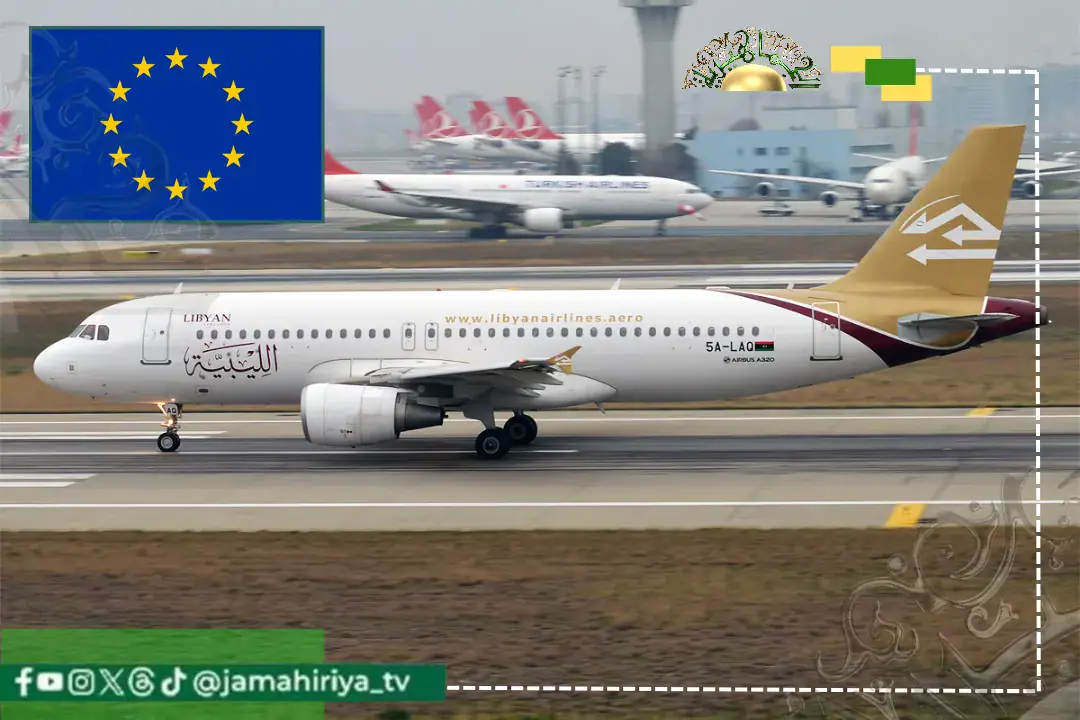
The European Union has decided to maintain a flight ban on 10 Libyan airlines, citing their failure to meet safety and regulatory requirements. The banned airlines include Afriqiyah Airways, Libyan Airlines, Libyan Wings, and others. This decision was made by the European Commission, which oversees aviation safety in the EU. The ban has been in place since December 2014 and has been periodically reviewed.
According to the European Commission, the Libyan Civil Aviation Authority has not provided sufficient evidence to address deficiencies in inspection and oversight of airlines. As a result, the Commission has chosen to maintain the ban on these airlines. The decision does not imply that all Libyan airlines have individual safety issues, but rather that the country's aviation oversight system is not functioning effectively.
The flight ban prohibits the listed Libyan airlines from operating flights to, from, or within the EU, as well as from flying over EU airspace. However, it does not restrict EU airlines from flying to or from Libya. The ban is a significant challenge for Libyan airlines, which had hoped to resume operations in the EU.
In June 2026, the Libyan authorities and the EU agreed on an action plan to address technical concerns and accelerate efforts to lift the ban. The plan aims to help Libyan airlines meet EU safety standards and restore their access to the European market. The agreement demonstrates a commitment to improving aviation safety in Libya.
The EU's aviation safety standards are among the highest in the world, and the Commission works closely with countries to ensure that their aviation systems meet these standards. The flight ban on Libyan airlines is part of the EU's efforts to maintain high safety standards and protect European citizens.
The banned airlines include Afriqiyah Airways, Libyan Airlines, Libyan Wings, Al Mahaa, Berniq, Al Brak, Global Air Transport, Hala Air, Libyan Avia, and Petro Air. These airlines will need to address the EU's concerns and demonstrate compliance with safety regulations before the ban can be lifted.
The EU's decision to maintain the flight ban on 10 Libyan airlines highlights the ongoing challenges facing Libya's aviation sector. The country's authorities will need to work closely with the EU to address safety concerns and restore access to the European market. The agreement on an action plan is a positive step towards resolving the issue.
Key points
- The European Union has maintained a flight ban on 10 Libyan airlines due to safety and regulatory concerns.
- The ban prohibits the listed airlines from operating flights to, from, or within the EU, as well as from flying over EU airspace.
- The Libyan authorities and the EU have agreed on an action plan to address technical concerns and accelerate efforts to lift the ban.
Reporting sources
- الاتحاد الأوروبي يُبقي الحظر الجوي على 10 شركات طيران ليبية · Aljamahiriya TV