European Union leaders are convening in Brussels for a two-day meeting to discuss the bloc's upcoming long-term budget. The negotiations are crucial, with a consensus still uncertain. A revised draft of the 2028-2034 budget has been introduced, proposing a €204 billion reduction in expenditure. This comes after the European Commission's initial proposal of a €2 trillion budget. The goal is to bridge the significant divide among member states.
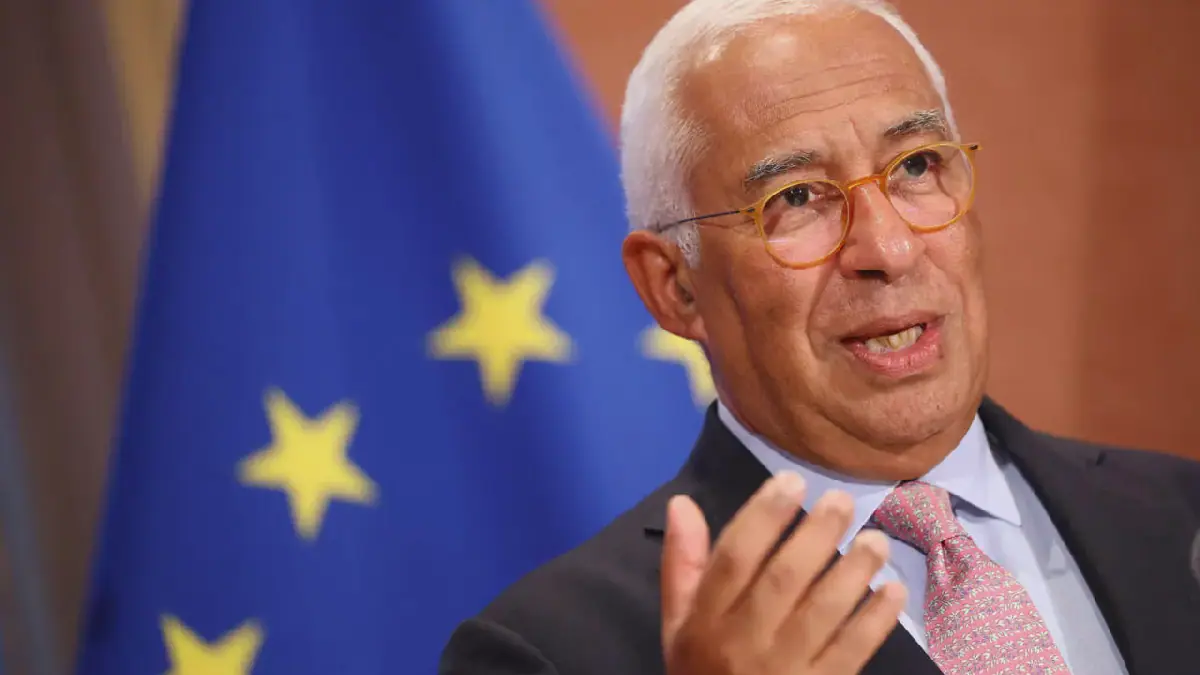
The revised budget proposal includes a new tax on large digital firms from online services, with a 3 per cent levy on their annual turnover. Additionally, the possibility of taxing crypto-assets is being considered. European Council President António Costa believes this adjusted plan will allow the EU to function effectively while keeping national contributions within "reasonable limits." The proposal aims to address the concerns of various member states.
However, not all member states are satisfied with the proposal. France has expressed disappointment, claiming it fails to ensure adequate income support for farmers under the Common Agricultural Policy. In contrast, Germany feels the cuts are insufficient, with Chancellor Friedrich Merz labelling the proposed increase in the EU budget as "excessive." Sweden has also cautioned that a compromise remains distant.
The European Parliament has rejected the scaled-back budget, arguing it does not sufficiently address priorities like defence, security, and competitiveness. The EU is currently finalising its 2027 budget, which involves €199.7 billion in commitments and €211.5 billion in payments. This budget was formally adopted by the Council on 23 November and approved by the European Parliament on Wednesday.
The upcoming long-term budget will dictate EU spending for the next seven years across areas including agriculture, regional development, defence, climate policy, and migration. Leaders are hoping to make headway this week and reach an agreement at their summit scheduled for 17-18 December. A deal is crucial, as France's political situation increases the pressure.
French President Emmanuel Macron has warned that negotiations cannot extend past December without a deal, raising the possibility of a delayed agreement until after the presidential election next spring. Costa faces the challenge of convincing northern member states that budget cuts can happen without undermining the EU's objectives, while assuring France that its farmers will not bear the brunt of the cuts.
The outcome of the negotiations will have significant implications for the EU's future spending and policies. Key areas of focus include digital taxation, agricultural subsidies, and overall budget expenditure. The negotiations will be closely watched, as a delayed or inadequate budget agreement could have far-reaching consequences for the EU and its member states.
Key points
- A new tax on large digital firms from online services is being proposed as part of the EU's long-term budget.
Reporting sources
- Digital Tax and Agricultural Subsidies at Stake as EU Budget Negotiations Resume · sierraleonetoday.co.com