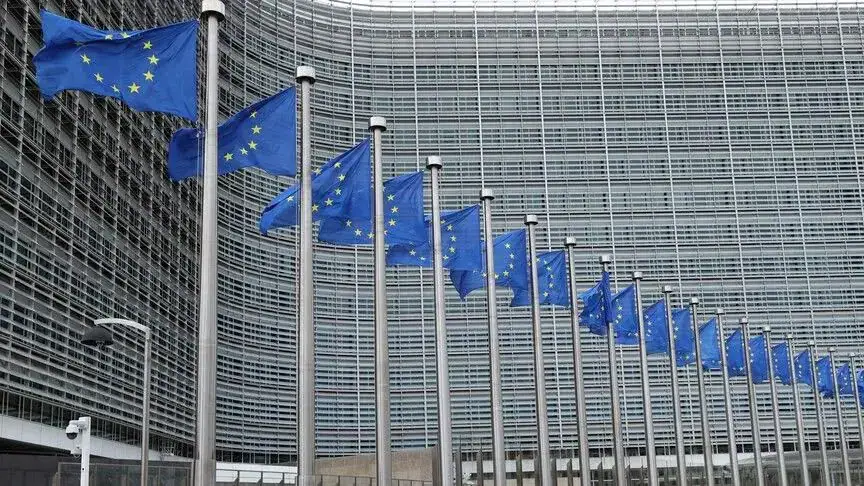
The European Union's decision to reject the final agreement at COP31 in Türkiye has drawn criticism due to its reluctance to commit to phasing out fossil fuels. The EU's stance contrasts with its recent decision to postpone certain obligations related to methane emissions. This move has highlighted the tensions between the EU's climate ambitions and its energy priorities. The European Commission's decision to delay these obligations has been justified as a measure to ensure energy security.
The compromise text, developed by Türkiye and Australia, failed to gain consensus due to opposition from the EU and several oil-producing countries, including Saudi Arabia. European Commissioner for Climate Wopke Hoekstra stated on November 21 that the EU preferred not to reach an agreement rather than accept a compromise it deemed insufficient. This stance has sparked concerns about the EU's commitment to addressing climate change.
The European Parliament and the Council of the EU reached a provisional agreement on November 19 to delay certain methane-related obligations by two years. The requirements for monitoring and reporting for crude oil, natural gas, and coal importers will now apply from January 1, 2029, instead of 2027. Other reporting obligations have been postponed to 2030. The Commission cited risks to energy security and market tensions as reasons for the delay.
The EU's dual position has highlighted the challenges it faces in balancing its emission reduction goals with its energy needs and economic concerns. The ongoing dependence on fossil fuels, energy costs, and industrial competitiveness have influenced the EU's decisions. Discussions have also revealed disagreements on climate financing, with the EU showing reluctance to provide additional resources to developing countries to address climate change consequences.
The EU's stance has been criticized for not providing sufficient support to developing countries in their efforts to mitigate and adapt to climate change. The bloc's emphasis on energy security and economic concerns has raised questions about its commitment to leading global climate action. The COP31 negotiations have underscored the complexities of balancing climate goals with energy needs and economic priorities.
The Turkish-Australian compromise text had aimed to address the concerns of various countries, but ultimately failed to gain consensus. The EU's opposition, along with that of oil-producing countries, has highlighted the difficulties in reaching a unified agreement on climate action. The outcome of COP31 has sparked concerns about the pace and ambition of global climate efforts.
The EU's climate ambitions and energy priorities will continue to be scrutinized in the lead-up to future climate negotiations. The bloc's ability to balance its emission reduction goals with its energy needs and economic concerns will be crucial in determining its credibility as a global climate leader. The outcome of COP31 has emphasized the need for increased ambition and cooperation to address the pressing issue of climate change.
Key points
- The EU's decision to delay methane-related obligations has been justified as a measure to ensure energy security.
Reporting sources
- COP31 : l’UE critiquée pour ses positions sur les énergies fossiles et le méthane · Agence malienne de presse et de publicité