The European Union's foreign policy chief, Kaja Kallas, has strongly criticized the United States for lifting sanctions on Russian diesel, saying it would provide Moscow with additional revenue to finance its war against Ukraine. In a social media post on October 10, 2026, Kallas expressed her concerns, stating that now was not the time to ease pressure on Russia. She also recalled recent deadly Russian strikes in Ukraine and condemned Moscow's intensifying hybrid attacks on European countries and NATO allies.
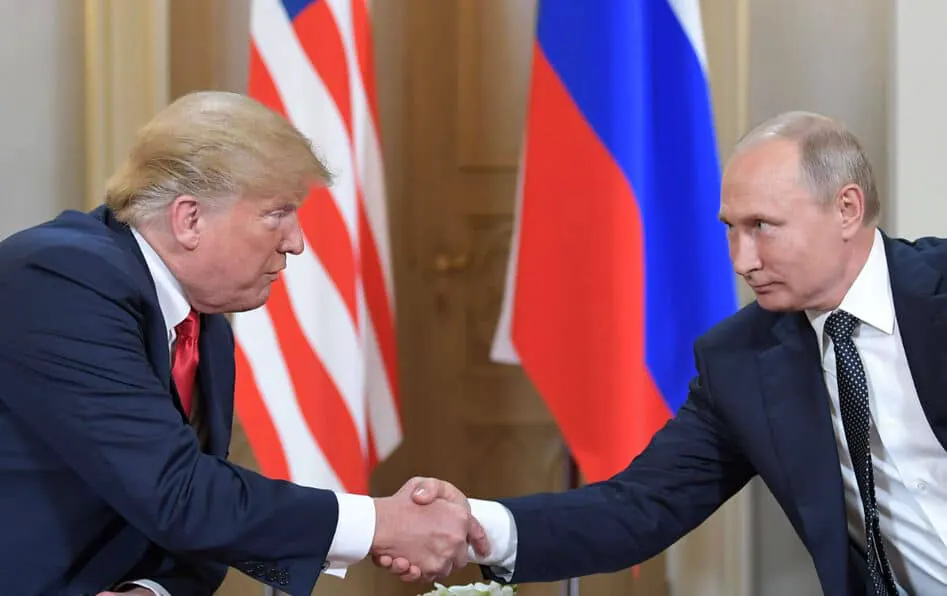
The criticism from Kallas came in response to an announcement by former US President Donald Trump on October 9, 2026, that the US had negotiated a deal to supply large quantities of Russian diesel to American and global markets. This move was seen as an easing of sanctions against Russia, sparking outrage from Ukrainian President Volodymyr Zelensky, who described it as "undignified." The Ukrainian government has been vocal in its opposition to any measures that might benefit Russia.
In contrast to the US decision, the European Union reaffirmed its commitment to maintaining pressure on Moscow. EU foreign ministers are set to officially add around 1,600 names to the list of individuals and entities sanctioned due to the war in Ukraine. The bloc has emphasized its determination to prevent any actions that could be seen as supporting Russia's military efforts.
The European Commission has also called for a truce targeting infrastructure in both Ukraine and Russia, highlighting the need to protect global food supplies and energy infrastructure. The Commission warned about the risks associated with dependence on Russian hydrocarbons, stressing that Europe did not want to contribute to financing Russia's war against Ukraine.
The divergence between Washington and Brussels on this issue underscores tensions surrounding the policy of sanctions against Moscow and their impact on international energy markets. The EU's stance reflects its concerns about the potential consequences of easing sanctions on Russia, particularly in light of the ongoing conflict in Ukraine.
Kallas's comments and the EU's position highlight the complexities of international diplomacy and the challenges of coordinating policies among allies. The situation remains fluid, with ongoing discussions about the best approach to address Russia's actions in Ukraine. The global community continues to grapple with the implications of the conflict and the most effective ways to respond.
As the situation develops, the European Union and its allies will likely continue to navigate the complexities of their relationships with Russia and the United States. The goal remains to find a solution that addresses the humanitarian and security concerns arising from the conflict in Ukraine while also considering the economic and energy interests of various nations.
Key points
- The EU has denounced the US decision to lift sanctions on Russian diesel, citing concerns that it will provide Moscow with additional revenue to finance its war efforts in Ukraine.