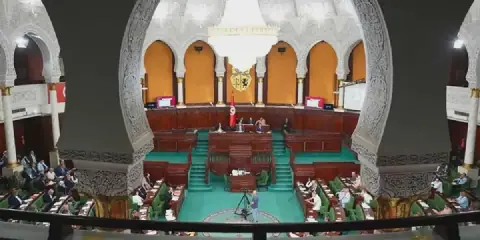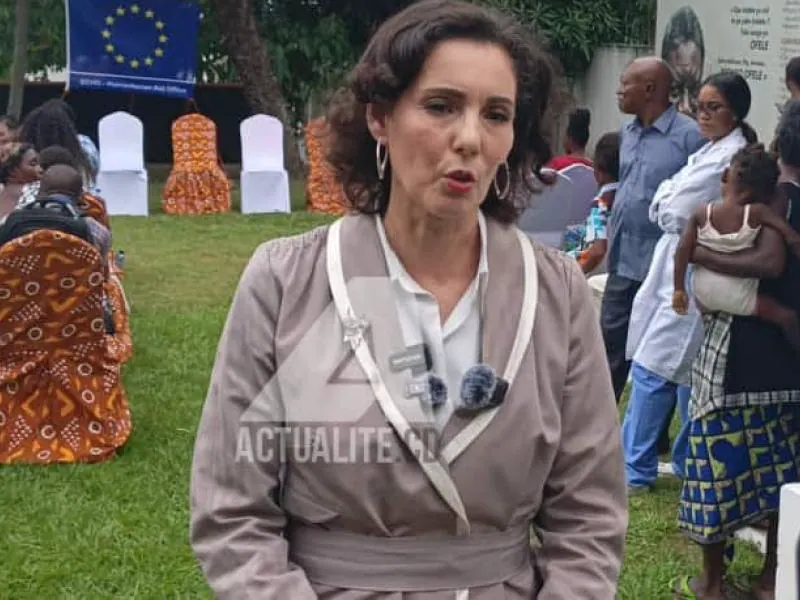
European Commissioner for Equality, Crisis Preparedness, and Humanitarian Aid, Hadja Lahbib, addressed the 81st United Nations General Assembly in New York, highlighting the significance of humanitarian diplomacy in achieving peace in Eastern Democratic Republic of Congo (DRC). She emphasized the urgent need to strengthen protection for civilians and humanitarian workers, as well as ensure access to aid for populations affected by conflict.
Lahbib recently visited the Great Lakes region, including Kinshasa, Burundi, Rwanda, and Goma, to promote humanitarian diplomacy. Her mission aimed to improve the delivery of humanitarian aid, and she noted that these efforts have led to tangible results. During her visits, she met with various stakeholders, including government officials, humanitarian workers, and representatives of civil society, to stress the importance of respecting international humanitarian law.
The European Commissioner's message to all parties involved was clear: respect international humanitarian law, protect civilians and humanitarian workers, and allow humanitarian aid to reach those in need. Her diplomatic efforts have contributed to the establishment of several humanitarian corridors in the Great Lakes region and Eastern DRC. A corridor between Beni and Goma has been opened, and another between Bukavu and Uvira has been agreed upon.
Lahbib also expressed concerns about the challenges facing the international system designed to protect civilians. She noted that multilateral institutions are weakened, and respect for international humanitarian law is under pressure. The Commissioner stressed that these rules are essential for protecting populations in times of crisis and must be upheld.
The humanitarian situation in Eastern DRC remains dire, with ongoing violence causing displacement and increasing risks for civilians. Despite diplomatic initiatives, such as the Washington process and the Doha process, the crisis persists. The 17th Ebola outbreak in DRC has added to the challenges, with the province of Ituri being a particular concern.
In January 2026, the DRC government and the humanitarian community launched an appeal for $1.4 billion in funding to address the needs of millions of Congolese, particularly in the east. However, the response has been hampered by funding constraints, with the humanitarian plan aiming to assist 7.3 million of the most vulnerable people.
According to OCHA/RDC, the evaluation of humanitarian needs in DRC has now reached $18.5 million. The humanitarian situation in Eastern DRC requires sustained attention and support to address the complex challenges facing the region.
Key points
- EU Commissioner Hadja Lahbib emphasizes the importance of humanitarian diplomacy in achieving peace in Eastern DRC.
- Humanitarian corridors have been established in the Great Lakes region and Eastern DRC to facilitate aid delivery.
- The international system designed to protect civilians faces significant challenges, including weakened multilateral institutions and pressure on international humanitarian law.