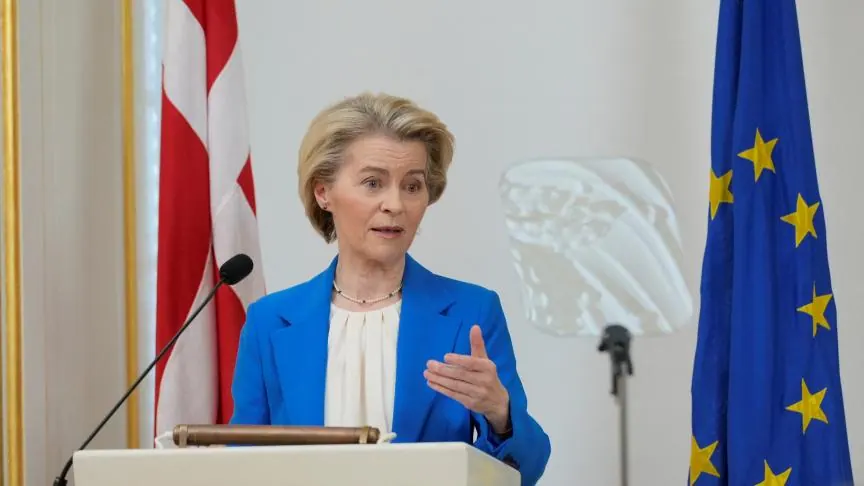
On October 6, 2026, European Commission President Ursula von der Leyen called on European Union member states and the European Parliament to enhance energy resilience in the face of rising gas and oil prices. This appeal was made through a combination of short-term support measures and investments in clean energy. The urgency of the situation was emphasized by the significant increase in energy costs, which affects both households and businesses.
Von der Leyen highlighted the severity of the situation by noting that the price of gas had surged by 140% since late February, while diesel prices had doubled. In response, she advocated for a tailored approach that considers the unique realities of each member state's energy market. This approach includes extending temporary state aid to industries most exposed to high energy costs and implementing targeted measures to support vulnerable households.
To address immediate supply concerns, the G7 countries have agreed to release 100 million additional barrels of oil into the market to help stabilize global prices. Furthermore, the European Commission plans to initiate a strategic dialogue on European refineries and establish a new task force focused on energy demand. The long-term goal is to facilitate joint purchases on a European scale and reduce dependence on imported fossil fuels.
The European Union has made significant strides in reducing its reliance on Russian gas, with imports dropping from 45% four years ago to about 12% currently, aiming for zero by the end of the year. Additionally, over 70% of the EU's electricity now comes from sources within the union, primarily renewable energy and nuclear power. These efforts are part of a broader strategy to enhance energy security and sustainability.
Looking ahead, the European Commission aims to strengthen electrical grids and double the share of electricity in final energy consumption by 2040. This transition is expected to yield substantial economic benefits, including a reduction of €260 billion per year in fossil fuel import expenditures. Such changes are crucial for achieving long-term energy resilience and sustainability goals.
The European Commission's proposals also emphasize the need for a coordinated response to the energy crisis, taking into account the diverse energy landscapes across member states. By combining immediate relief measures with long-term investments in clean energy, the EU seeks to mitigate the impact of rising energy prices on its economy and citizens.
The call for enhanced energy resilience comes as part of a broader effort to address global energy challenges. The situation in the Democratic Republic of the Congo and other regions highlights the importance of stable and sustainable energy supplies. As the EU continues to navigate these challenges, its strategies will likely have significant implications for global energy markets.
Key points
- EU Commission President Ursula von der Leyen calls for enhanced energy resilience.
- The EU aims to reduce its dependence on imported fossil fuels.
- The European Commission plans to double the share of electricity in final energy consumption by 2040.