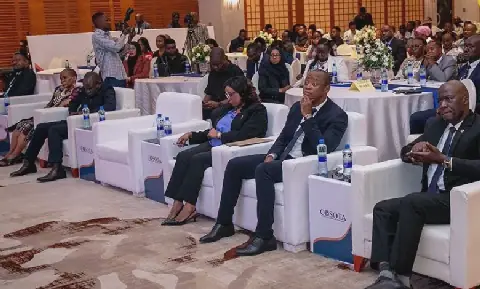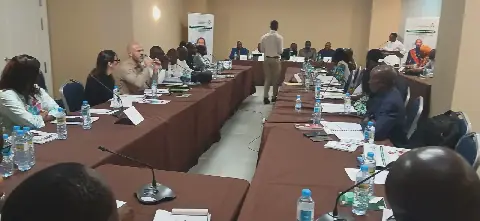
The Ethiopian government has partnered with the Mohamed bin Zayed Foundation for Humanity to improve healthcare services across the country. The $342.4 million initiative will equip 120 health facilities with essential medicines, medical equipment, and lifesaving technologies over the next three years. This partnership aims to improve reproductive, maternal, newborn, and child health services across Ethiopia. The initiative was announced during the International Conference on Public Health in Africa in Addis Ababa.
The Mohamed bin Zayed Foundation for Humanity has committed $135 million to strengthen access to essential medicines, equipment, and medical technologies across nine African countries. Ethiopia is one of the countries that will benefit from this initiative, with the Foundation pledging $20 million to the country’s Reproductive, Maternal, Newborn and Child Health (RMNCH) Compact. This commitment helped mobilize an additional $151.2 million from development partners, which was matched by the Ethiopian government.
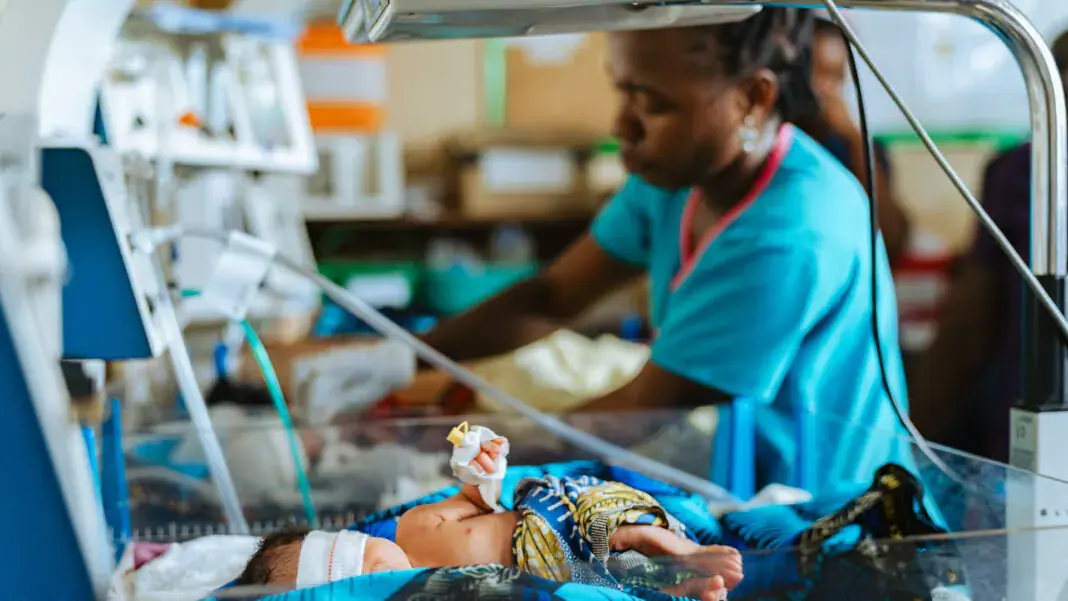
The funding will support improvements in healthcare delivery, particularly for pregnant women, newborns, and children. The programme will address shortages of essential medical supplies and strengthen the capacity of health facilities. Planned investments include artificial intelligence-enabled ultrasound equipment to help healthcare professionals identify pregnancy-related complications and respond more quickly during childbirth. The programme will also provide antibiotics to reduce the risk of infections, including sepsis.
Ethiopia’s Minister of Health, Dr. Mekdes Daba, said the partnership reflects the government’s commitment to improving reproductive, maternal, newborn, and child health. The RMNCH Compact introduces a partnership model based on shared investment and mutual accountability, intended to improve the availability of essential medicines and health commodities while strengthening services relied upon by women and children.
The Foundation’s wider $135 million commitment is expected to attract more than $550 million in additional financing from partner governments and development partners. Participating governments are expected to contribute at least an equivalent amount of funding, creating a co-financing model designed to increase the sustainability and impact of healthcare investments. This initiative comes amid persistent shortages of essential medical supplies across Africa.
According to the Foundation, only 35 percent of essential medicines are available in public health facilities across the continent, while fewer than one-third of facilities have the equipment needed to conduct basic diagnostic tests. The shortages frequently contribute to treatment delays and limit the ability of healthcare professionals to provide timely and effective services, particularly in maternal and newborn care.
Foundation Director General Dr. Shamma Khalifa Al Mazrouei emphasized that access to essential medicines and equipment is critical to enabling skilled health workers to save lives. She highlighted that partnerships with governments are necessary to ensure healthcare facilities have reliable supplies and technologies to improve patient outcomes. Beyond Ethiopia, Rwanda will receive a $15 million commitment to equip 170 health facilities, while the Foundation has pledged $10 million to strengthen maternal, newborn, and child healthcare services in Liberia.
Key points
- The partnership aims to improve reproductive, maternal, newborn, and child health services across Ethiopia by equipping 120 health facilities with essential medicines, medical equipment, and lifesaving technologies.
- The initiative is part of a broader healthcare investment announced by the Mohamed bin Zayed Foundation for Humanity, which has committed $135 million to strengthen access to essential medicines, equipment, and medical technologies across nine African countries.
- The funding will support improvements in healthcare delivery, particularly for pregnant women, newborns, and children, by addressing shortages of essential medical supplies and strengthening the capacity of health facilities.