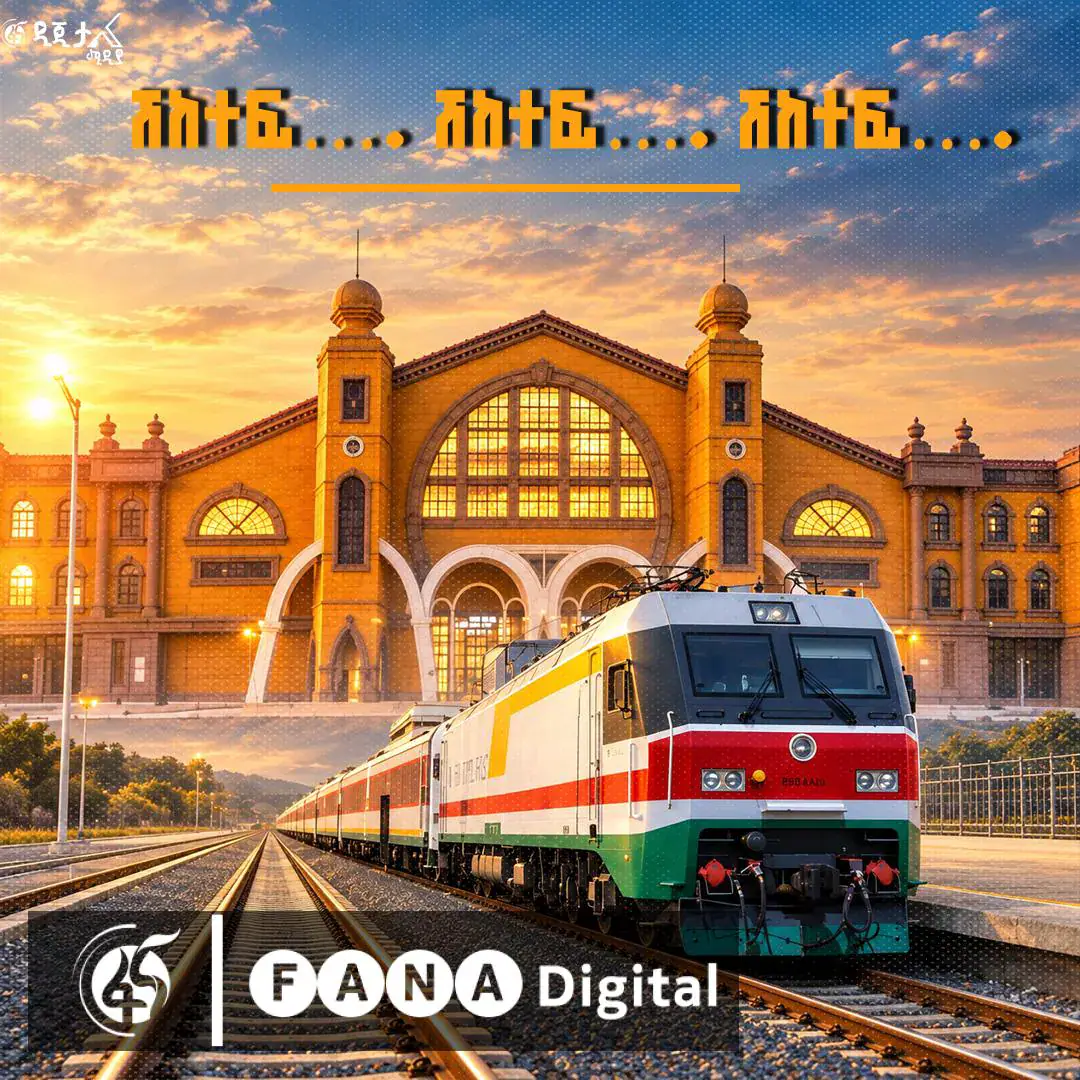
The Ethiopian railway, a historic link between Addis Ababa and Djibouti, has been a steadfast presence for nearly a century. Its distinctive sound, a rhythmic chugging along the metal tracks, evokes a sense of nostalgia and longing. As the train chugs along, it carries with it the memories of generations past, a testament to the enduring power of this iron road. From its humble beginnings to its current modern incarnation, the railway has played a vital role in shaping the country's history and identity.
The birth of the railway in Dire Dawa, a city that owes its existence to the railway, is a fascinating story. As the train began to chug along the tracks, it brought with it a influx of people from diverse backgrounds, including merchants, workers, and travelers from across Ethiopia and beyond. The city quickly took shape, with its unique blend of cultures, languages, and cuisines. The railway station became a melting pot, where people from different walks of life came together, exchanging stories, ideas, and experiences.
The railway has also played a significant role in Ethiopian music, with numerous songs featuring the train as a symbol of love, longing, and nostalgia. In many of these songs, the train is personified, carrying messages of love and separation, its rhythmic chugging a metaphor for the heartbeat of the nation. The train's impact on Ethiopian culture cannot be overstated, with its image and sound woven into the fabric of the country's identity.
However, the railway's significance extends beyond its cultural impact. As a vital transportation artery, it has played a crucial role in facilitating trade and commerce between Ethiopia and Djibouti. The train carries a wide range of goods, including essential commodities such as salt and foodstuffs, which are essential to the country's economy. Its importance cannot be overstated, with the railway serving as a lifeline for the country's economic development.
In recent years, the Ethiopian railway has undergone significant modernization, with the introduction of a new electric train that has greatly increased efficiency and speed. The new train, which runs on electric power, is a far cry from its steam-powered predecessor, with its sleek design and quiet operation a testament to modern technology. Despite these changes, the railway remains a powerful symbol of connection between Ethiopia and Djibouti, a tangible link between the two nations.
As the railway continues to evolve, it remains an essential part of Ethiopia's economic and cultural landscape. Its impact on the country's development cannot be overstated, with the train serving as a vital transportation link between the country's interior and the port of Djibouti. As the country looks to the future, the railway is set to play an increasingly important role, facilitating trade, commerce, and cultural exchange between Ethiopia and its neighbors.
Today, the railway remains a potent symbol of nostalgia and progress, a testament to the enduring power of this iron road. As the train chugs along the tracks, it carries with it the memories of generations past, while also forging a new path forward, one that is marked by progress, development, and connection. The railway's legacy continues to inspire, a reminder of the transformative power of infrastructure and the importance of preserving cultural heritage.
Key points
- The Ethiopian railway has played a significant role in shaping the country's history and identity, serving as a vital transportation artery and cultural symbol.