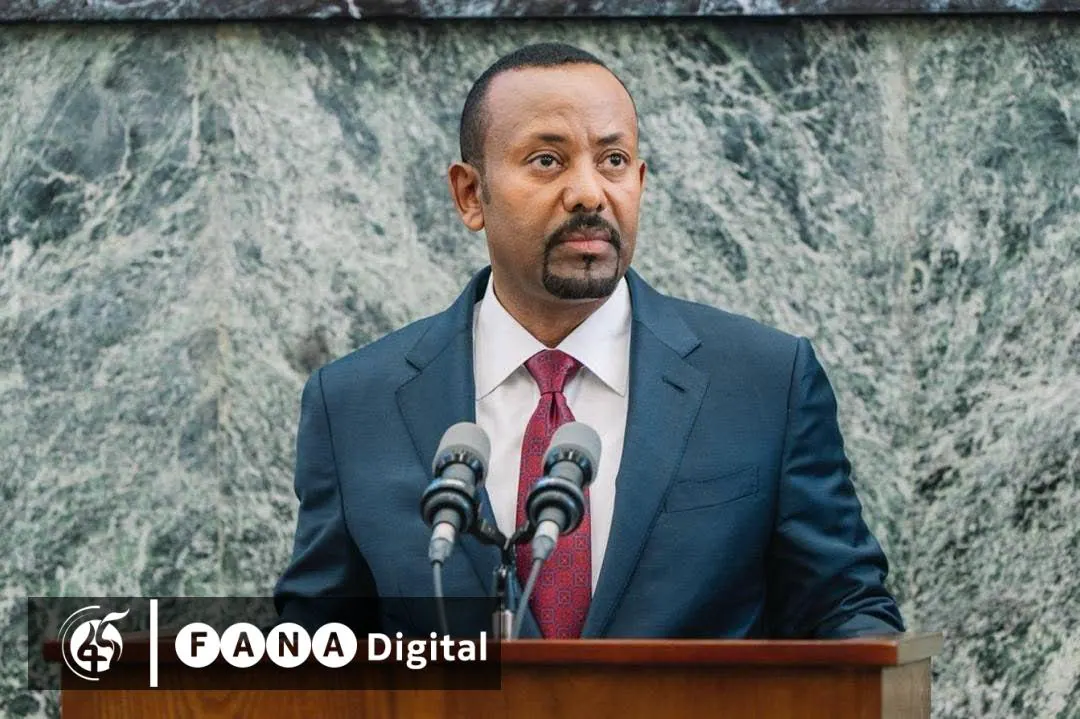
On October 6, 2026, not available, but on September 26, 2019, Prime Minister Abiy Ahmed was re-elected as Ethiopia's Prime Minister during the 7th session of the House of Peoples' Representatives. In his address, he outlined strategic directions for the next five years, detailing the country's overall path of change in politics, economy, diplomacy, and security. These strategic decisions have far-reaching national and regional implications for the country's long-term growth and stability.
The Prime Minister's strategic directions focus on achieving sustainable peace and stability in the country. A planned constitutional reform aims to address long-standing political grievances and disputes, promoting an inclusive national dialogue. This reform is expected to enhance democratic institutions and strengthen the rule of law. By doing so, the government hopes to create a stable foundation for the country's development.
Ethiopia's diplomatic efforts are also set to intensify, with a focus on securing access to sea ports and enhancing regional ties. The country's geographical location in the Horn of Africa makes its diplomatic and economic relationships crucial. By strengthening its diplomatic presence and negotiating with neighboring countries, Ethiopia aims to ensure its economic security and promote regional cooperation.
The government plans to prioritize macroeconomic reforms, including the completion of ongoing reforms and increasing agricultural productivity. These efforts aim to attract foreign investment, stabilize the market, and reduce the country's reliance on food aid. By achieving food sovereignty, Ethiopia can ensure sustainable food security and reduce its dependence on external assistance.
The Prime Minister's strategic directions also emphasize modern urban development, digitalization, and good governance. Initiatives such as corridor development, riverbank projects, and a national digital identification program aim to improve citizens' living standards and enhance service delivery. A strong anti-corruption campaign is also underway, aiming to reduce corruption and increase public trust in government.
The government's focus on national unity and political dialogue is another key aspect of its strategic directions. By fostering cooperation with opposition parties and promoting inclusivity, the government aims to create a more stable and constructive political environment. This approach is expected to help address internal and external challenges and promote national development.
The strategic directions outlined by Prime Minister Abiy Ahmed aim to establish Ethiopia as a stable and influential country in the region, with a strong economy and security structure. By pursuing these goals, the government hopes to create a prosperous and peaceful future for its citizens, addressing the country's historical challenges through democratic and constitutional means.
Key points
- The strategic directions focus on achieving sustainable peace and stability in the country.
- The government plans to prioritize macroeconomic reforms and increase agricultural productivity.
- The Prime Minister's strategic directions emphasize modern urban development, digitalization, and good governance.