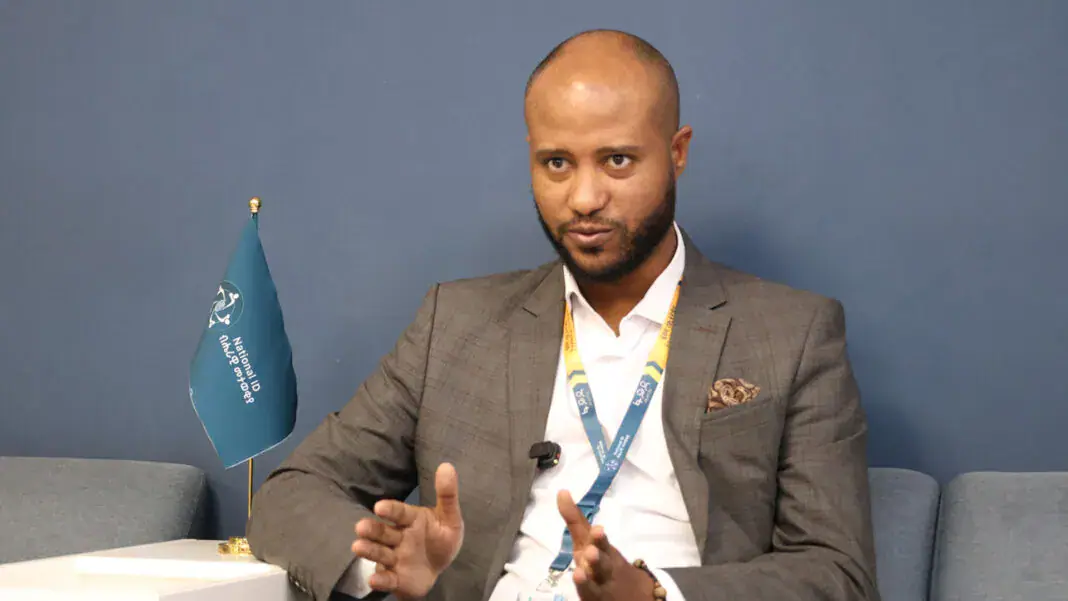
Ethiopia's national digital ID programme has successfully registered more than 52 million citizens since its inception. The programme, formerly known as the National ID programme, has been renamed FaydaVerse to reflect its expanded role in digital identity services and infrastructure development. This change in name is a result of the programme's growth beyond its initial mandate of issuing national IDs. FaydaVerse has also joined Ethiopian Investment Holdings as a government development organisation.
The decision to change the name was driven by the programme's increasing demand for identity verification and other digital services. According to Saminas Seifu, Stakeholder Engagement Director at FaydaVerse, the institution can now provide solutions beyond registration, including consultancy and implementation of digital infrastructure systems. The programme has attracted interest from over 150 institutions seeking to work with FaydaVerse. This expansion aims to provide a broader range of services, including digital registration, credential wallets, and citizen wallets.
The national ID registration process has been made accessible across the country, with registration machines initially numbering fewer than 100, but now totalling 15,000. FaydaVerse has partnered with private-sector institutions, including Safaricom, ABH, and BlueSpark, to expand registration in rural areas. Registration has been widely implemented in cities such as Addis Ababa, Dire Dawa, and Harar. The programme is designed to be inclusive, allowing people with disabilities, homeless individuals, and those without residence identification documents to register by providing witnesses.
The introduction of identity verification fees is a new development for FaydaVerse. As of August 2026, the institution began charging for identity verification services. This decision was made to sustain the digital infrastructure needed for identity authentication, which is considered a utility service. The fees were determined with reference to international practices and are intended to cover basic operating costs. This move aims to reduce fraud and limit the risks associated with identity verification.
The expansion of FaydaVerse's services extends beyond Ethiopia's borders. The institution has received interest from countries such as Zambia and Mozambique, which are looking to develop their digital public infrastructure. FaydaVerse provides services tailored to the needs of these countries, including consultancy, system deployment, and assistance with technology procurement. This cooperation can lead to commercial partnerships and investments, further solidifying FaydaVerse's role in digital identity services.
FaydaVerse's future plans include continued expansion of its digital public infrastructure services. These services will include digital registration, credential wallets, citizen wallets, digital signing, and stakeholder engagement. The institution aims to develop digital infrastructure for public services, further enhancing the country's digital landscape. With its growing role in digital identity services, FaydaVerse is poised to play a significant part in Ethiopia's digital development.
The introduction of fees for identity verification has raised concerns about financial inclusion. However, research indicates that the national ID programme has enabled millions of people to obtain identification and access banking services. The system is designed to reduce costs and prevent fraud, and citizens are not charged for receiving their national ID. The fees charged for identity verification are intended to be minimal, covering only basic operating costs.
Key points
- FaydaVerse has registered over 52 million citizens and is expanding to provide identity verification and other digital public infrastructure services.
- The institution has introduced fees for identity verification services, which are intended to sustain the digital infrastructure needed for identity authentication.
- FaydaVerse is expanding its services beyond Ethiopia's borders, with interest from countries such as Zambia and Mozambique.