For months, pupils in Accra schools dutifully sorted their rubbish into organic waste and plastics, aiming to reduce landfill waste. However, the effort was undone when collection trucks arrived, dumping all waste together. Habiba Kotomah, Education Director for La Dade Kotopon Municipality, expressed frustration, stating that despite schools' efforts, trucks mixed the waste, leading to discouragement among students.
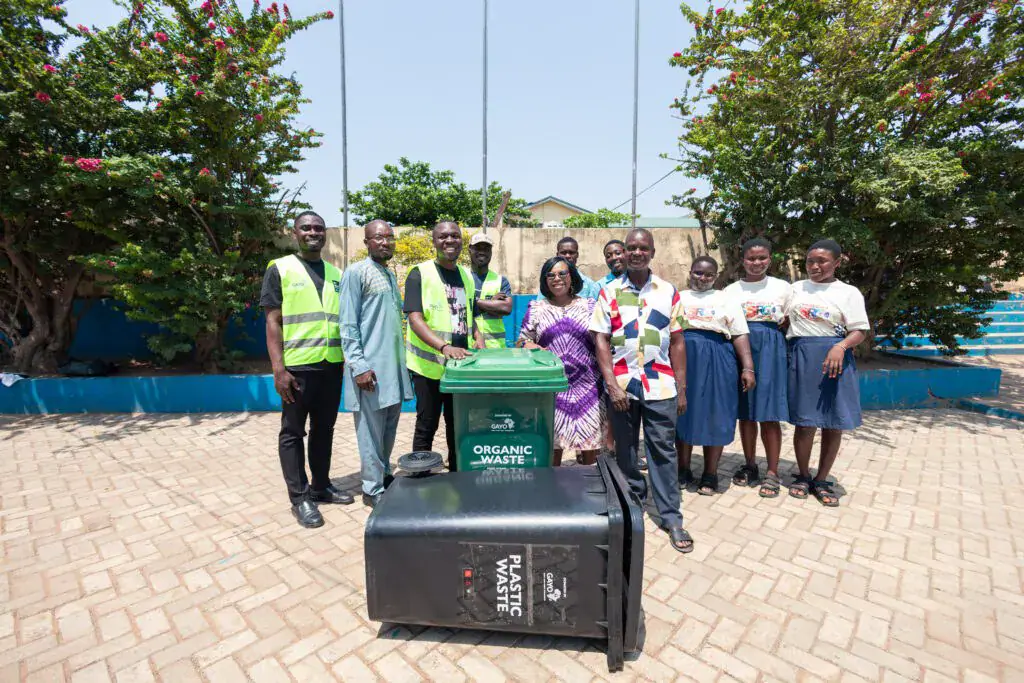
The Green Africa Youth Organization (GAYO) has partnered with metropolitan, municipal, and district assemblies (MMDAs) and schools in seven Greater Accra municipalities to implement its Zero Waste initiative. GAYO will collect separated organic and plastic waste directly from participating schools, bypassing municipal trucks that mix the waste. As part of the rollout, 200 bins, 300 books, pens, and educational flyers will be distributed to schools.
GAYO's Operations and Programs Director, Betty Agyei, emphasized the importance of initiating waste sorting at a young age, especially with a government directive approaching requiring households to separate waste by 2027. The program aims to educate students on proper waste disposal and provide a potential source of internally generated funds for schools through token payments for collected waste.
Under the initiative, collected organic waste will be composted for use in school gardens, while plastics are sent to GAYO's material recovery facility to be processed into pellets. Habiba Kotomah expressed satisfaction that schools will generate funds from the separated waste collection, encouraging continued participation in the program.
A similar waste management model is already operational at the municipal level, with the La Dade Kotopon Municipal Assembly's material recovery facility diverting over 50 tonnes of waste monthly. GAYO plans to extend the schools initiative to markets and other municipalities, promoting waste segregation and management across Greater Accra.
The program covers La Dade Kotopon, Ledzokuku, Accra Metropolitan, and Ablekuma West, among other municipalities. Each participating school will receive two bins to facilitate waste separation at the point of disposal. GAYO's initiative seeks to address the challenges faced by schools in implementing effective waste management practices.
With the government's 2027 deadline for household waste sorting approaching, GAYO's initiative aims to create a sustainable waste management culture in Accra's schools, with potential for expansion to other areas. The program's success will depend on effective implementation, community engagement, and the impact of token payments on schools' internally generated funds.
Key points
- GAYO to collect separated waste directly from Accra schools.
- Government directive requires household waste sorting by 2027.
- Initiative aims to educate students on proper waste disposal and generate funds for schools.