Renewed fighting in northern Ethiopia poses a significant threat to the country's economic recovery, which was already highly exposed to trade and investment disruptions. The conflict, which has spread into areas critical to Ethiopia's main trade route to the Red Sea, could undermine the country's efforts to attract foreign capital, boost exports, and rebuild its foreign-exchange reserves. Ethiopia is currently pursuing an economic reform programme backed by the International Monetary Fund.
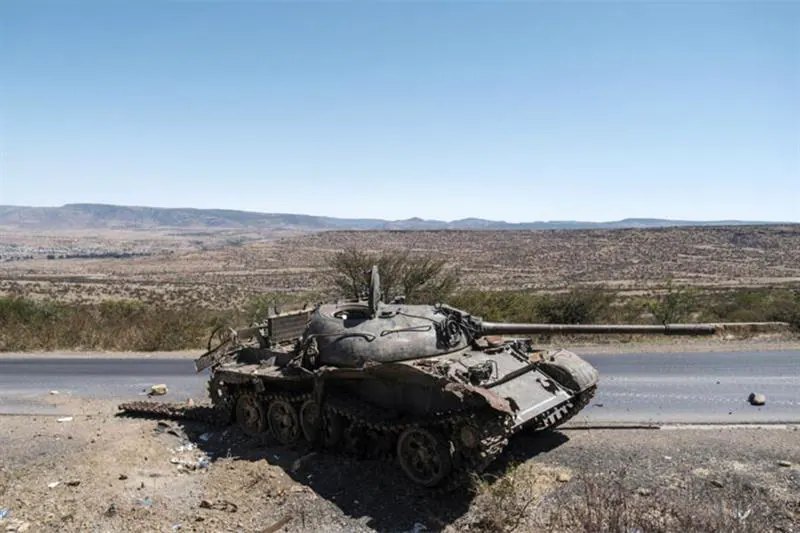
The escalation of the conflict comes as Tigrayan forces have seized three airports and launched attacks in the neighbouring Afar and Amhara regions. Seven armed groups, including the Tigray People's Liberation Front (TPLF), have formed an alliance seeking to remove Prime Minister Abiy Ahmed's government. This development has raised concerns about the stability of the region and the potential impact on Ethiopia's economy.
Ethiopia's economy remains highly vulnerable to trade and investment disruptions, with the country's cash reserves covering barely two months of imports. The reserves, which stand at around $6 billion, have improved following exchange-rate reforms but remain limited relative to the country's import needs. Gold has become an increasingly important source of foreign currency for Ethiopia, generating more than $5.5 billion in annual revenues.
The conflict also threatens over $13 billion in investments announced by Ethiopia this year across mining, energy, industry, and agriculture. Prolonged instability could delay projects, discourage investors, and raise operating costs in affected areas. The risks come despite strong economic growth, with the government expecting the economy to expand by 10.1 percent in the 2026/27 fiscal year.
The renewed fighting could add another layer of pressure on Ethiopia's economy, which has already absorbed economic shocks from the wider war involving Iran. The government expects a budget deficit of 1.4 percent of GDP next year, compared with a forecast 2.2 percent deficit for the current fiscal year. The Iran war has added pressure through higher energy and transport costs, while disruptions to shipping and regional trade have exposed Ethiopia further to external shocks.
The latest escalation also threatens Ethiopia's main trade artery, with Tigrayan forces seizing three towns in the neighbouring Afar region. Afar is strategically important because it lies along the main transport corridor linking Ethiopia's central highlands with Djibouti, the country's principal maritime gateway. Analysts say that the Tigrayan offensive in Afar could be aimed at disrupting supplies from Djibouti, which handles the overwhelming majority of Ethiopia's international trade cargo.
The economic consequences of the conflict could complicate Ethiopia's efforts to restructure its external debt, with the government negotiating the restructuring of its $1 billion international bond. Some bondholders have rejected previous proposals and are considering legal action. Economic researcher Abraham Kitima has warned that continued fighting would threaten the country's economic gains and force the government and its opponents to devote resources to military objectives rather than economic activity.
Key points
- The renewed Tigray conflict poses a significant threat to Ethiopia's economic recovery and stability.
- The conflict threatens over $13 billion in investments announced by Ethiopia this year.
- Ethiopia's economy remains highly vulnerable to trade and investment disruptions.